
11:05, 10-May-2019
European Elections: Challenges ahead of parliamentary vote
Updated
11:00, 13-May-2019
 []
[]
Share







Copied
03:54
Citizens of the European Union will go to the polls this month to vote for their next parliament. Some have referred to these elections as "dull". But with the issues of Brexit, immigration and the rise of right-wing parties, this year's vote could be the bloc's most important one in 40 years. Natalie Carney has more from Berlin.
Never have the stakes been greater.
Since the last parliamentary election in 2014, Europe has been facing some of its most difficult challenges ever; one of them being the rise of anti-establishment, right wing, EU skeptic parties, such as Germany's Alternative for Deutschland or AFD.
Bernhard Zimniok is running for the party in Germany's most conservative state of Bavaria and says changes to the system must come from within the EU.
BERNHARD ZIMNIOK AFD EUROPEAN PARLIAMENT CANDIDATE "We want to get the legislative powers from Brussels and give them back to the national states. We want to end these incredible migration politics, which have caused us many problems. We also have a few other areas to work on, like economic policies. We want changes, but we don't want to destroy Europe."
The AFD is currently a member of the European Parliament's Europe of Freedom and Direct Democracy group along with other nationalist parties including Britain's Brexit party.
But the AFD and Italy's La League party have been working to get all right-wing populist groups together under one party banner - the European Alliance for People and Nations.
The Finns Party and the Danish People's Party have agreed to the alliance while France's National Rally, Austria's ruling Freedom Party and Spain's VOX parties have previously stated their intention to join a League-lead party platform.
This will allow them to challenge the power of centrist parties in Europe's top legislative body says Zimniok.
BERNHARD ZIMNIOK AFD EUROPEAN PARLIAMENT CANDIDATE "We are critical toward the EU as an institution, which was created in undemocratic ways. There has never been an election in Germany if we want to take part in this, if we want to give up on our sovereignty. You have to be represented in all political decision-making levels to change something, just criticizing it from the outside won't bring any change."
Yet, some analysts say not many people are particularly interested in European parliamentary elections.
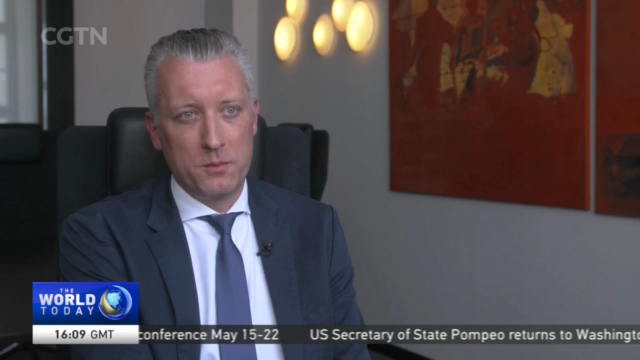
DR. PETER MATUSCHEK HEAD OF POLITICAL AND SOCIAL RESEARCH, FORSA "The turn out will be probably as low as it was five years ago with about 50% only participating. The problem for the electorate, particularly in Germany, is that many don't really know very much about this. We have a high interest in European politics and developments abroad in other countries, but we have quite low interest in the European elections."
But voter apathy could be the very thing that turn the tides for the right-wing groups.
NATALIE CARNEY BERLIN "According to polls, Germans are traditionally not that interested in the European parliamentary elections, but that could bode well for the AFD. Their ability to clench MEP seats depends less so on the number of votes they get from their supports and more on the lack of vote from their opponents."
DR. PETER MATUSCHEK HEAD OF POLITICAL AND SOCIAL RESEARCH, FORSA "The advantage for the right wing parties as for any smaller party as well is that there is no threshold in Germany in this election, so if you get any votes, depending on the seats you will make it into parliament."
As right-wing populists now hold seats in seven national governments of EU member states, unlike in 2014, polls indicate that far right and populist parties could end up with as much as a third of MEP seats this year.
DR. PETER MATUSCHEK HEAD OF POLITICAL AND SOCIAL RESEARCH, FORSA "As we've always had a proportionate of the electorate with right-wing radical views. So now they have a party they can put their vote and now they have a representation in parliament they did not have before."
However, analysts say with the rise of the right in European parliament it will make it more difficult to form a majority and likely lead to stalled progress for at least the next five years. Natalie Carney, CGTN, Berlin, Germany.