
14:51, 09-Mar-2019
Chinese Private Sector: Private businesses strive for high-quality growth
Updated
14:50, 12-Mar-2019
 []
[]
Share







Copied
03:12
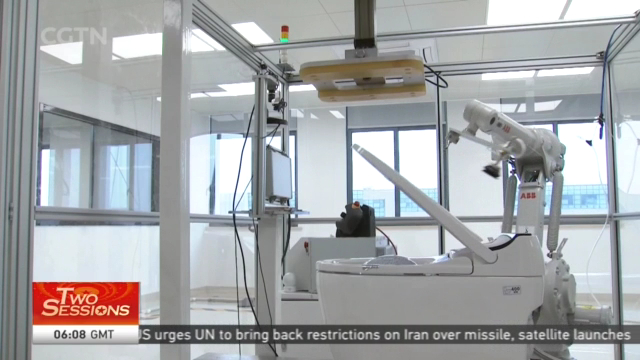
High quality development applies to more Chinese products than you might think. One of the more unique examples takes us to Taizhou City in East China's Zhejiang Province. CGTN's Wu Lei introduces us to a company that specializes in smart toilets.
As China's largest smart toilet manufacturing base, Taizhou is home to over 30 large sanitation-ware private producers. Founded in 1998, Bianjiebao was one of the pioneers of the industry. But according to its deputy director Guo Lei, 16 of Bianjiebao's 21 years in business saw profit losses. He said private manufacturers used to compete in a price war, but things are changing.
GUO LEI, DEPUTY DIRECTOR OF PRODUCTION OPERATIONS ZHEJIANG XINGXING BIANJIEBAO CO., LTD. "Now most private businesses are in a transition period. We will not rely on low prices to sell our products, but focus on improving the quality with innovation and core technology. Prices may be higher, but the service will be much better."
After upgrading their production line and design, the company has made profit every year since 2015, and become one of China's top sellers.
WU LEI TAIZHOU CITY, ZHEJIANG PROVINCE "One push can now create a joyful experience following your private business. These days toilets are not just for that call of nature, they have become a symbolic combination of decoration, function and personalization for the growing number of middle class families."
In order to boost this burgeoning industry, a brand new national quality supervision and testing center for smart toilets is now open in the city. Local authorities have just issued a grand testing report to help these private businesses improve their quality control.
CUI LIJIN, DEPUTY DIRECTOR ZHEJIANG PROTECTION COMMISSION OF CONSUMERS' RIGHTS AND INTERESTS "The national standard should be a bottom line for companies, in terms of manufacturing, we need to look up to global standards like that of the EU and some other advanced countries."
With Chinese customers' growing need for quality goods and services, private companies realize high quality products are becoming the new norm. Proper branding and industry standards are key for their sustainable growth. NPC deputy Li Shufu, also the chairman of China's largest private car maker, echoes that.
LI SHUFU CHAIRMAN OF GEELY HOLDING GROUP "The central government has proposed high quality development, which leads us ahead. In the past we didn't know what high quality development was. We only knew price wars were not sustainable, but now we need to compete in terms of technology, brand, quality, service and social responsibility.
The private sector contributes more than 60 percent of China's GDP growth and provides over 80 percent of its jobs. Following tax cuts and fee reduction measures, China's private sector is expected to play a larger role in the nation's pursuit of high-end manufacturing. WU LEI, TAIZHOU CITY, ZHEJIANG PROVINCE.