
13:57, 07-Apr-2019
Rwanda Genocide Anniversary: Survivors and perpetrators seek reconciliation
Updated
13:50, 10-Apr-2019
 []
[]
Share







Copied
03:42
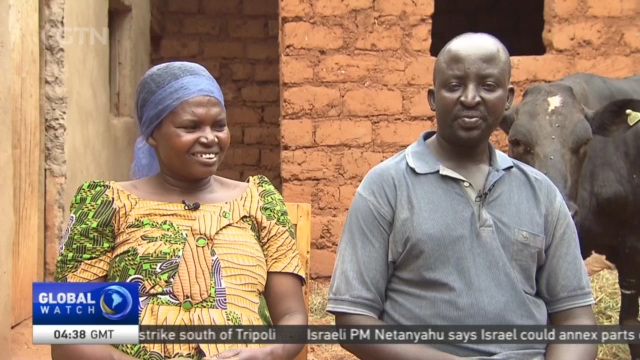
Today marks the 25th anniversary of the genocide against the Tutsi people of Rwanda. Over a million people were killed in 100 days of slaughter in 1994. As survivors and perpetrators seek reconciliation, one man has found peace through marrying the daughter of the man who killed his family. CGTN's Wilkister Nyabwa has the story.
They don't need words to communicate. One shared look speaks volumes. This is a relationship built on forgiveness and reconciliation, an unlikely love story in the face of great tragedy.
It has been 25 years since over a million Tutsis were killed in the Rwandan genocide of 1994. And it has been 11 years since John Giraneza and Mailejanne Uwimana got married. Giraneza's family members were killed by Mailejanne's father during the genocide. Mailejanne and Giraneza were neighbours, living side by side, until Hutus began to kill Tutsis.
JOHN GIRANEZA "My father had 10 wives and 37 children. All 10 wives and 27 children died. I survived but I'm crippled."
Mailejanne's father fled, never to be seen again. For years after the killings, Giraneza harboured anger and bitterness over his loss. Then he met Mailejanne again and fell in love with her. He wanted to marry her.
JOHN GIRANEZA "I prayed for a wife to come and help me because I was crippled. But the woman I found was the one whose father had killed my family. I approached her but didn't know whether she would accept me."
She did. But relatives on both sides were against the union. So they eloped.
MAILEJANNE UWIMANA "When we got married, everyone was angry at us. Both our families wouldn't speak to us. But they'd come to check if I was alive, if I was fine."
It wasn't until Giraneza paid a debt owed by Mailejanne's mother that the ice broke. And the two families finally came together, reconciled by the couple's love for each other. Today they visit each other freely and their children play together.
Theirs is one of thousands of stories of forgiveness and reconciliation in Rwanda. Through the gacaca courts, perpetrators have been punished. Many have returned to face their victims.
And survivors of the genocide have formed bonds from a shared past, working to help each other move forward.
But what happened here is never forgotten, And in the capital, a memorial stands to remind visitors of the dark past.
HONOREE GATERA DIRECTOR, KIGALI GENOCIDE MEMORIAL "It's a global issue that needs humanity to be aware of the causes, be aware of what could trigger a genocide or mass atrocities and that's the reason why I believe that the centre will always have the focus on giving dignity to the victims but also educating the world."
WILKISTER NYABWA KIGALI, RWANDA "And every year on the 7th of April Rwanda remembers its past and the forgiveness that enabled many to start afresh. Many, like the Girunezas, find that forgiveness has given them a second chance at life and love. Wilkister Nyabwa, CGTN, Kigali, Rwanda."