
19:18, 16-Jan-2019
Cultural Cross-Pollination: French and Chinese styles mingle in mash-up museum show
Updated
18:39, 18-Jan-2019
 []
[]
Share







Copied
03:06
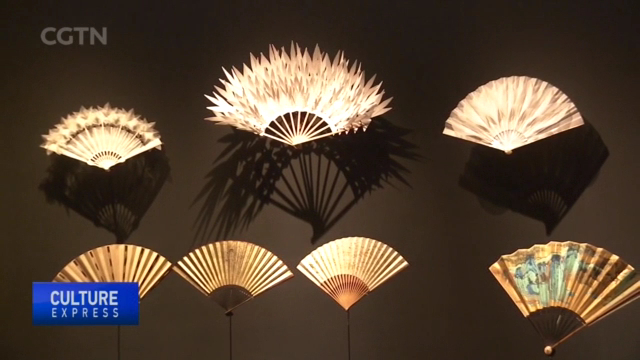
Both China and France are known for their long and distinct cultural traditions, and arts and craft. However, what happens when the two intermingle with each other? The National Museum of China has brought artisans from both countries together in the museum's first cross-cultural exhibition of the year. CGTN's Li Qiong reports.
Finding an echo from one piece to another. From the same material to similar functions. This exhibition at China's National Museum collects more than 180 pieces of handmade art from both Chinese and French craftspeople.
ZHU XIAOYUN CURATOR "We could see a small part of artistic communication is based on similar materials, like folding fans, umbrellas, glass and porcelain. The rest of the exhibits displayed together have subtler connections, different expressions towards similar ideas. The visitors might need to find those out for themselves."
The curator also said that this time, the artists who made the items also helped designed the exhibition hall. For them, how the works is presented to the visitors is also important.
LI QIONG BEIJING "The craftsmen who make these art pieces on display are considered masters of their genre. Many of their skills were passed down from several generations though they also apply aesthetics of our modern times, like this one."
The results look modern, but the techniques on display here could date as far back as the 13th century. Nature is usually the most notable inspiration behind the works. Whether its these feather and cowhide sculptures, or these examples of straw marquetry and wooden furniture.
Over the years, artistic ideas have flowed between nearly all corners of the world. Making the effort to stop and learn what one can from other cultures, can have powerful results.
LIN XIA CHINESE ARTIST OF TAIZHOU EMBROIDERY "The difference between Taizhou embroidery and other Chinese embroidery is that we do subtraction on the cloth instead of addition. So you can see the hollows on my work. This technique was imported from France when French people established a church in Taizhou at the end of the Qing dynasty more than a century ago."
Cross-pollination. Give, and take. Sometimes it can difficult to discern whether the artist behind a given piece is Chinese or not.
LAURENT NOGUES FRENCH HOT-STAMPING ARTIST "You can find some traces of traditional Chinese techniques in my works, like Chinese ink painting. This is a good way to develop the ancient French technique of hot-stamping. Innovation in art relies on new techniques."
The 'WonderLab Exhibition' runs through March 17th at the National Museum of China. LQ, CGTN, BJ.