
Business
22:03, 06-Apr-2018
Thousands of years old tea business embraces industrialization
 ["china"]
Share







Copied
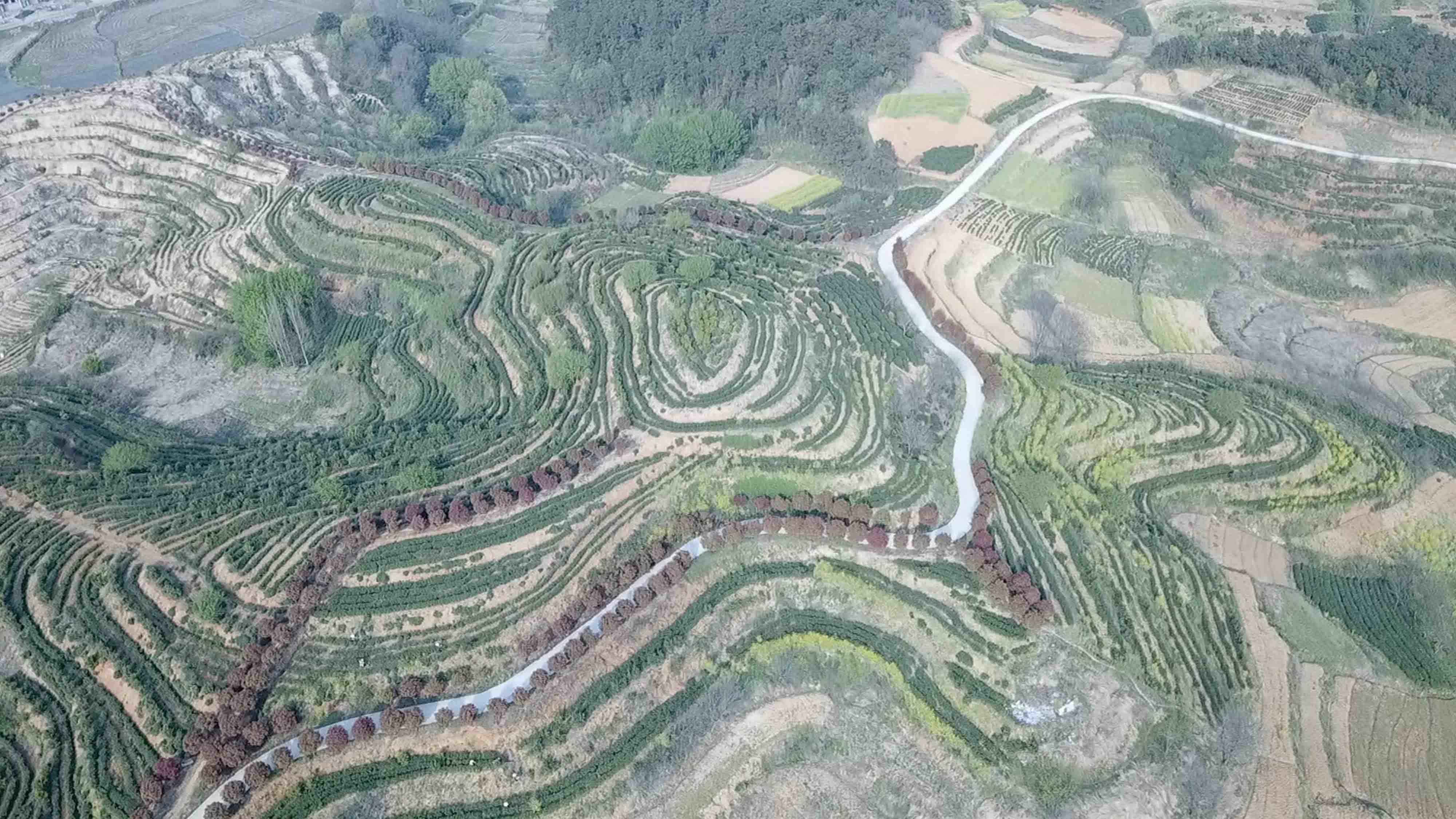
Tea culture in China may date back to thousands of years, and tea-drinking has become part of life for many in the country. For a long time, Chinese farmers have been relying on growing tea on a small scale, which has limited both the efficiency and size of tea business.
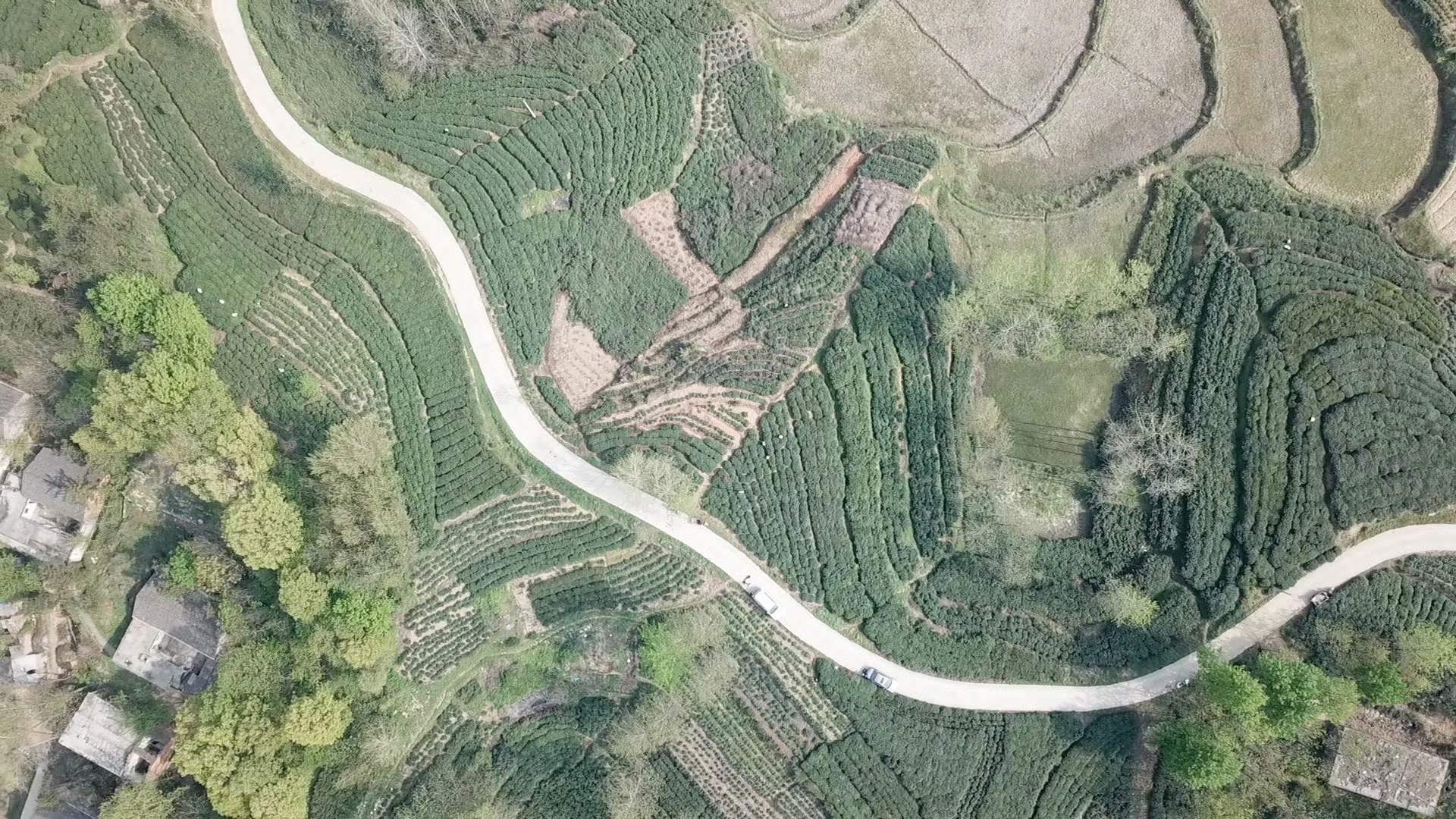
Aerial view of tea farms in Xinyang city /CGTN Photo
Aerial view of tea farms in Xinyang city /CGTN Photo
With increasing application of modern agricultural technology and industrialized equipment in tea processing, industrialization of tea production has become a growing trend.
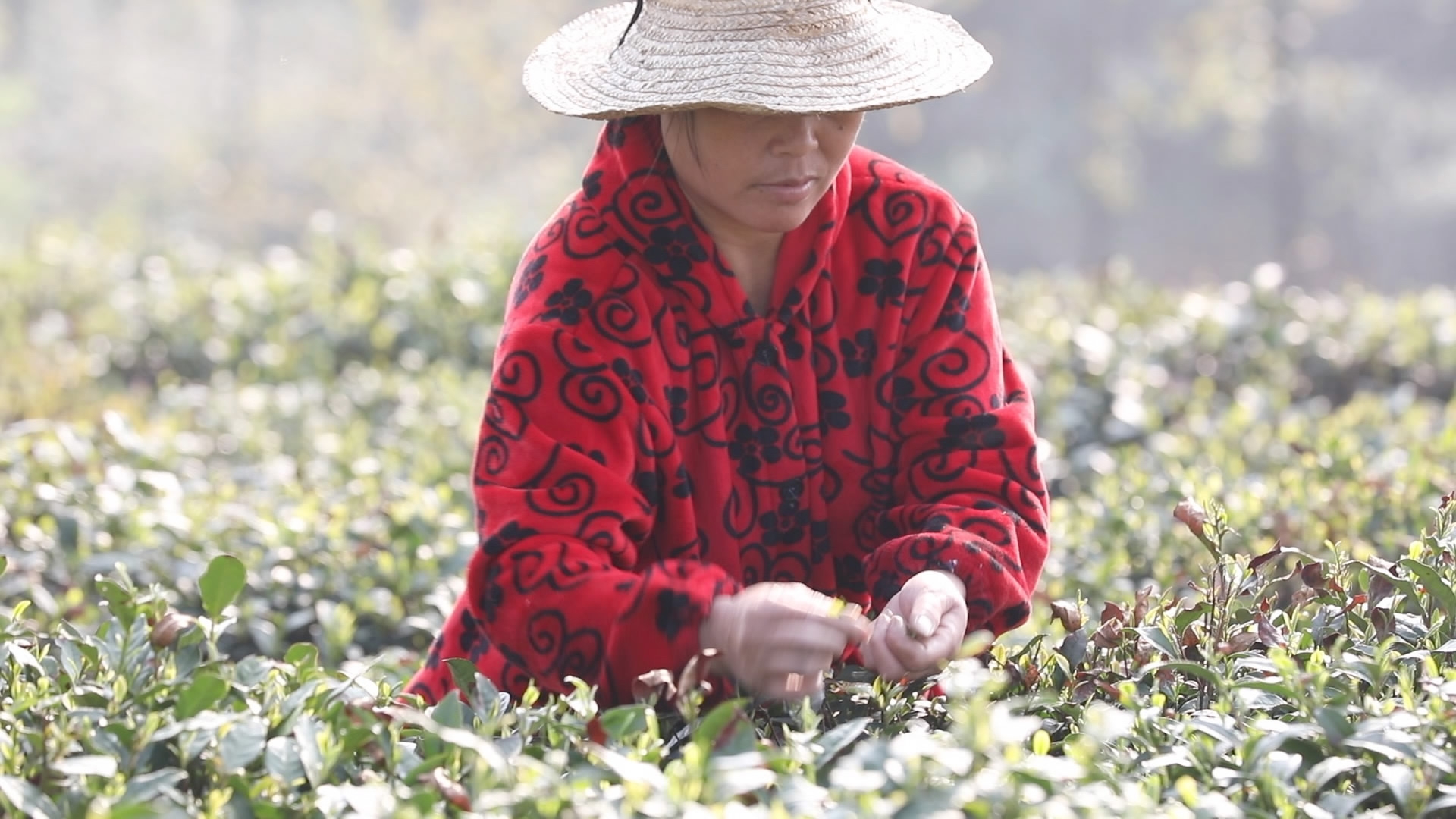
Farmers pick fresh tea leaves every morning. April is the busiest time of the year for tea harvesting. /CGTN Photo
Farmers pick fresh tea leaves every morning. April is the busiest time of the year for tea harvesting. /CGTN Photo
There is a vast land of tea farms with most families owning less than one hectare, where scattered plantation hinders the application of modern agricultural technology. The central government has put in place the “farmland transfer system” which allows farmers to pool their land resources for industrialized operation.
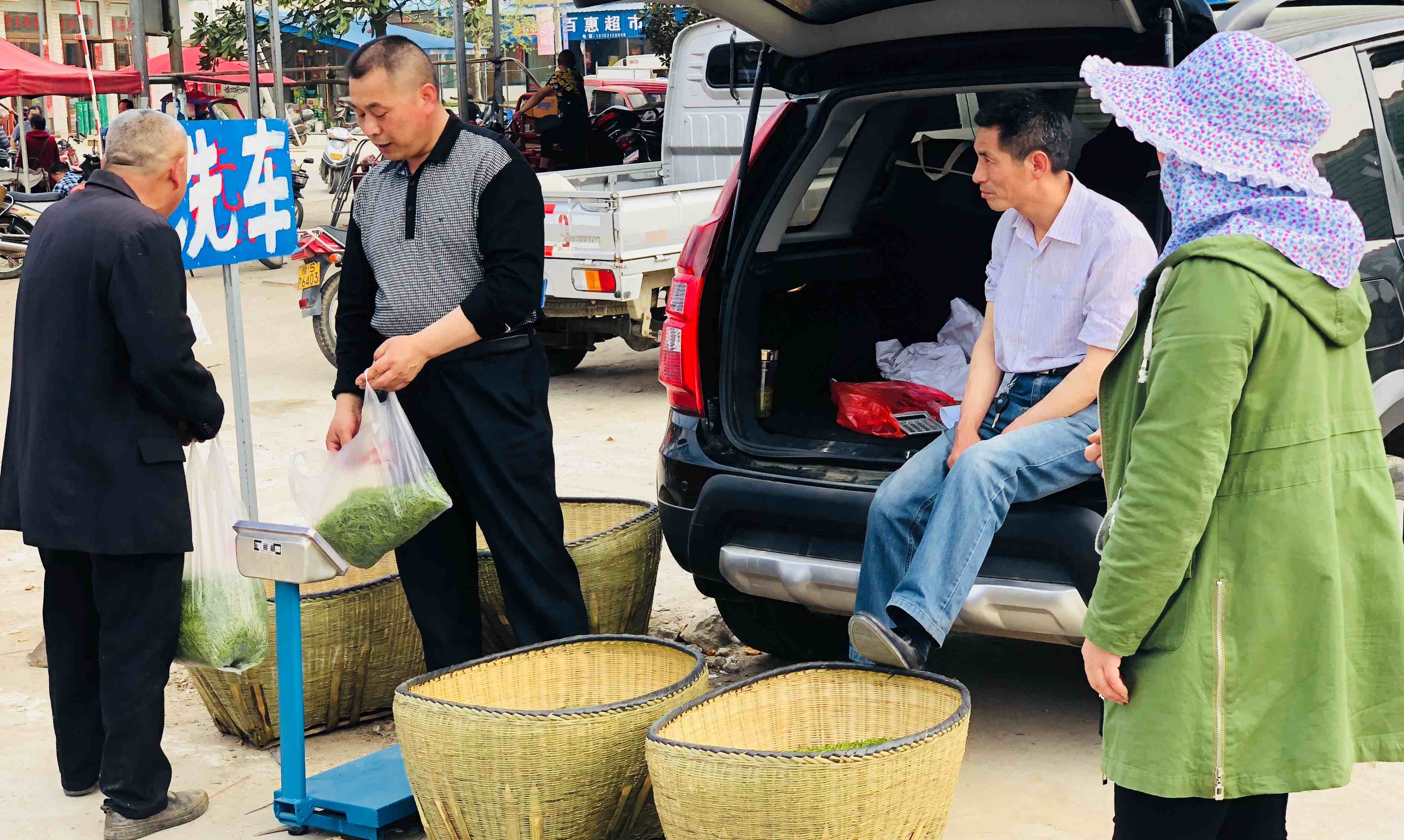
Tea farmers sell fresh tea leaves to dealers instead of making dry tea, but a significant profit comes from selling dry tea. /CGTN Photo
Tea farmers sell fresh tea leaves to dealers instead of making dry tea, but a significant profit comes from selling dry tea. /CGTN Photo
Tea-making is a tradition with thousands of years of history in Xinyang, a city in central China's Henan Province, but with increasing industrialization, tea farmers no longer make dry tea because large industrialized companies can make tea at a much lower cost. Except for a few tea-making masters, tea farmers only engage in the lowest end of the value chain – picking of fresh tea leaves.
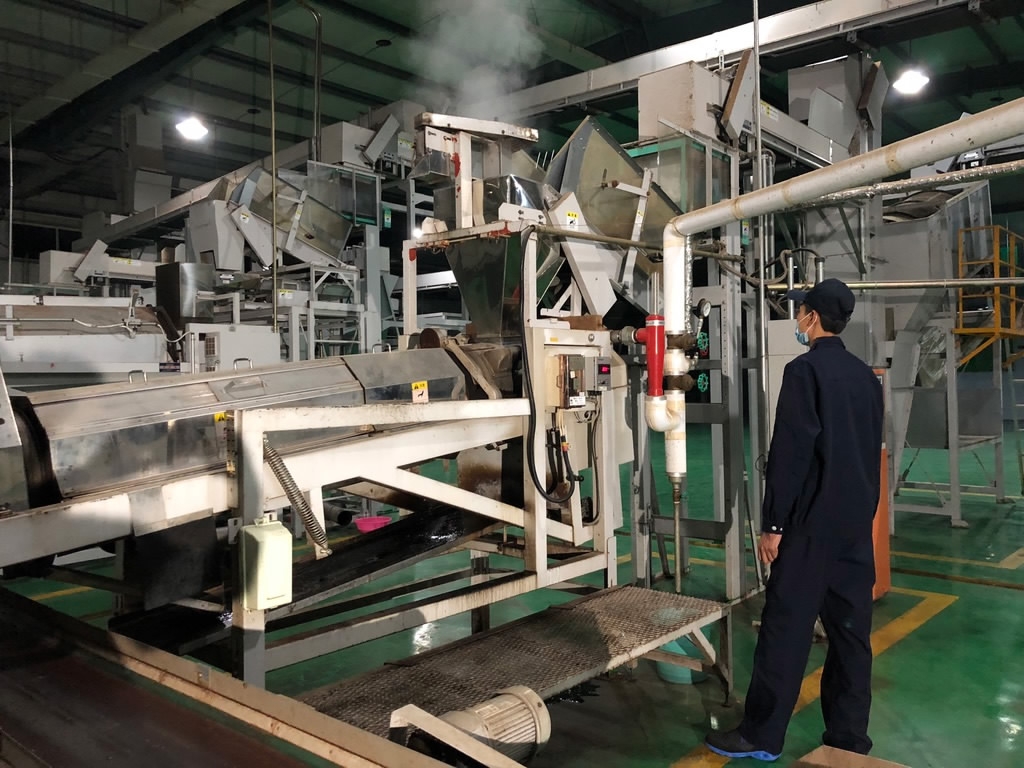
The mass-scale production of tea /CGTN Photo
The mass-scale production of tea /CGTN Photo
The government has introduced various favorable policies to encourage industrialization, including financial subsidies, low-interest loans, and grants to upgrade equipment.
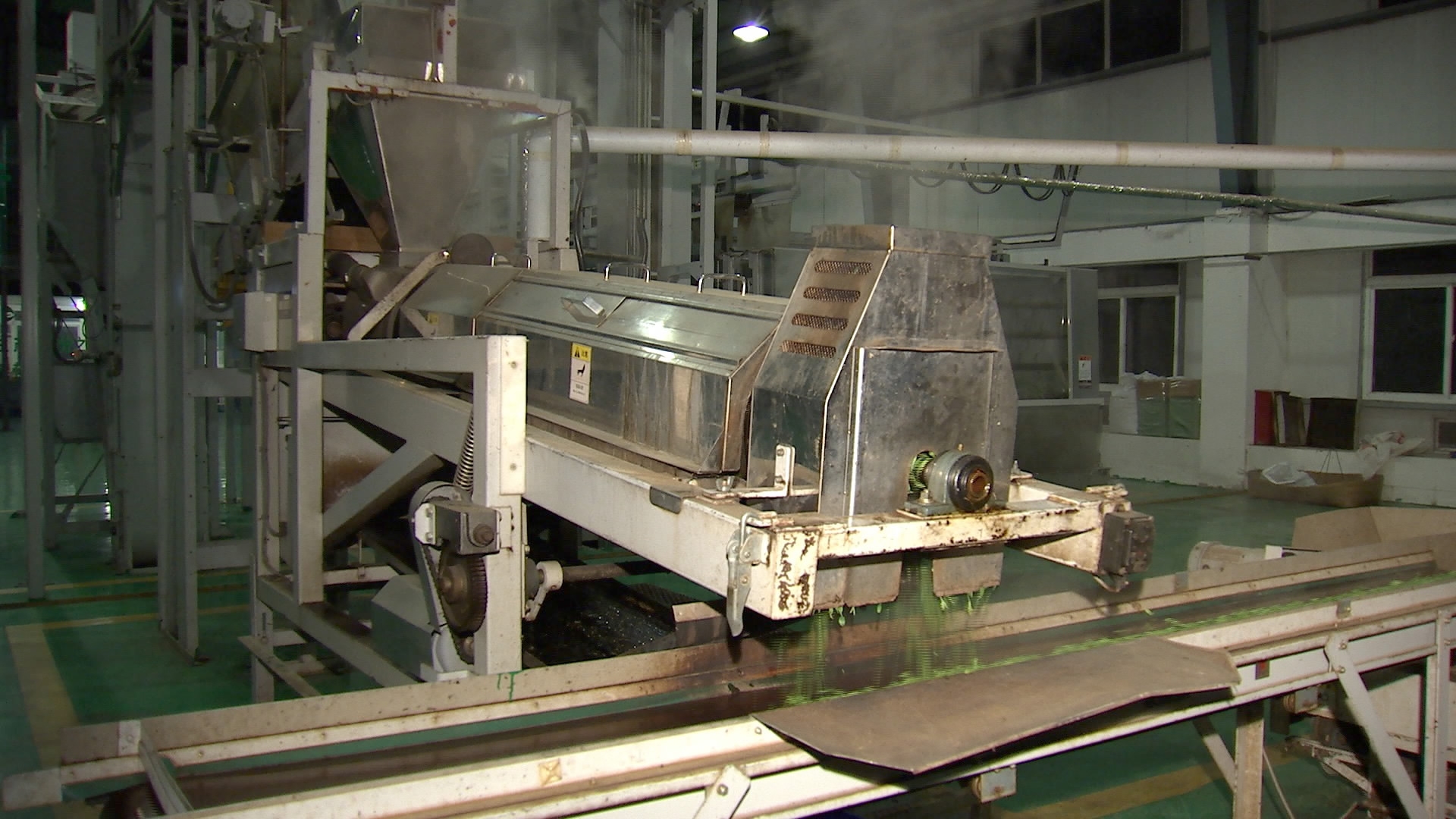
The mass-scale production of tea /CGTN Photo
The mass-scale production of tea /CGTN Photo
For tea farmers, industrialization of tea production is viewed as a good thing. They can get rent for transferring their farmland, and pick fresh tea leaves and get paid by the company. The company can operate at higher efficiency and productivity.
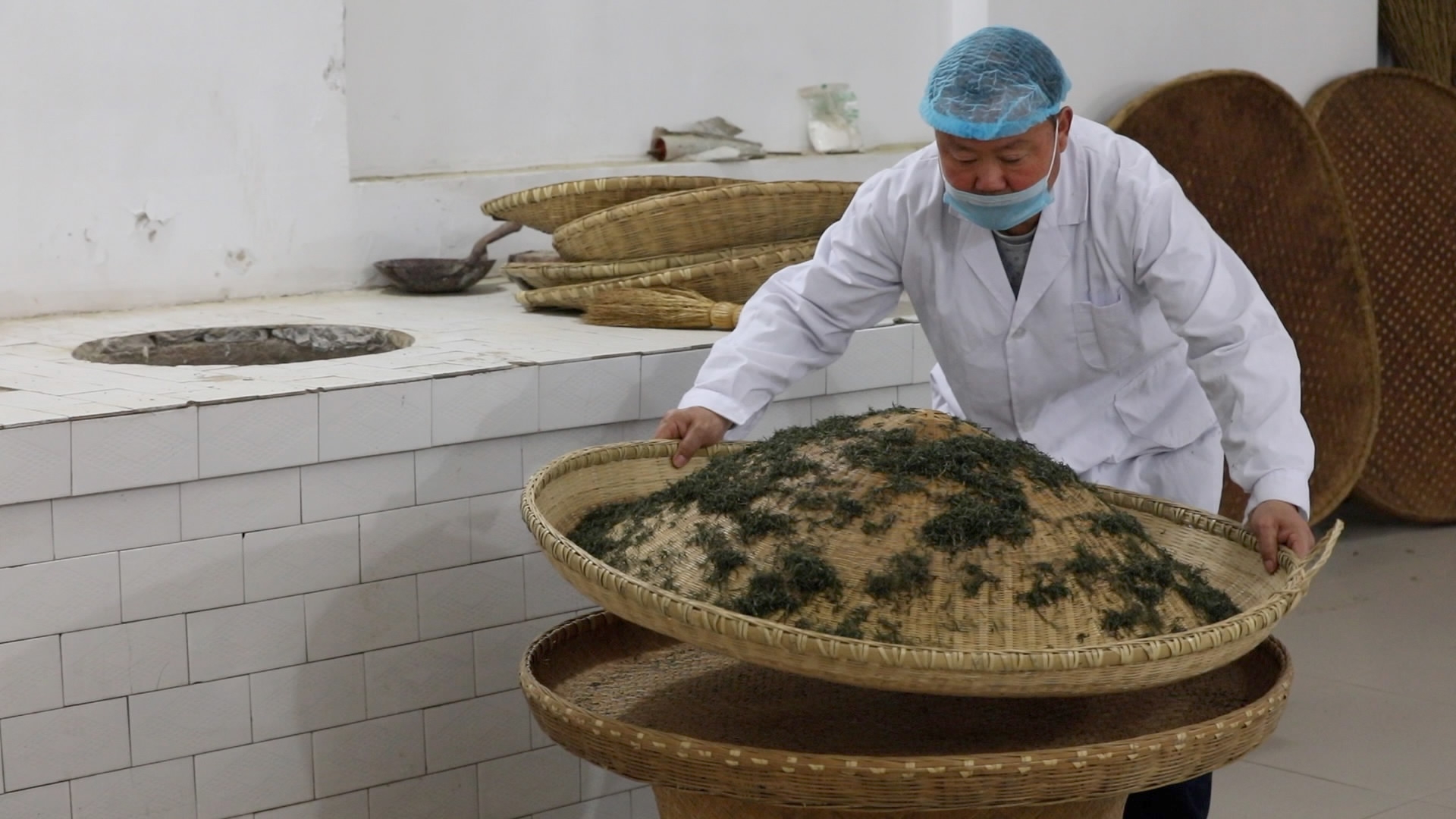
Traditional tea-making process /CGTN Photo
Traditional tea-making process /CGTN Photo
The only thing that people might miss is the memory of thousands of years old tradition of tea-making. That is perhaps the price people have to pay for a more modern and better life.