
Tech & Sci
14:52, 26-Jul-2017
US farmers look to the future of robotics to fill labor shortage
 []
[]
Share







Copied
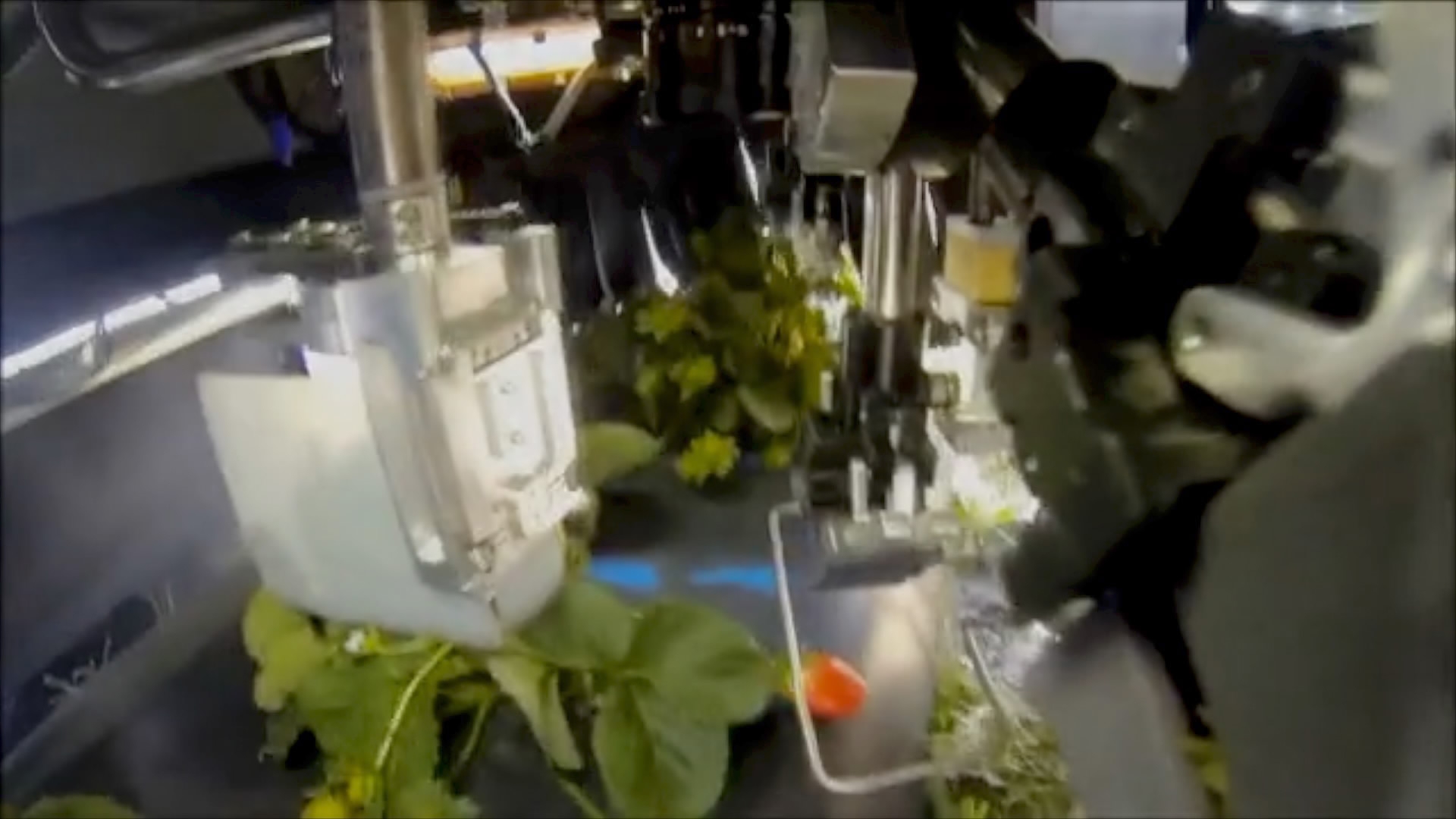
The US agricultural industry is facing a severe labor shortage and some farmers are turning to technology for help filling the void.
A 2015 study shows a shortfall in field workers is costing the US economy more than three billion dollars year.
Stacking strawberries for shipment throughout North America, Gary Wishnatzki, an US farm owner, grows and markets a variety of crops in Florida. But he said he’s struggling to find workers to pick the fruit, “The availability of labor has been in decline across agriculture. And it's not just strawberries."
Wishnatzki blames the US recession for a reported net reduction in the number of Mexican immigrants – a key source of farm labor.
Mexican government statistics show emigration to the US remains stable, but well below pre-recession levels. And official US figures for May show an eight percent decline in farm worker hiring from the year before.
Wishnatzki said he’s been forced to rely on a seasonal worker visa program just expanded by the Trump administration. But he complained that it is expensive and bureaucratic. So he's turning to technology to make up the shortfall.
Wishnatzki's company is helping develop a robot he hopes will be able to harvest fruit with the precision of a human worker. "This is the last frontier in mechanization at the farm,” he said.
While wheat or soy crops are harvested just once a season, strawberry plants are picked multiple times. That means this machine must use its powerful processors to first identify the ripe fruit, and then retrieve it without damaging the fragile plant.
"It's possible to do things that weren't even dreamed of five years ago,” he said. Wishnatzki hopes his robot will help him compete on cost amid a rise in farm wages. But it could be some time before these workers are replaced by machines. Wishnatzki expects it'll take about three years before the technology is ready for widespread use.