
Politics
18:58, 04-Mar-2018
Reporter’s diary: Trade wars and stolen pencils
 ["china"]
Share







Copied
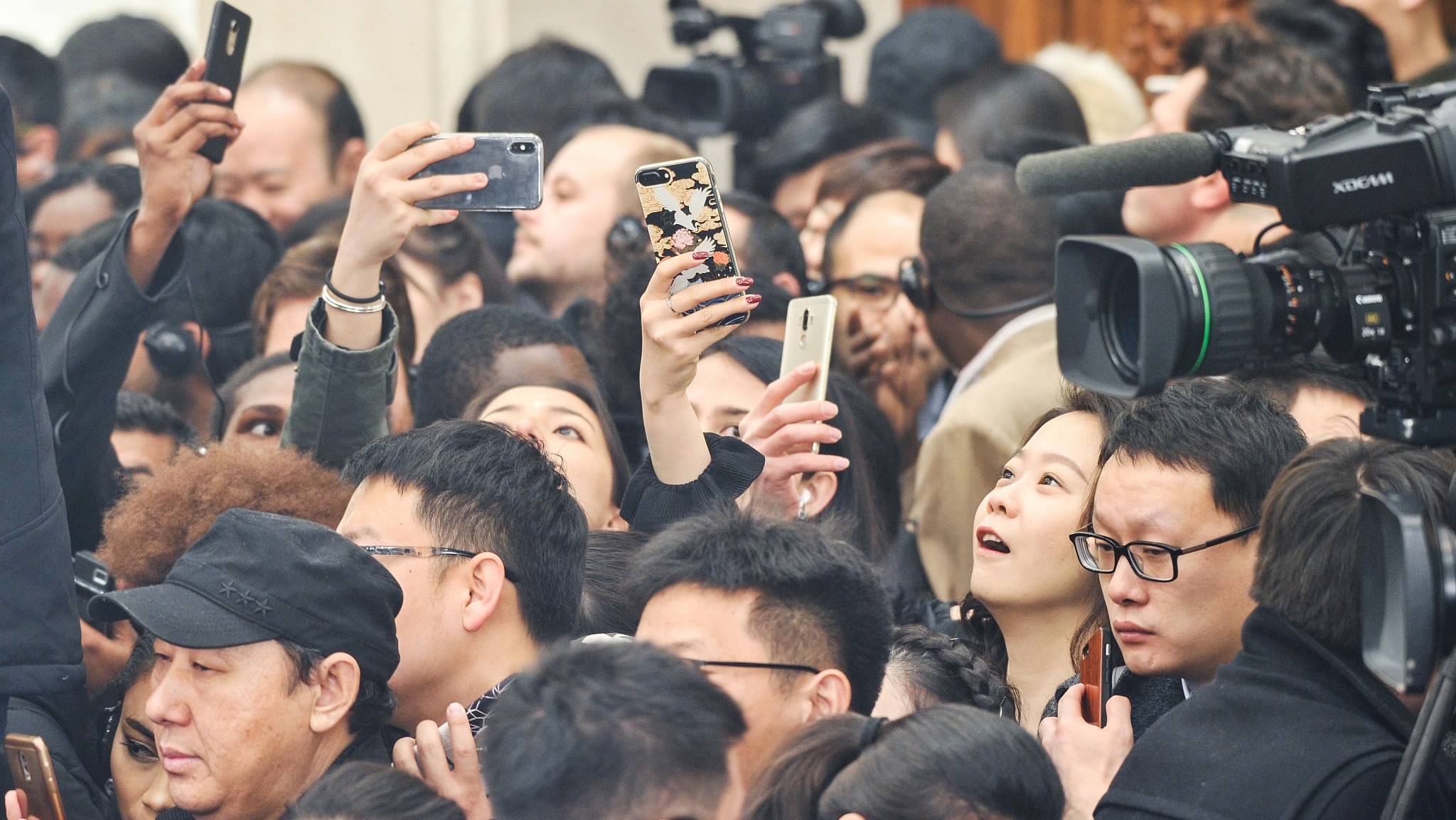
It was standing, leaning, and crouching room only for most reporters in the Great Hall of the People on Sunday as Zhang Yesui, spokesman for the first session of the 13th National People’s Congress (NPC), warned Beijing “will not sit idle” if the US implements policies harmful to China.
Zhang briefly laid out what lies ahead in the NPC session-10 items on agenda; eight plenary meetings; 14 press conferences; fifteen-and-a-half days, starting on Monday – before easing back in his chair and opening the floor to reporters crammed wall-to-wall.
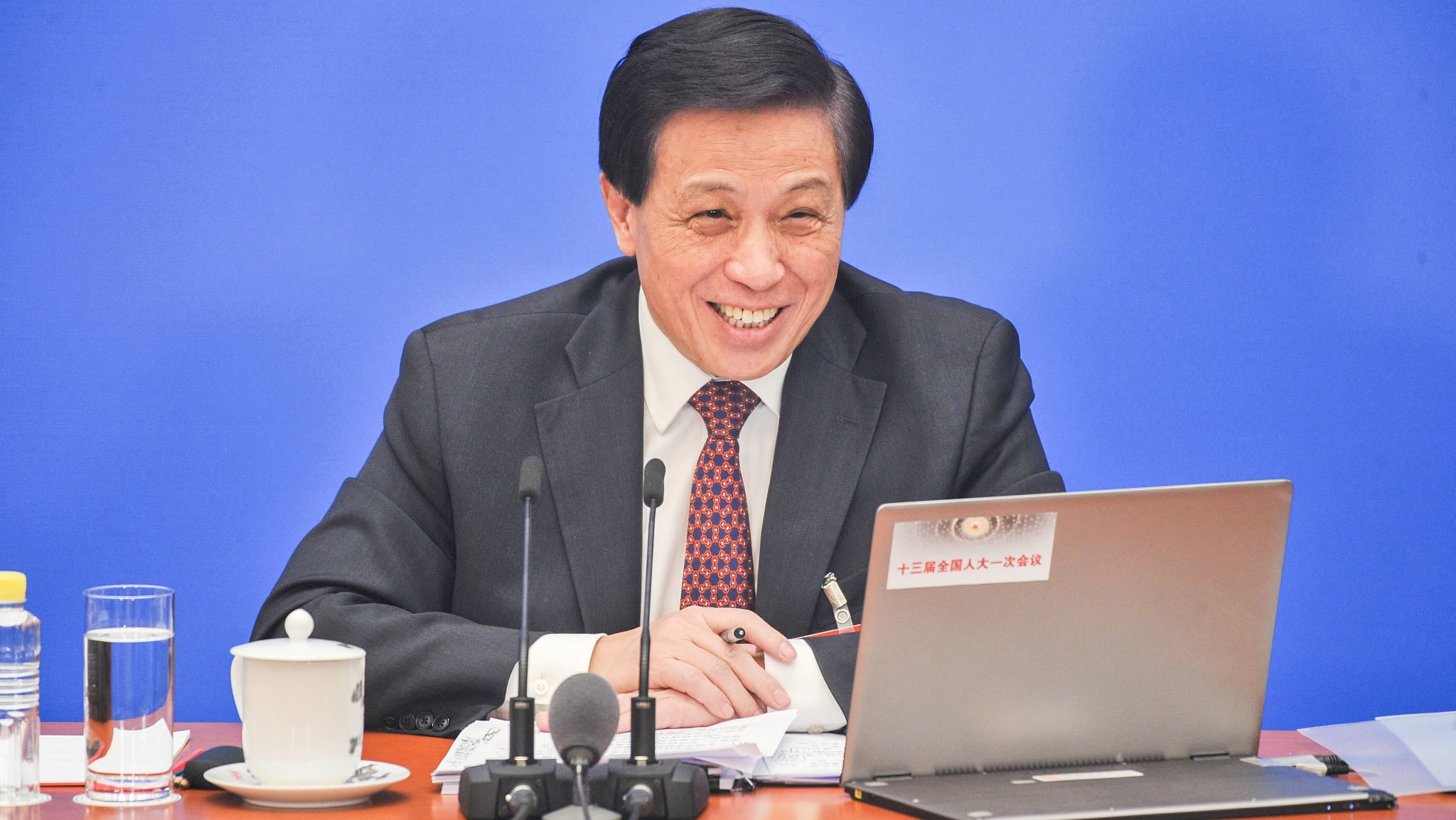
Zhang Yesui, spokesman for the first session of the 13th National People's Congress, at a press briefing in the Great Hall of the People, Beijing on March 4, 2018. /VCG Photo
Zhang Yesui, spokesman for the first session of the 13th National People's Congress, at a press briefing in the Great Hall of the People, Beijing on March 4, 2018. /VCG Photo
China’s former ambassador to Washington, taking questions from domestic outlets as well as international organizations, including CNN and Reuters, addressed topics from the US threat to impose trade tariffs to China’s defense budget.
Zhang's top five answers
Could there be a trade war with the US? China and the US have more common interests than differences, but it is “natural there are some frictions.” Opening up markets is the best route to progress, but “policies based on misjudgment or wrong assumptions will bring consequences neither side wants to see.” China does not want a trade war, “but if the US takes actions to hurt China’s interests, China will not sit idle and will take necessary measures.”
Why change the Constitution? The current Constitution has proved to be a good law, but must adapt to changing situations and draw on new experiences. Amendments must follow due process, and be based on broad consensus. There are no term limits in the Party's or the country's Constitutions for the role of chairman of the Central Military Commission, and no term limit in the Party's Constitution for the general secretary of the CPC Central Committee.
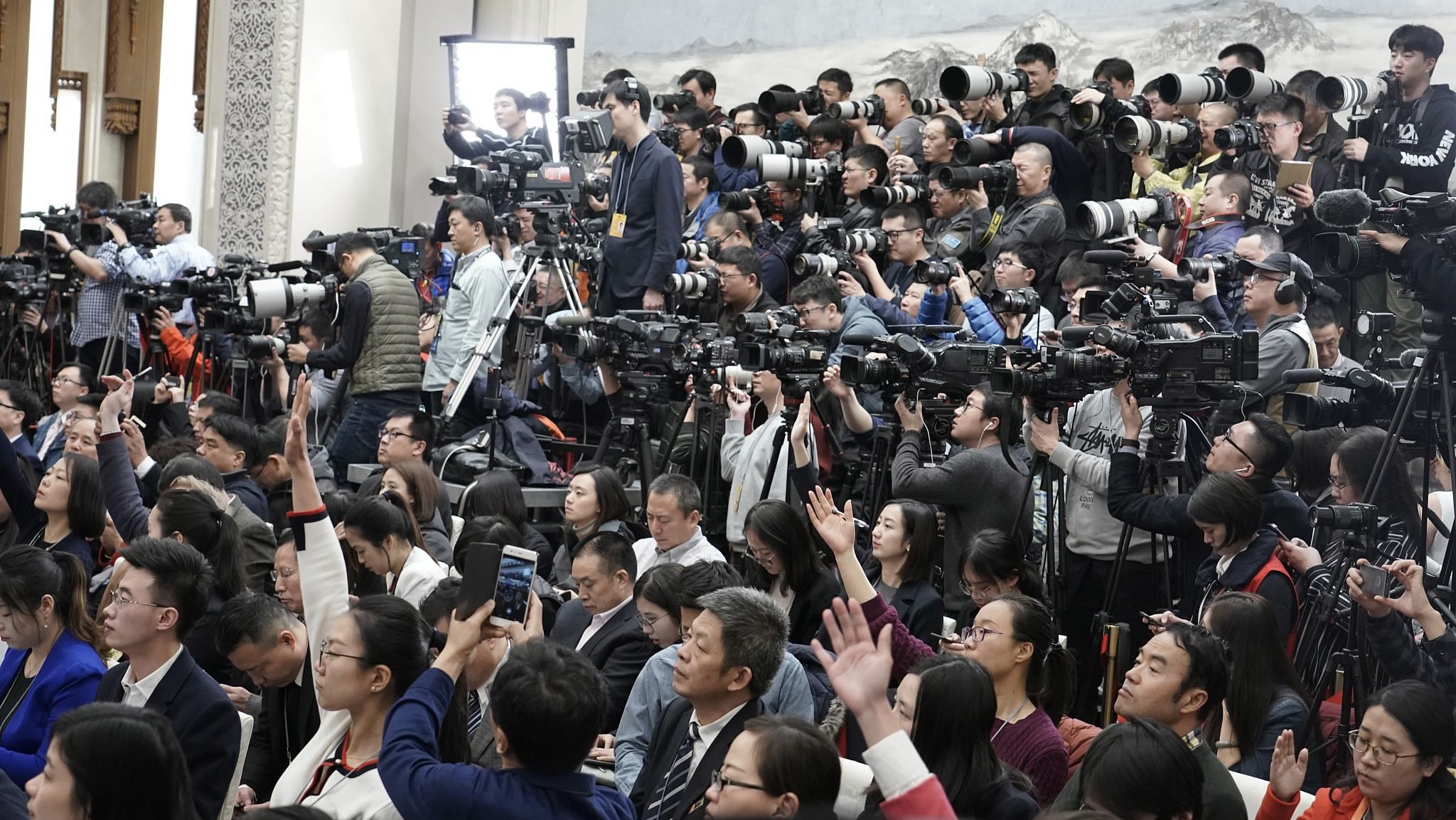
Reporters at a press briefing ahead of the first session of the 13th National People's Congress, in the Great Hall of the People, Beijing on March 4, 2018. /VCG Photo
Reporters at a press briefing ahead of the first session of the 13th National People's Congress, in the Great Hall of the People, Beijing on March 4, 2018. /VCG Photo
Why is China spending more on defense? China has made modest increases in defense spending in recent years, largely to make up for shortfalls. But the level as a proportion of GDP and per capita is lower than major countries. The spending is targeted at updating the armed forces and improving conditions for military personnel. China’s defense policy is defensive, it does not pose a threat to other countries.
Is BRI a ‘geo-strategic tool?’ This is a “misinterpretation” of the Belt and Road Initiative (BRI). The initiative is a proposal for economic prosperity, to pool strengths for shared prosperity for all countries. Consultation is key, all participants are equal, and the BRI is open to all who want to be a part of it. The vision is becoming a reality, but it is still in the early stages – it is natural that there are challenges. China is happy to share, it will not impose anything on others.
Next steps on the Korean Peninsula? The situation on the Korean Peninsula is “easing.” The US and the DPRK are the major players, and China hopes the two countries will begin dialogue soon. China’s position is “consistent and clear-cut” – denuclearization, peace and stability, dialogue.
Zhang, at ease and quick to smile – particularly in response to questions from overseas reporters – answered succinctly and clearly. There was no grandstanding or bombast, instead calmly laying foundations for a long NPC session ahead.
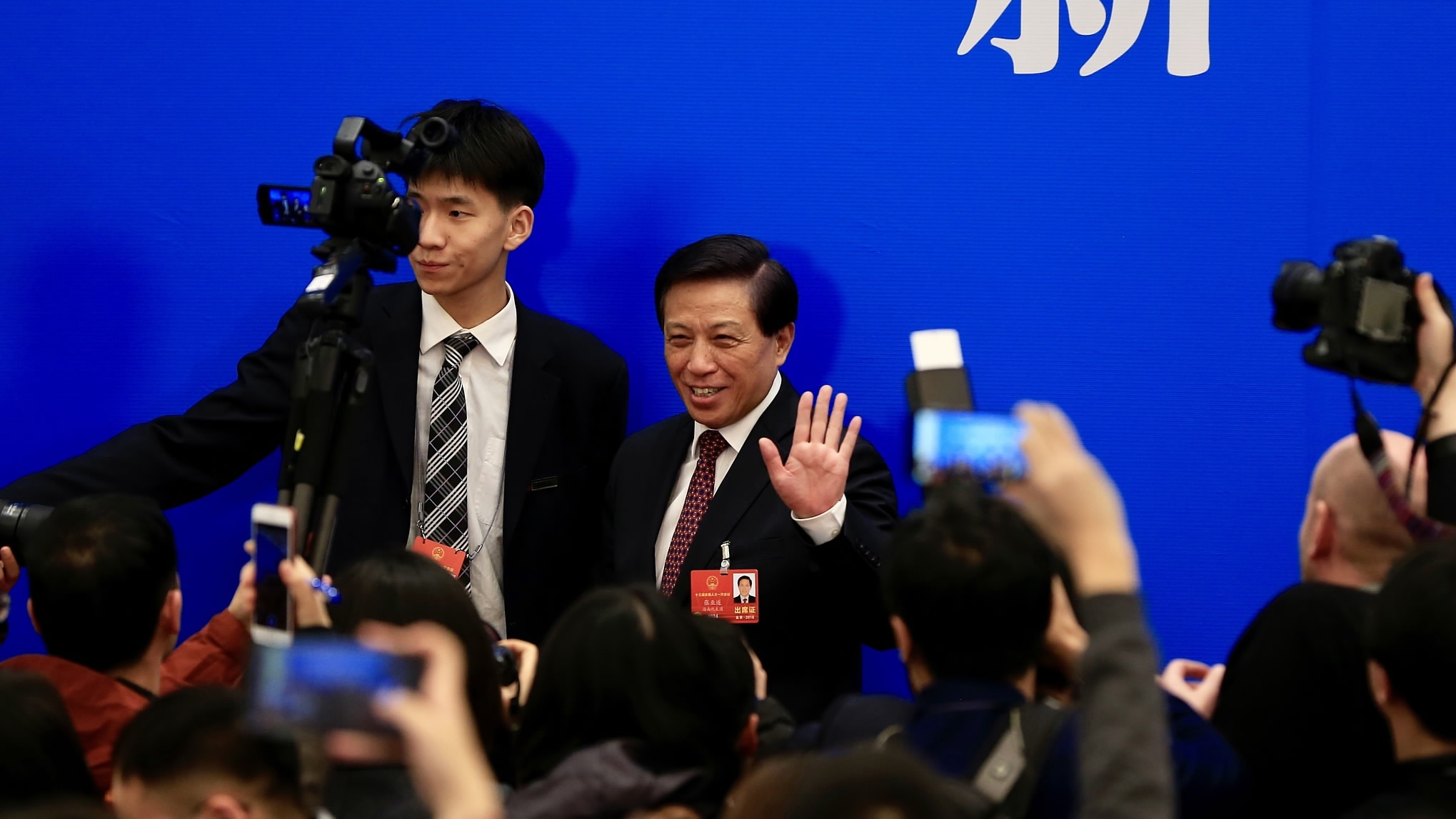
Zhang Yesui, spokesman for the first session of the 13th National People's Congress, at a press briefing in the Great Hall of the People, Beijing on March 4, 2018. /VCG Photo
Zhang Yesui, spokesman for the first session of the 13th National People's Congress, at a press briefing in the Great Hall of the People, Beijing on March 4, 2018. /VCG Photo
After a final thank you, a swarm of reporters pursued the spokesman to the exit. As the masses moved left, one light-fingered veteran reached onto the desk behind which Zhang had been sitting and pocketed three brightly-colored pencils.
Mementos, perhaps, but also a reminder that there are many more notes to be taken during this year’s Two Sessions – starting with Premier Li Keqiang’s government work report on Monday.
1km