
World
11:01, 18-Apr-2018
The big shift: French on the decline as Filipino becomes fastest-growing language in Canada
 ["north america"]
Share







Copied
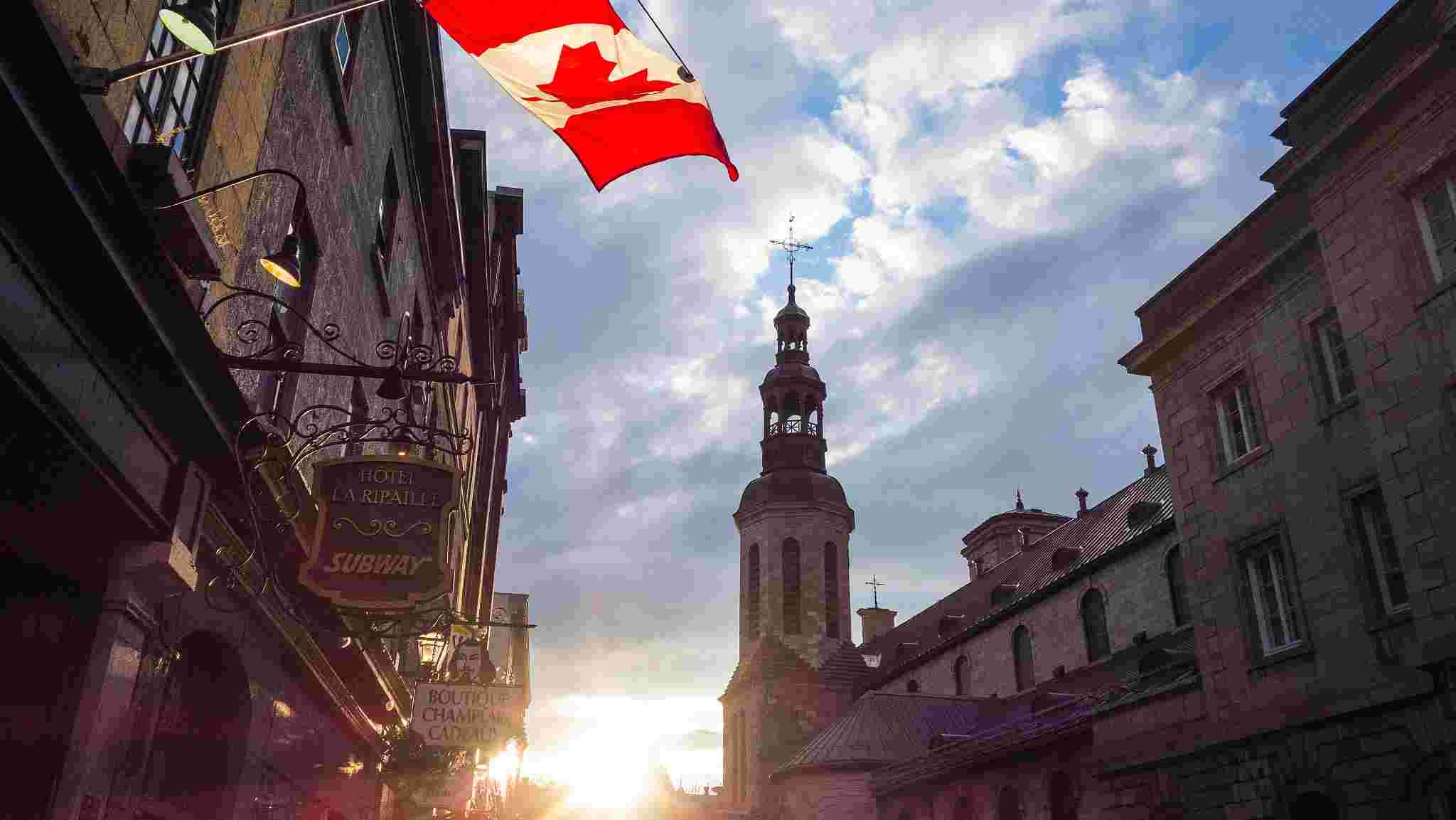
“In the same way that race is at the core of what it means to be American and the core of an American experience and class is at the core of British experience, I think that language is at the core of Canadian experience.”
- Canada’s former Official Languages Commissioner Graham Fraser
Canada is a country that continues to take pride in its diversity – and that couldn’t be more obvious than the amount of linguistic diversity to be found in its 10 provinces, with large cities like Toronto and Vancouver teeming with languages from around the world.
Recent census data revealed that there are more than 190 mother-tongue languages being spoken in Canada, up from the nearly 150 reported 10 years ago. English and French are still considered the dominant languages, but the increase in those immigrant languages is becoming more and more apparent, with nearly one in four people having another mother tongue.
French on the decline; Filipino on the rise
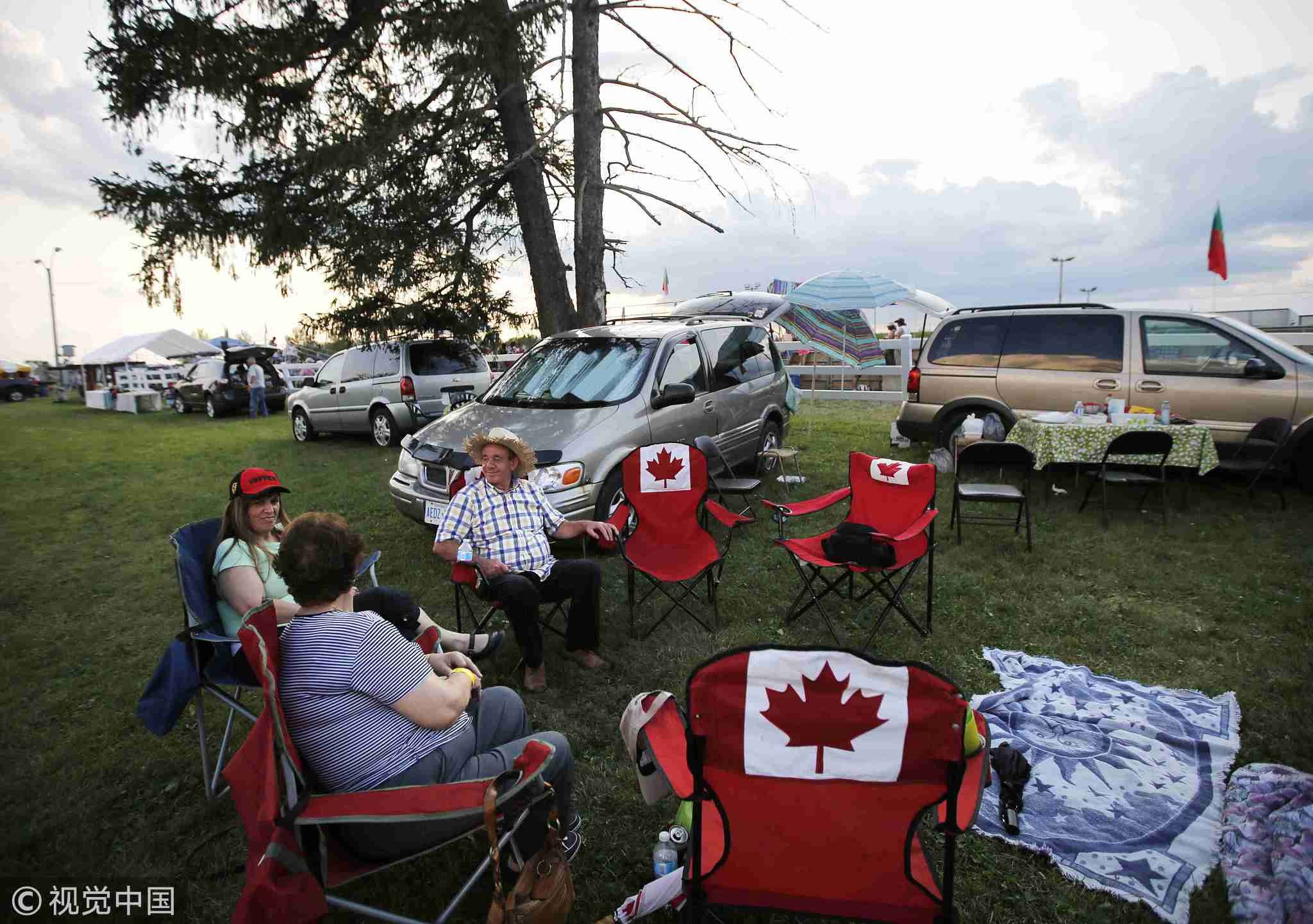
A Portuguese-Canadian family enjoys a tailgate party during the intermission at an Azorean "tourada a corda" (bullfight by rope) in Brampton, Ontario, August 15, 2015. /VCG Photo
A Portuguese-Canadian family enjoys a tailgate party during the intermission at an Azorean "tourada a corda" (bullfight by rope) in Brampton, Ontario, August 15, 2015. /VCG Photo
Data from Statistics Canada’s 2017 census showed that Filipino is the fastest-growing language in the nation.
Rene Houle, a senior analyst at Statistics Canada, said the country as a whole is seeing a rise in immigration from the Philippines, driving the increase in Tagalog speakers. Nationally, the number of Filipino speakers rose by 33 percent.
"Between 2010 and 2014, according to the immigration department of Canada, the largest contributor of immigration is now the Philippines," said Houle in an interview with the CBC.
In Manitoba, for example, the French population is on the decline and more Manitobans are speaking Filipino. Over 42 percent more people speak the dominant language from the Philippines than in 2011 – an extra 15,000 Filipino speakers. The same trend is happening in the other Prairie provinces: In Saskatchewan, the number of people speaking Filipino at home rose to 123.1 percent; while in Alberta, it went up to 68.3 percent.
Meanwhile, Statistics Canada reported that between 2011 and 2016, there were nearly 500 fewer people who spoke French as their main language in Manitoba. The decline of French as both a mother tongue and a language spoken at home is seen even in the francocentric territory of Quebec. The slip is in spite of decades of strict laws enforced by vigilant language police to keep French from being obliterated by the tide of English from the rest of Canada and the US.
"Manitoba, in general, is very close to the national average on most indicators, so it represents Canada as a whole, in a way," said Stacey Hallman, an analyst in the demography division of Statistics Canada, in a CBC interview.
Filipino bilingual K-3 program could be first in Canada
As more and more Filipinos settle in Canada, immigrant parents have started to advocate the integration of the language in school curricula. In Winnipeg, a Filipino bilingual elementary school is now close to becoming a reality.
CBC reported that Seven Oaks School Division is currently accepting registration for children entering kindergarten to Grade 3 next fall for the program, which they believe would be the first of its kind in Canada.
Open to all early year students, half of the curriculum will be taught in Filipino and the other half in English. Filipino will be the language of instruction in social studies, music, art and physical education with emphasis on Filipino culture and history.
Winnipeg is home to more than 76,000 people of Filipino descent.
Filipino parents who signed up for the program said that the unique curriculum is a good opportunity for their children to connect with their culture and roots.
"They were born in Canada, they're being raised in Canada – I don't want them to lose their identity," one parent said. "I want them to be proud of the fact that they are Filipino-Canadian."