
22:40, 25-Mar-2019
E-Commerce in Thailand: Online stores and social media battle for dominance
Updated
22:40, 28-Mar-2019
 []
[]
Share







Copied
02:35
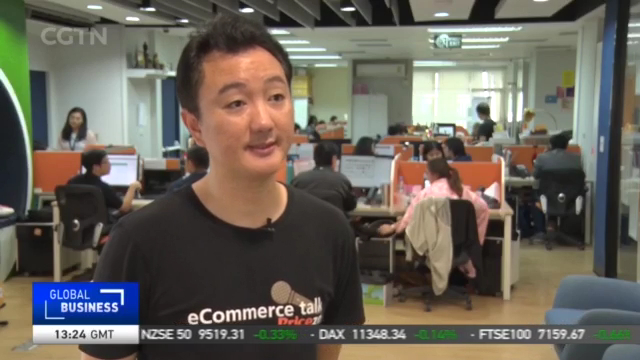
It's being called the "Click Wars", it's the mad scramble for online customers in Thailand. A rapidly-expanding market has made the country a digital battlefield, with e-commerce and social media competing for a slice of the action. Our Martin Lowe has more from Bangkok.
Around 75 million different products are available to Thailand's online shoppers, waiting on shelves for home delivery. A growing passion for digital buying here, has seen the value of e-commerce triple in two years to three billion US dollars a year. It makes Thailand one of Southeast Asia's fastest-growing online marketplaces and analysts say this is just the tip of the iceberg.
THANAWAT MALABUPPHA, PRESIDENT THAI E-COMMERCE ASSOCIATION "Thailand is an emerging market for online shopping. Right now the value of e-commerce is only around one percent compared to the total retail value. For example in China e-commerce penetration is 20 percent, that means there is huge potential for Thailand's e-commerce market to catch up with China."
Established e-commerce giants such as Lazada along with Shopee and JD are dominant in Thailand. But now they're being challenged as social media turns to sales with the arrival of Google Shopping and Facebook Marketplace.
MARTIN LOWE BANGKOK "Meanwhile, as social media has moved into sales, sales is moving into social media. Lazada, for example, allows customers to post and chat on its App, rivalling Facebook. These providers want to become central to Thai users' 'digital lifestyles'."
New laws levy tax on sales by foreign platforms, which were previously exempt, but most see this as simply levelling the playing field with domestic sellers and it's not expected to slow the online advance. Economists predict growth will continue with e-commerce sales quadrupling to 13 billion dollars a year by 2025. Investment in logistics is making it easier for people in the countryside to join the e-shopping revolution. An improved delivery network is now seeing almost half of all purchases being made in rural areas. Martin Lowe, CGTN, Bangkok.