
Culture
18:07, 27-Mar-2018
CGTN signs cooperative deal with CCG to strengthen global outreach
 ["china"]
Share







Copied
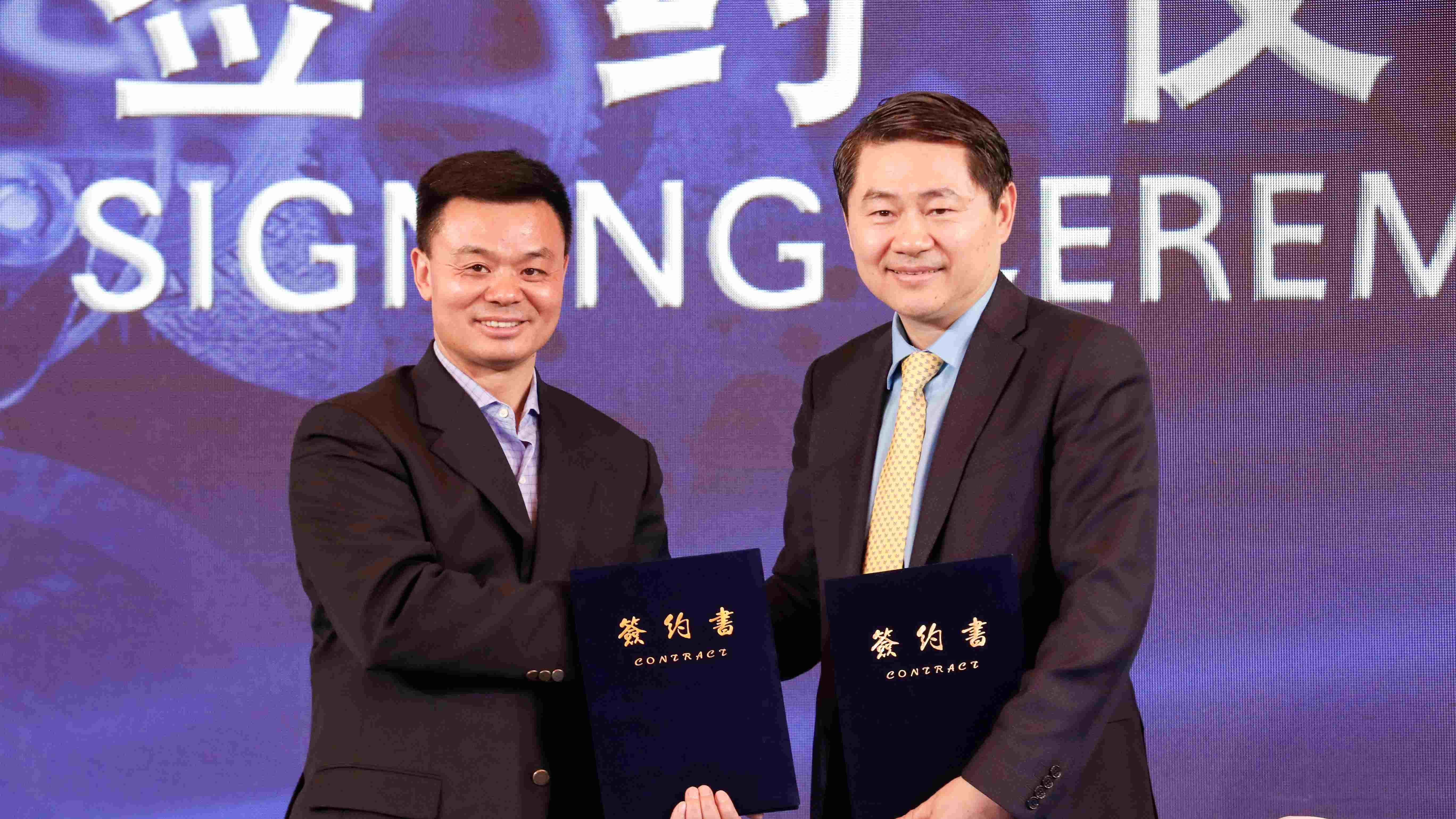
China Global Television Network (CGTN) has reached a cooperative deal with China’s top ranking independent think tank, the Center for China and Globalization (CCG), to facilitate quality news production, and strengthen its global outreach.
A signing ceremony was held on Tuesday afternoon at Beijing International Hotel.
Jiang Heping, the Managing Director of CGTN, attended the event and delivered a speech. He hailed the cooperation as a milestone event for CGTN.
Jiang expressed that since it was launched in December, 2016, CGTN has been working out new ways to promote media integration, and present a real and colorful China to a global audience.
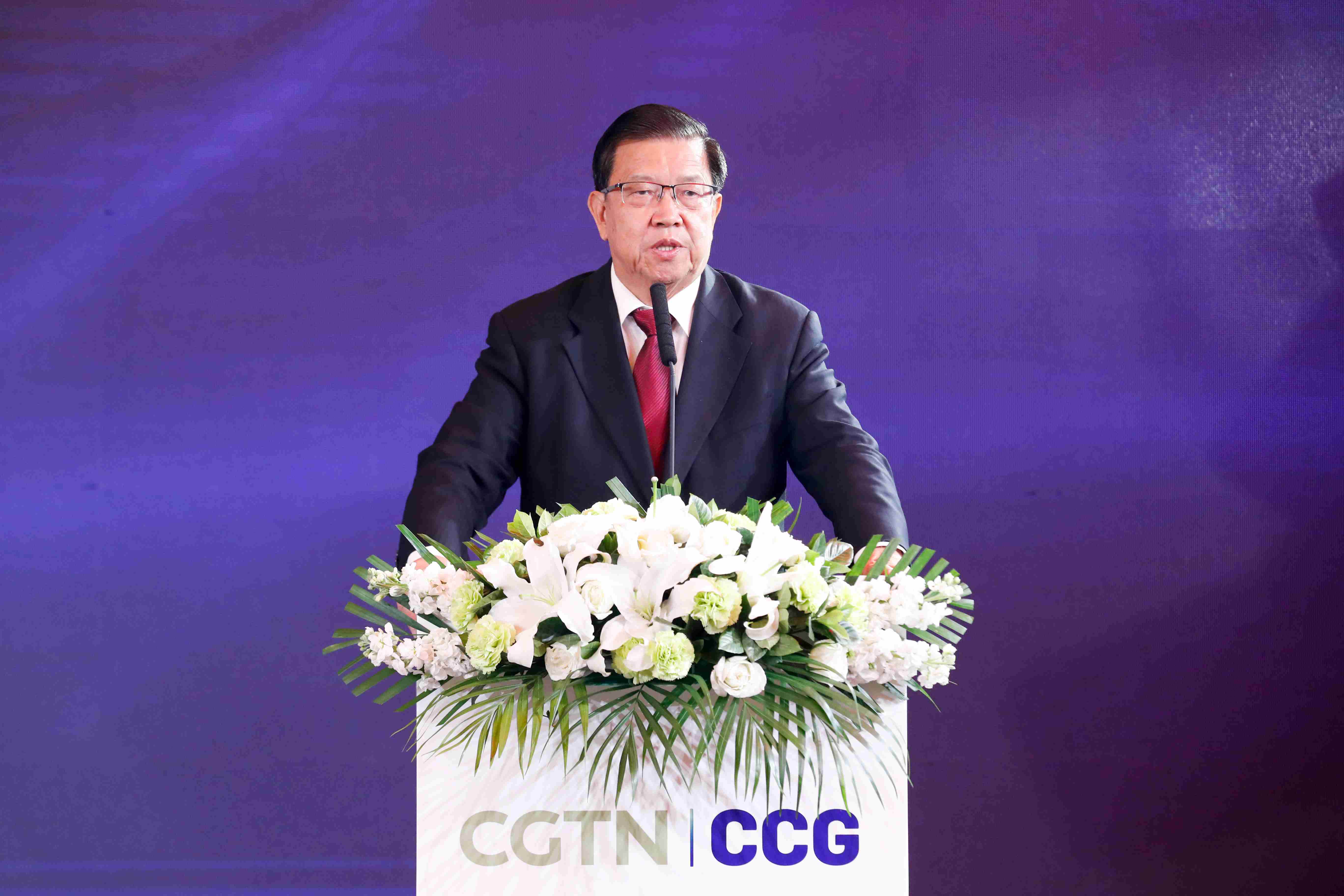
Long Yongtu, Chairman of CCG and Former Vice Minister of Commerce, delivers a speech on CGTN-CCG cooperation ahead of the signing ceremony. /CGTN Photo.
Long Yongtu, Chairman of CCG and Former Vice Minister of Commerce, delivers a speech on CGTN-CCG cooperation ahead of the signing ceremony. /CGTN Photo.
Director Jiang said that the partnership will further strengthen CGTN’s commentating capability, and ensure the premium quality of its news contents. He added that it will help bring China closer to the whole world.
Long Yongtu, Chairman of CCG, and Former Vice Minister of Commerce, explained that the think tank is a crucial carrier of national soft power, and has been working since it was launched 10 years ago to promote China’s greater openness.
By working together with CGTN, as Long explained, it will better bridge the gaps among different countries, and serves as a platform to share Chinese wisdom, and contribute to the improvement of hotspot issues like global economic growth and climate change.
After the signing ceremony, CGTN and CCG held a high-level forum on the integration of media and think tanks. And CCG unveiled 10 suggestions on securing long term stable economic and trade relations between China and the US.
These suggestions include:
Campaigning for a new mode of analyzing trade effects that would more accurately reflect how much US companies gain from the bilateral trade deficit; lifting the excessive export limits, especially on high tech products from American companies; extending the protection of intellectual property rights to foreign companies or taking foreign IP regulations into account.