

How the 23rd solar term 'Xiaohan' marked across China






1 / 9 Xiaohan, also called Minor Cold, is the 23rd solar term in Chinese lunar year. It also means that after Xiaohan, most areas in China enter into a bitter cold stage of the winter. On Jan 5, Xiaohan fell, which also brought snow and cold air in many cities in China. Chinese solar term once added to the United Nations Educational, Scientific and Cultural Organization's (UNESCO) world intangible cultural heritage list in 2016, is a traditional lunisolar calendar that matches a particular astronomical event or signifies some natural phenomenon. The pictures following will show the beauty and life in China on "Xiaohan." In ancient times, people in some parts of China took “Xiaohan” quite seriously, but as time went by, the celebration of Minor Cold gradually faded. But today, people will still take Laba porridge, made by eight kinds of rice. /Photo via Xinhua News
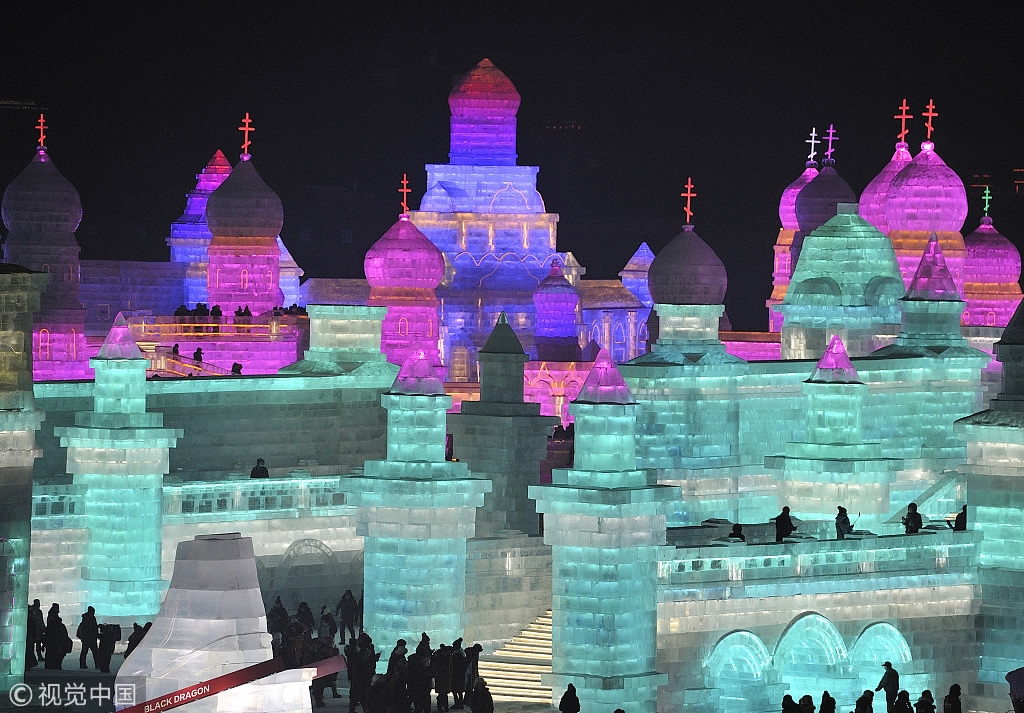
2 / 9 In Harbin, the northeast of China, the international ice and snow sculpture festival officially opened on this day. /Photo via VCG
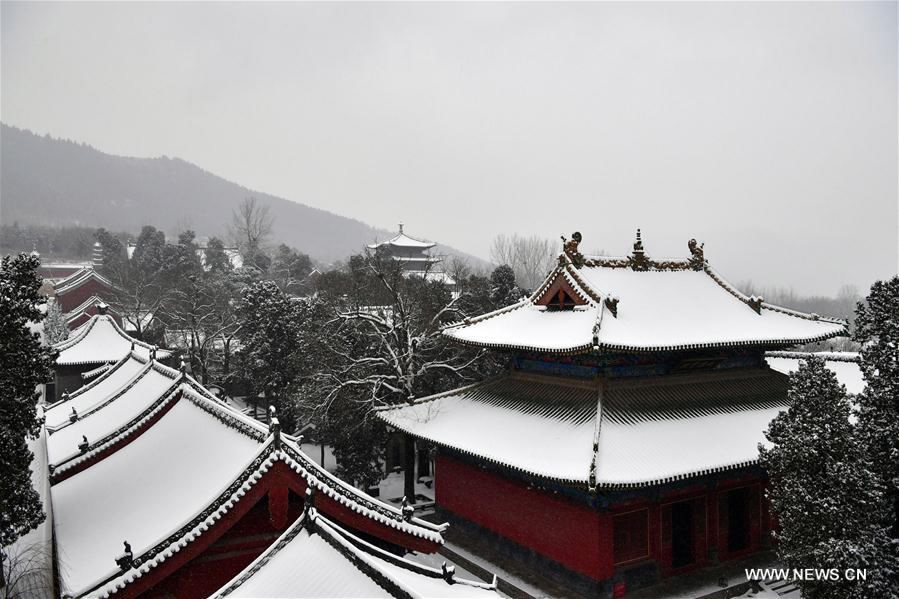
3 / 9 The snow covers Shaolin Temple in Henan Province, in central China. /Photo via Xinhua News
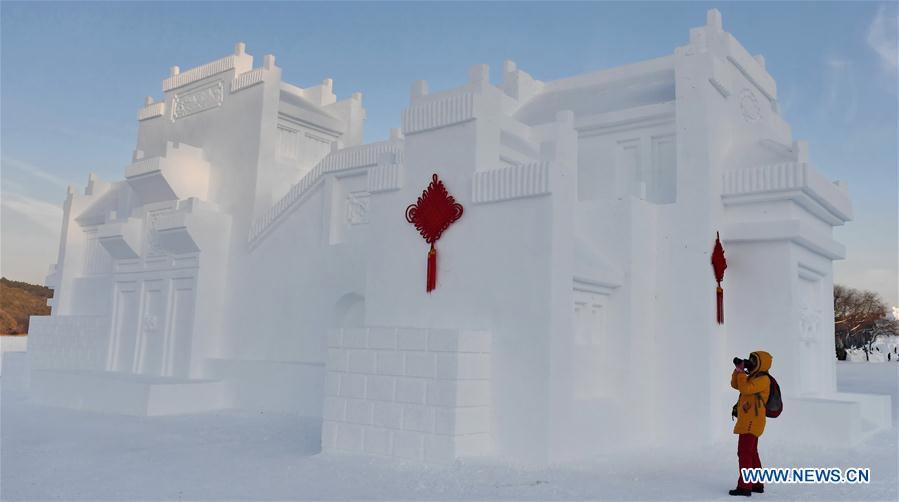
4 / 9 Visitors took a picture at a local ice sculpture festival in Changchun, northeast China. /Photo via Xinhua News
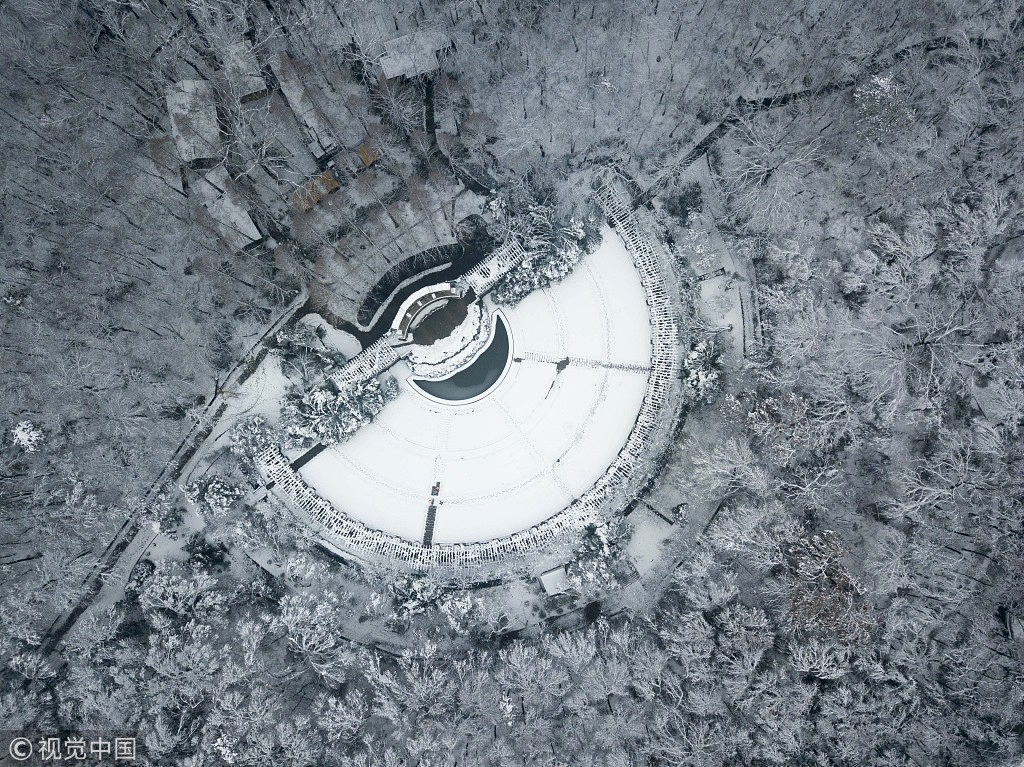
5 / 9 Aerial view was taken in Mingxiao Temple, which is surrounded by wintersweet, also called ice flower, in Nanjing in east China. /Photo via VCG
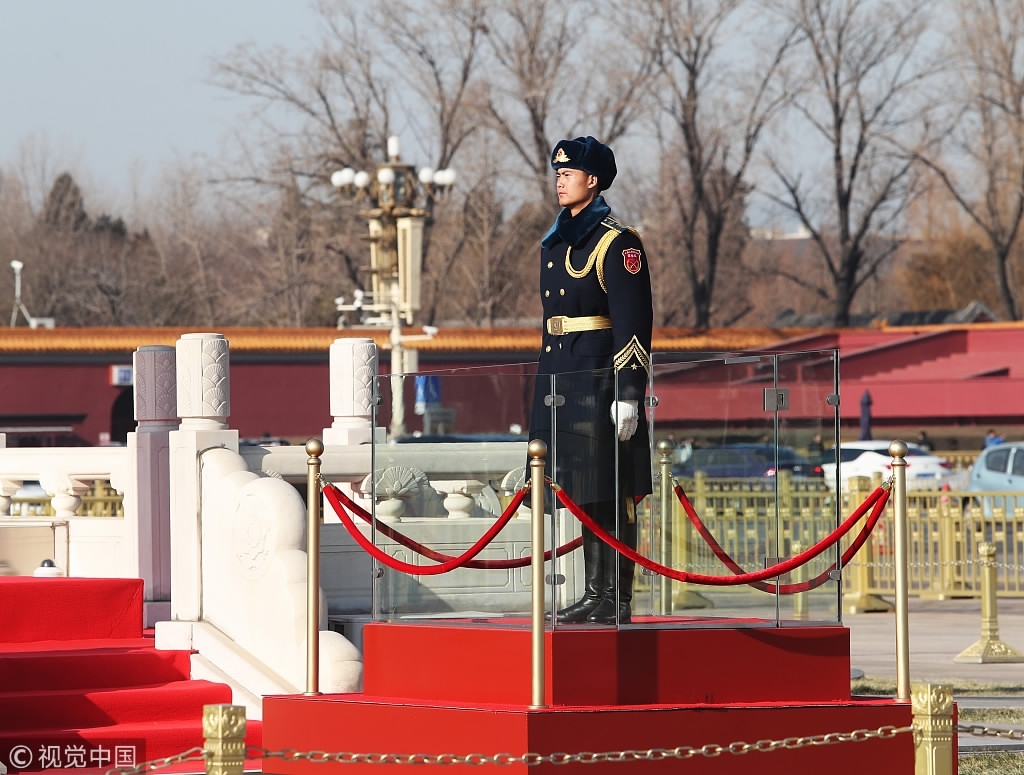
6 / 9 During the freezing winter, the security guard still stands guard. /Photo via VCG
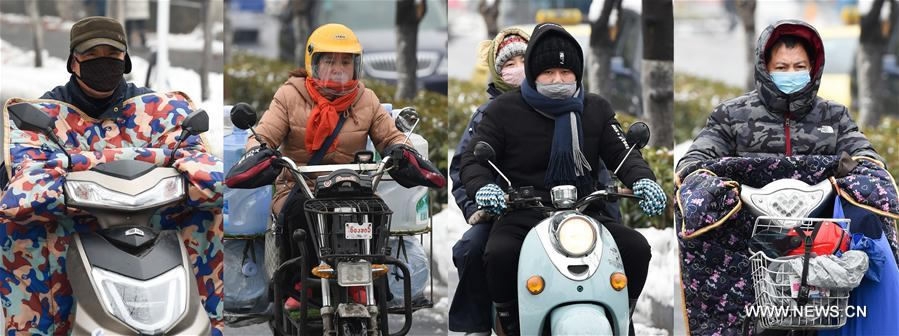
7 / 9 Commuters pull out their scooter blankets and other warm gear as they ride to and from work each morning in Nanjing, east China. /Photo via Xinhua News
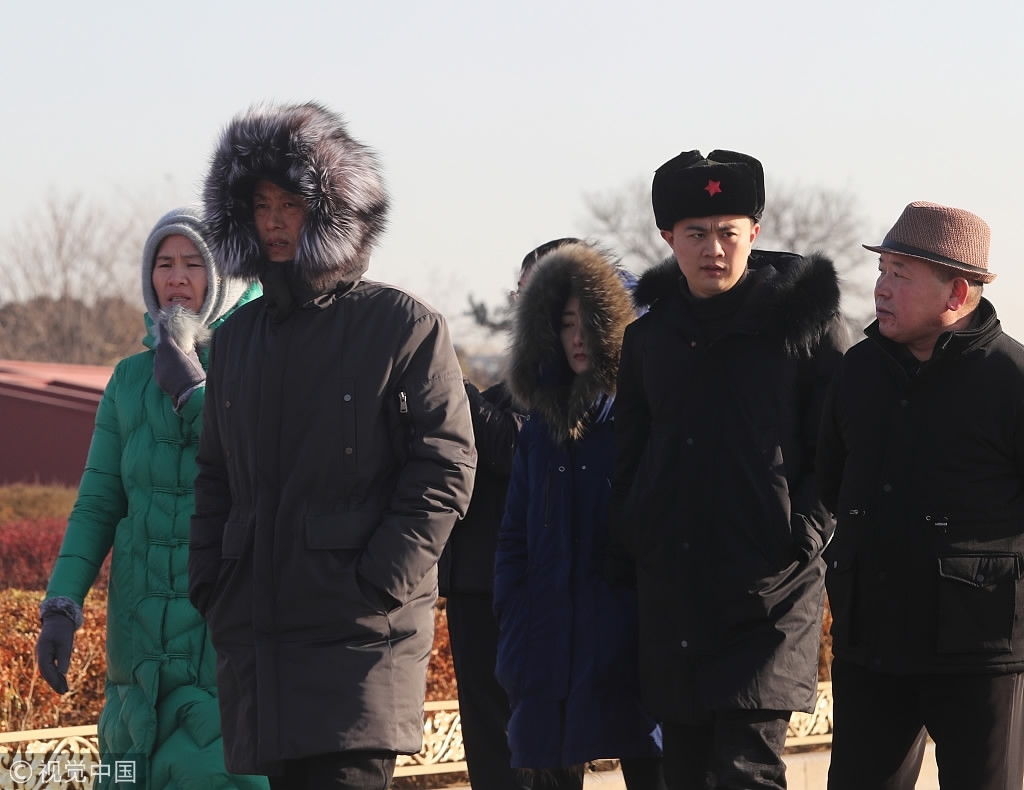
8 / 9 In Tiananmen Square in Beijing, visitors braved the frigid temperature. /Photo via VCG

9 / 9 The lake in Taoranting Park, one of the oldest park in Beijing since Qing Dynasty, is now open after "Xiaohan." /Photo via VCG
