
Business
19:03, 10-Feb-2018
China's Rural Vitalization: What three counties plan to do
 ["china"]
Share







Copied
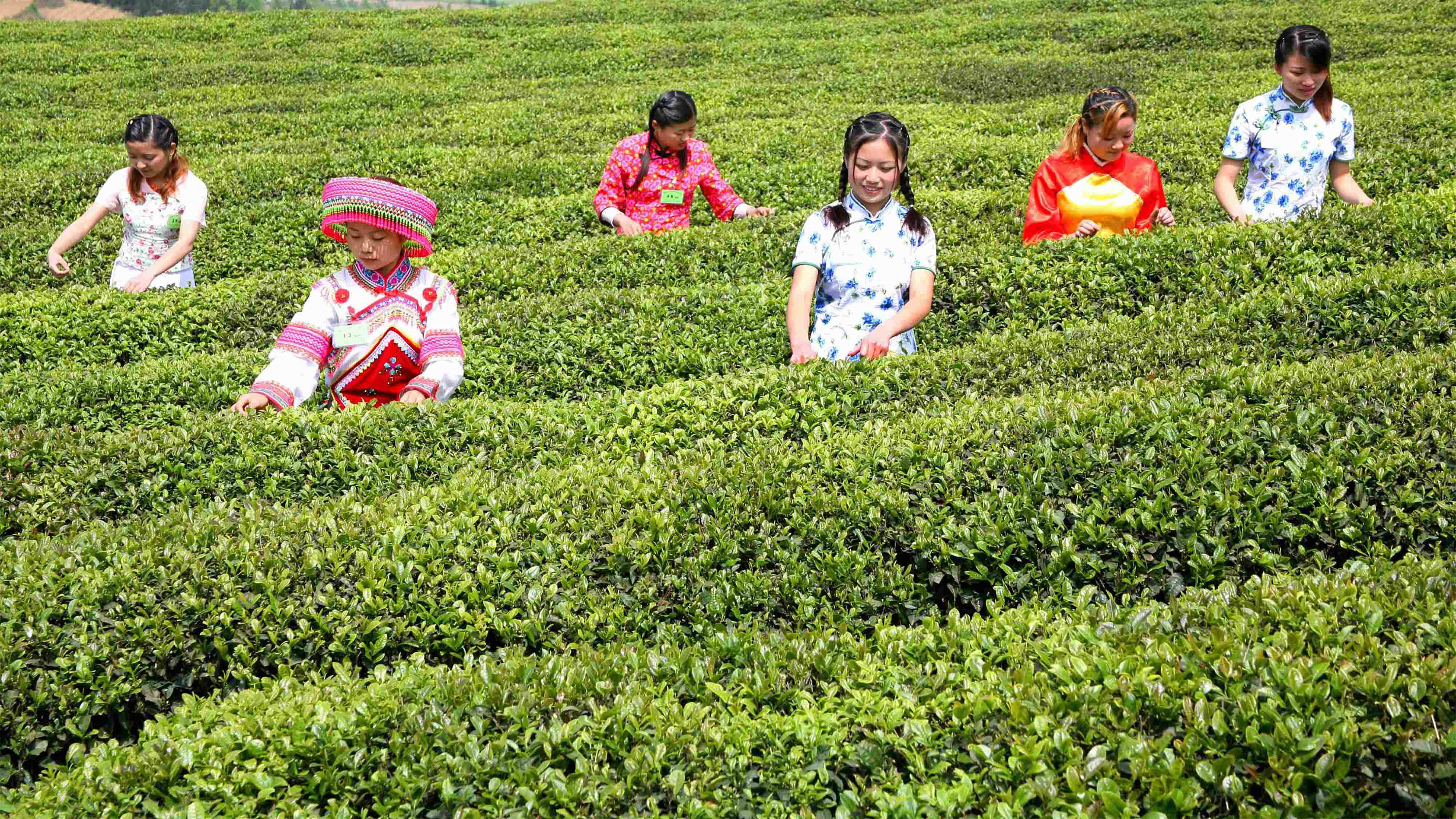
Rural provinces and regions in China are developing strategies to entice migrants to return.
Internal migration in China is one of the most extensive in the world, with many leaving to seek better conditions in urban centers.
China set out the roadmap to vitalize rural areas in its newly-released No.1 Central Document on Sunday, following which Communist Party of China (CPC) chiefs from three counties shared their own blueprints to encourage remigration.
Zhejiang Province in the east, Guizhou in the southwest and the northwest, Ningxia Hui Autonomous Region have distinct natural environments, diverse ethnicities and, most importantly, are at different stages of development.
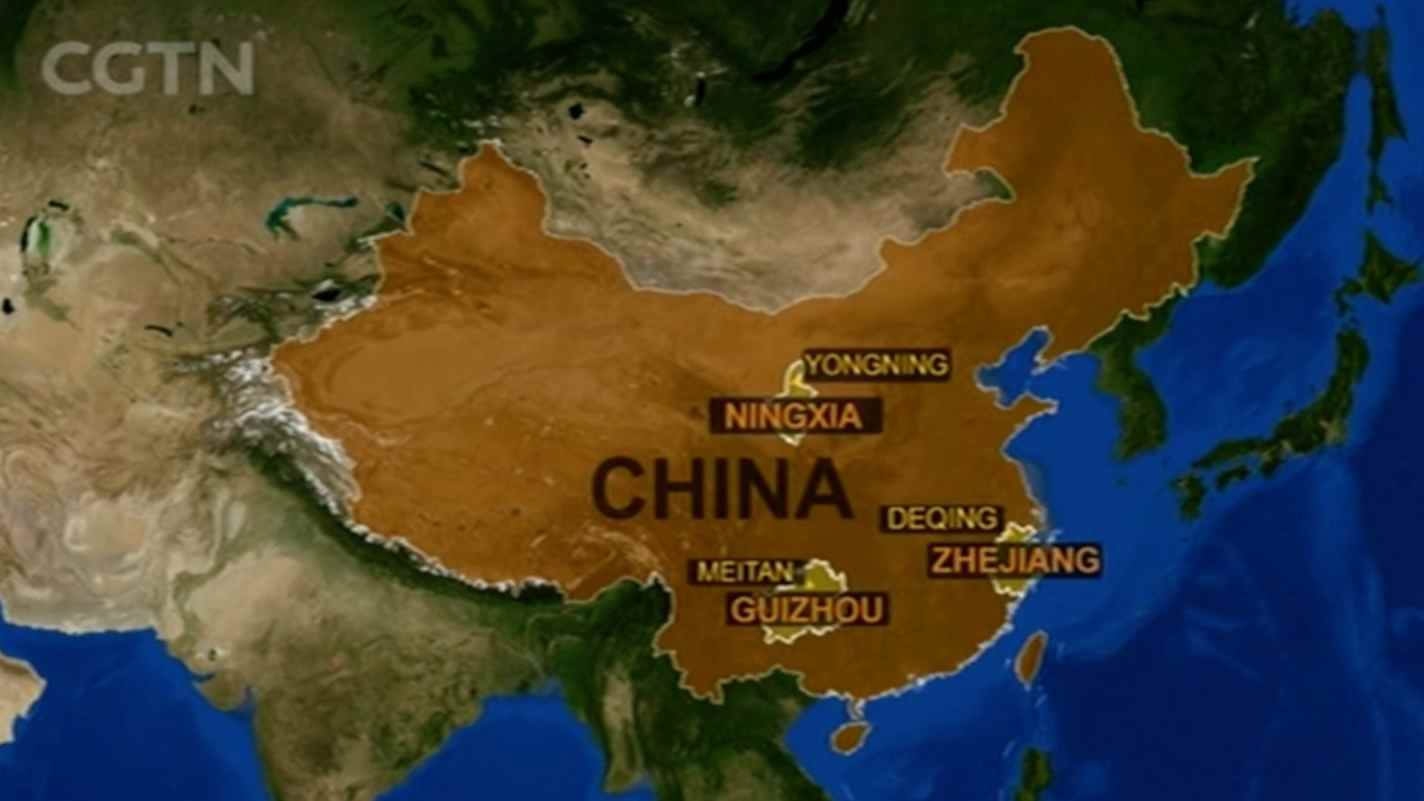
The locations of the three counties in China./CGTN Photo
The locations of the three counties in China./CGTN Photo
But one thing they have in common is their ambition to lure villagers back home from the country's big cities. It's all part of China's rural vitalization vision, which addresses issues related to agriculture and rural communities
At a press conference on Tuesday at the State Council, the Party chiefs of the three counties spoke to CGTN about what they have been doing to entice villagers back.
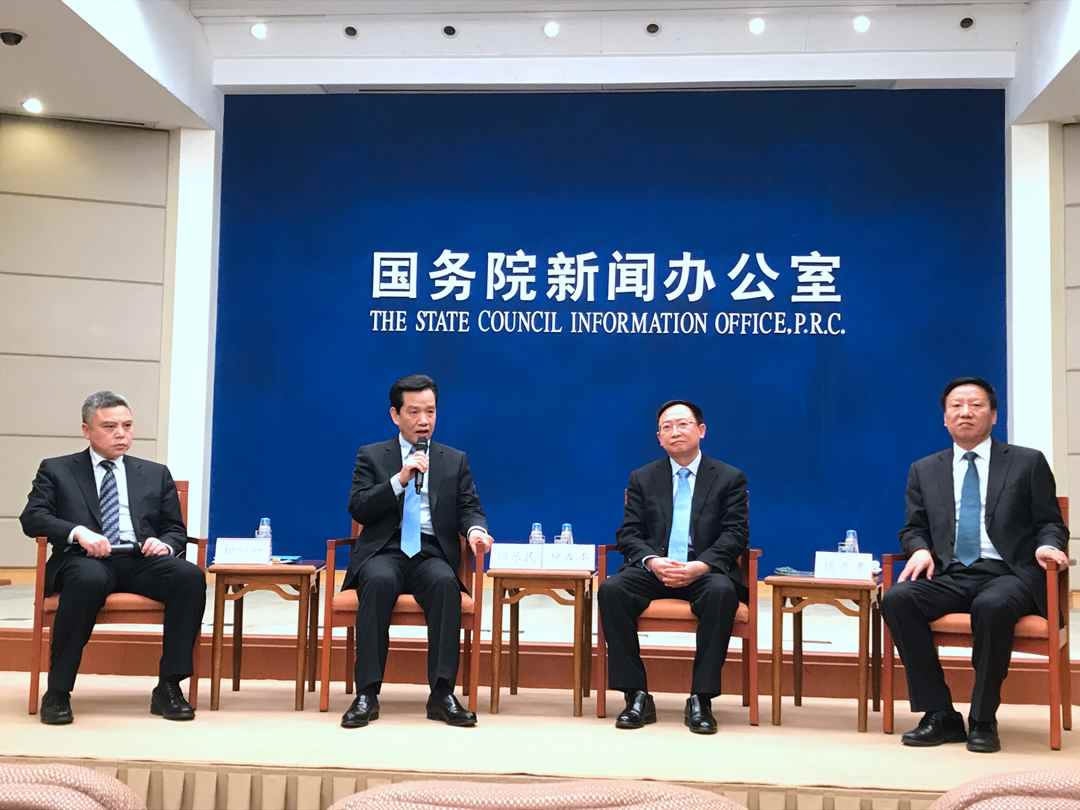
From left to right: Press release moderator Hu Kaihong, Deqing Party chief Xiang Lemin, Meitan Party chief Wei Zaiping and Yongning Party chief Qian Kexiao at the press conference in the State Council Information Office on Tuesday. /CGTN Photo
From left to right: Press release moderator Hu Kaihong, Deqing Party chief Xiang Lemin, Meitan Party chief Wei Zaiping and Yongning Party chief Qian Kexiao at the press conference in the State Council Information Office on Tuesday. /CGTN Photo
Deqing County: Tourism retains local residents
The well-developed Deqing County in Zhejiang Province is setting the bar.
Situated in the Yangtze River delta, the coastal county – where the picturesque Mogan Mountain is located – has been working hard to drive its tourism industry, spreading the word both home and abroad.
"Rural residents in my county are not really interested in moving to the cities," said Xiang Lemin, Party chief of Deqing County. "Instead, urban dwellers, including the well-educated, want to move to the countryside. One reason for that is we developed tourism, leisure agriculture and e-commerce. Secondly, we have also provided residents with good public services, including advanced transportation. Also, we have taken full advantages of our unique natural environment."

The view of Mogan Mountain in Deqing county./VCG Photo
The view of Mogan Mountain in Deqing county./VCG Photo
Meitan County: Tea planting is the pillar industry
How Meitan, a typical inland county located in southwestern China, retains its talent, a totally different story, by tea planting.
Wei Zaiping, Party secretary of the county CPC committee in Guizhou Province, says that only by developing tea plantation well and providing talented people with good platforms, will they be willing to return home and start their own businesses.
"For the last decade, we have established tea-planting as our pillar industry, developing 400 square kilometers of tea fields," said Wei Zaiping. "Last year alone, the value of our tea output reached 4.2 billion yuan or nearly 670 million US dollars. We have also set up a big tea market and an annual tea expo. Meitan is famous for two categories of tea – a green tea named 'Meitan Cuiya,' and a red tea named 'Zunyi Hong.' If you are not familiar with them, it means we are not promoting them well enough."
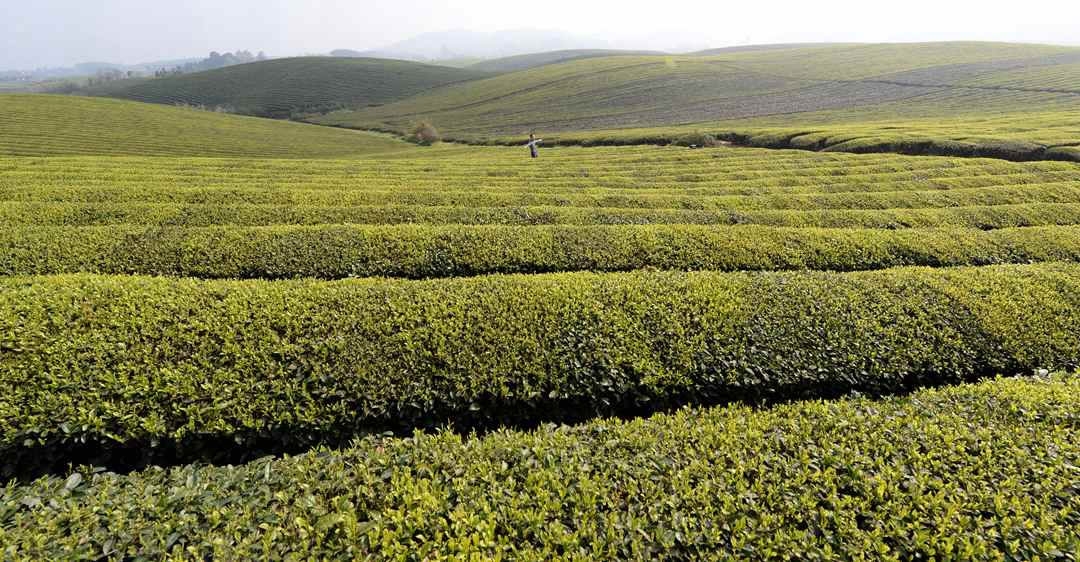
A tea garden in Meitan./VCG Photo
A tea garden in Meitan./VCG Photo
Yongning County: Help from other regions needed
Still, villagers across the country continue to flock to the cities. That’s certainly the reality for counties with harsh living conditions like Yongning in the Ningxia Hui Autonomous Region.
Facing problems like water shortages and drought, Yongning has to ask for help from better-developed regions. This requires nationwide policy coordination.
"We have been cooperating with the southeastern province of Fujian for 20 years. Located in northwestern China, our county faces harsh living conditions. Fujian has helped us in many areas, including financing, technology and human resources. Many entrepreneurs in Fujian have come to Ningxia to set up companies," said Qian Kexiao, Party secretary of the Yongning CPC county committee.
Qian firmly believes that once the county has been vitalized, talents will return home sooner or later.
Infrastructure construction, industrialization and natural environmental protection were the three key messages sent by the Party secretaries during the press conference.
For the 15th year in a row, China’s No. 1 Central Document has targeted agriculture, farming and rural areas. Following China's vision for rural vitalization, many believe that now is the time for local governments to start putting their plans into practice.
6km
Xiang Lemin