
14:15, 29-Mar-2019
Technology & Sustainability: Artificial intelligence makes cities smarter
Updated
14:10, 01-Apr-2019
 []
[]
Share







Copied
02:48
Is artificial intelligence making our cities smarter? Well, according to a report by Deloitte China, over 500 Chinese cities have specifically proposed to build or are in the process of building smart cities. CGTN's Xu Mengqi visited one of them, Hangzhou, to find out more.
XU MENGQI HANGZHOU "In 2016 the city of Hangzhou adopted an AI project dubbed the 'city brain' which is said to have helped alleviate its traffic problem. And we are about to find out how."
At one of Hangzhou's traffic command and dispatch centers, officer Sheng Jun was just alerted about a traffic accident.
SHENG JUN HANGZHOU TRAFFIC POLICE OFFICER "Just now it was the city brain that alerted us. More specifically it was a video alert from the camera feeds. We verified it and found out it was an accident involving three cars. And then we immediately dispatched police to the scene to deal with it."
Car crashes, illegal parking, these incidents which can result in traffic congestion, Hangzhou traffic police have minimized their response time, thanks to the intelligent city brain that can now identify them automatically.
ZHANG JIE, HEAD OF DIRECTING DEPARTMENT HANGZHOU TRAFFIC POLICE DIRECTING CENTER "The video alerts can notify our command officers about an incident on the ground, basically within around 1 minute, or even 20 seconds in the fastest cases."
But the city brain is capable of more than just spotting an incident. Zhang Hui, senior engineer from Alibaba Cloud, which provides the tech infrastructure for the A.I. project, says the brain can also adjust traffic light timing, for example, to let fire and rescue teams rush through.
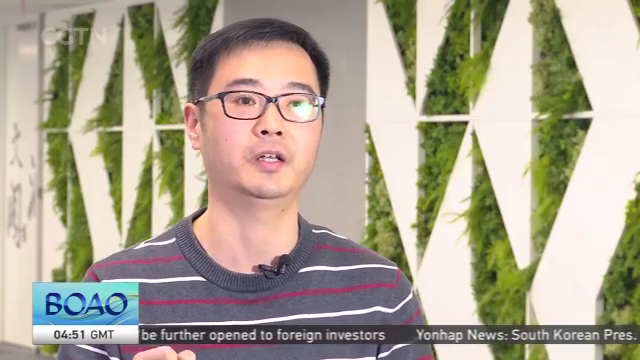
ZHANG HUI, SENIOR ENGINEER ALIBABA CLOUD "At the intersections there are all kinds of sensors. We integrate the data into our computing platform, and work out the optimal solutions to balance supply and demand on the traffic network, and to dynamically adjust traffic signals."
Artificial intelligence, however, isn't only applied to Hangzhou's traffic management. It is also transforming the city's tourism and health care sector.
QI TONGJUN, DIRECTOR OF DATA RESOURCES HANGZHOU DATA RESOURCES MANAGEMENT BUREAU "Traditional ways of management can no longer solve the various problems in our urban development. We hope artificial intelligence can play a part in better distributing the city's public resources."
Well, will artificial intelligence be the solution to all of our urban problems? Only time will tell. But we do know that hundreds of Chinese cities, and some in other countries as well, are willing to give it a try. XMQ, CGTN, Hangzhou.