
19:37, 20-Jul-2019
Protecting Heritage: Syrian artisans pass their crafts amid war
Updated
19:48, 20-Jul-2019

Share






Copied
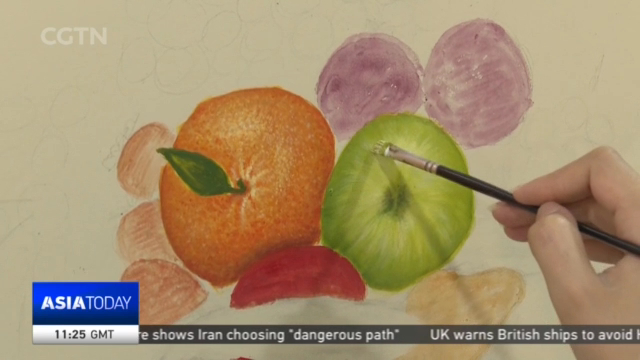
Syria's traditional handicrafts date back thousands of years. But these crafts are now in danger after eight years of war that have brought economic ruin and destroyed the tourism industry. Our correspondent Zhu Xuesong visited a compound in the Syrian capital dedicated to handicrafts to find out how these traditions are being passed on despite the recession.
In this small workshop, 57-year-old Muhammad is patiently teaching his apprentice traditional woodwork.
MUHAMMAD FIRAS MASTER CARPENTER "You have to start from this corner, this one is narrow and goes in the middle. This must be held gently because it is delicate."
A few years ago, his workshop in the suburbs of Damascus was completely destroyed in the war. With a machine rescued from the ruins, he moved from one location to another and finally settled in this manufacturing compound where an NGO, Heritage Growth, provides free workshops for displaced craftsmen like him.
ZHU XUESONG DAMASCUS, SYRIA "The house was abandoned and about to collapse until the organization renovated it. In this small compound, the organization provided 12 individual workshops for craftsmen displaced by the war and encouraged them to use it for training."
REMAL SALEH, MANAGER HERITAGE GROWTH ORGANIZATION "Heritage is part of our identity, so we maintain this heritage to maintain our identity. And this needs continuity and which means new generations need to be taught."
47-year-old Maher in the next workshop had a similar fate to Muhammad. He used to have a successful career, operating two wood painting shops in Eastern Damascus. However, both of them were burnt down during the conflict and nothing was left. He did other jobs to support his family, but he finally resumed his old profession with his passion to prevent this vulnerable heritage from dying out.
MAHER BOUZOU DAMASCUS WOOD PAINTING CRAFTSMAN "We can't sell very much because the war has brought poverty and this has affected us as craftsmen. People want to buy food rather than expensive well-crafted goods. Those skills will die out if we don't maintain them."
Despite the recession his profession is suffering, Maher is glad that his son is learning wood painting skills from him and the boy has a keen desire to learn the tradition.
ABUDULRAHIM BOUZOU MAHER BOUZOU'S SON "I like this craft. My dad has been working in it for such a long time. If I do not learn it, it will die out. I always see my father working so I should follow his lead."
Many Syrian craftsmen have been unable to preserve their workplaces, but with their steadfast faith in the profession, they are confident that the secrets of their crafts will still be passed on from generation to generation. Zhu Xuesong, CGTN, Damascus, Syria.