
World
14:57, 13-Apr-2018
Crisis in Syria: Can a security system resolve this crisis?
 ["north america","europe","other","Syria"]
Share







Copied
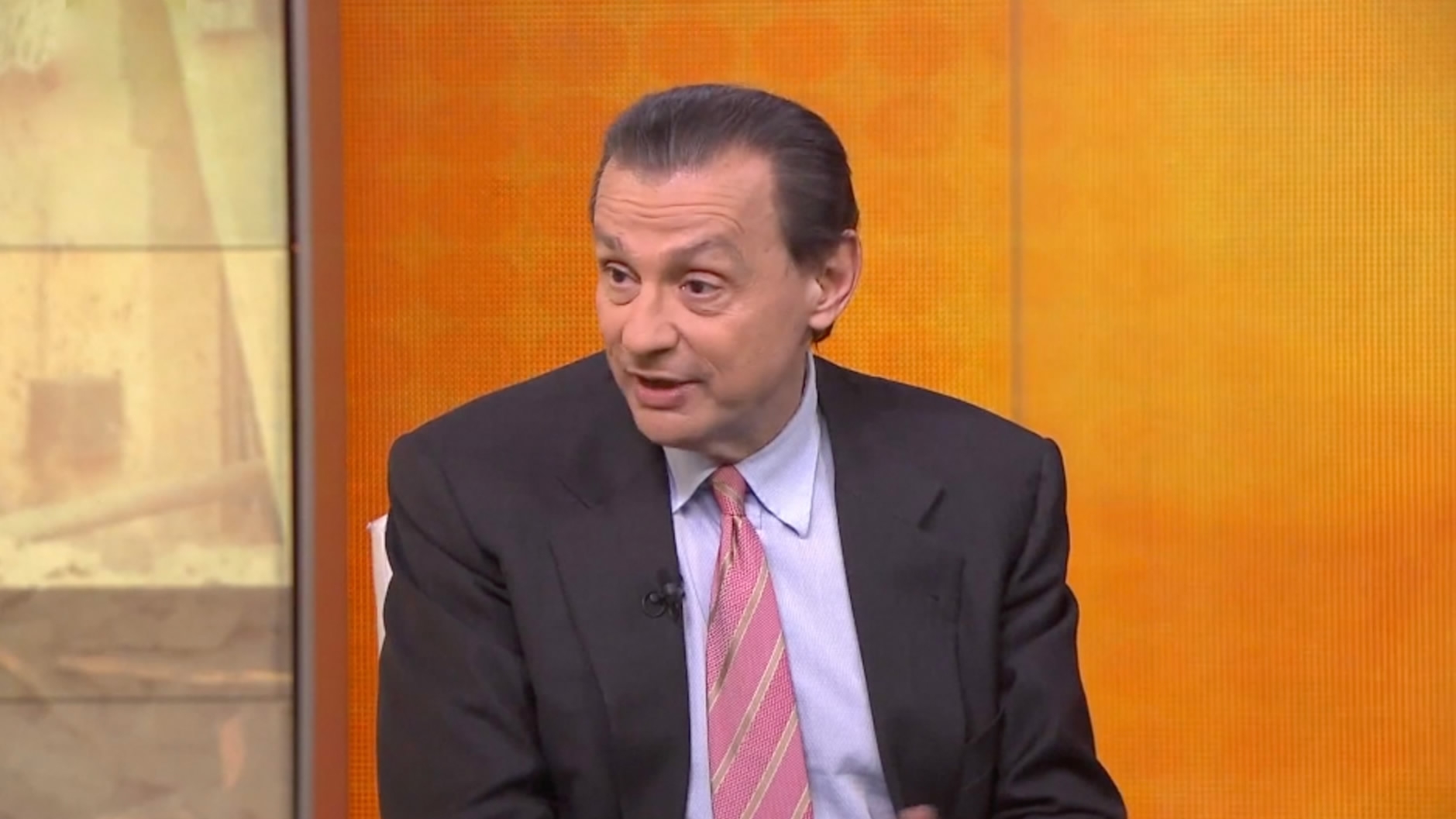
By CGTN America: The Heat
Syrian government forces are on “high alert” for US military action in response to the suspected chemical weapons attack in the rebel-stronghold of Douma, near Damascus on Saturday. Images showing what looks like evidence of chemical weapons use in Syria have prompted an international outcry, including a heated debate at the United Nations. In this edition of The Heat at CGTN, we discussed the crisis in Syria.
Ammar Waqqaf, Alexander Nekrassov, Kaveh Afrasiabi, and Paolo von Schirach, shared their views with CGTN’s The Heat.
Alexander Nekrassov, who is a former adviser to the Russian government, offered the audience the view from Moscow. “We are no longer talking about Syria here. We are talking about the standoff between America, the West, and Russia.” The big concern in Nekrassov’s view was whether there is a security system in the world or in other countries to help resolve this crisis.
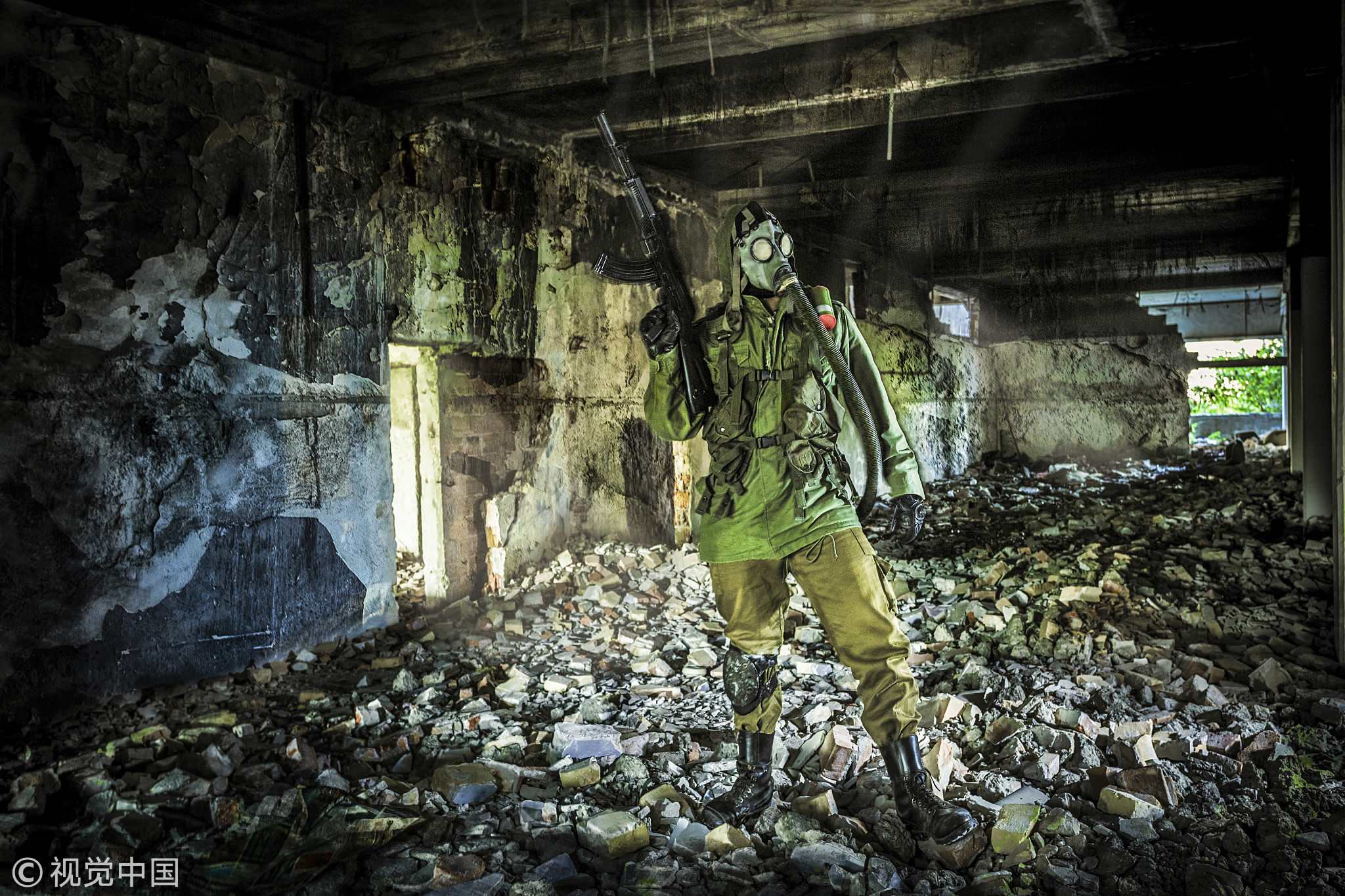
VCG Photo
VCG Photo
“All things are possible, of course, but I wouldn’t go that far. And everybody understands that the issue here is not a country attacking another country, or people getting killed,” commented Paolo von Schirach, the president of the Global Policy Institute. “Here, the issue is the use of illegal, unlawful chemical weapons.”
Paolo von Schirach doesn’t think that this crisis is really about the US and Russia and he raised questions about the future of the situation. Is it going to be an all-out war against President Assad trying to dislodge him—and in that case, creating undoubtedly strategic concerns for Russia which is an ally of Assad, or is it going to be another one-off attack or punishment?
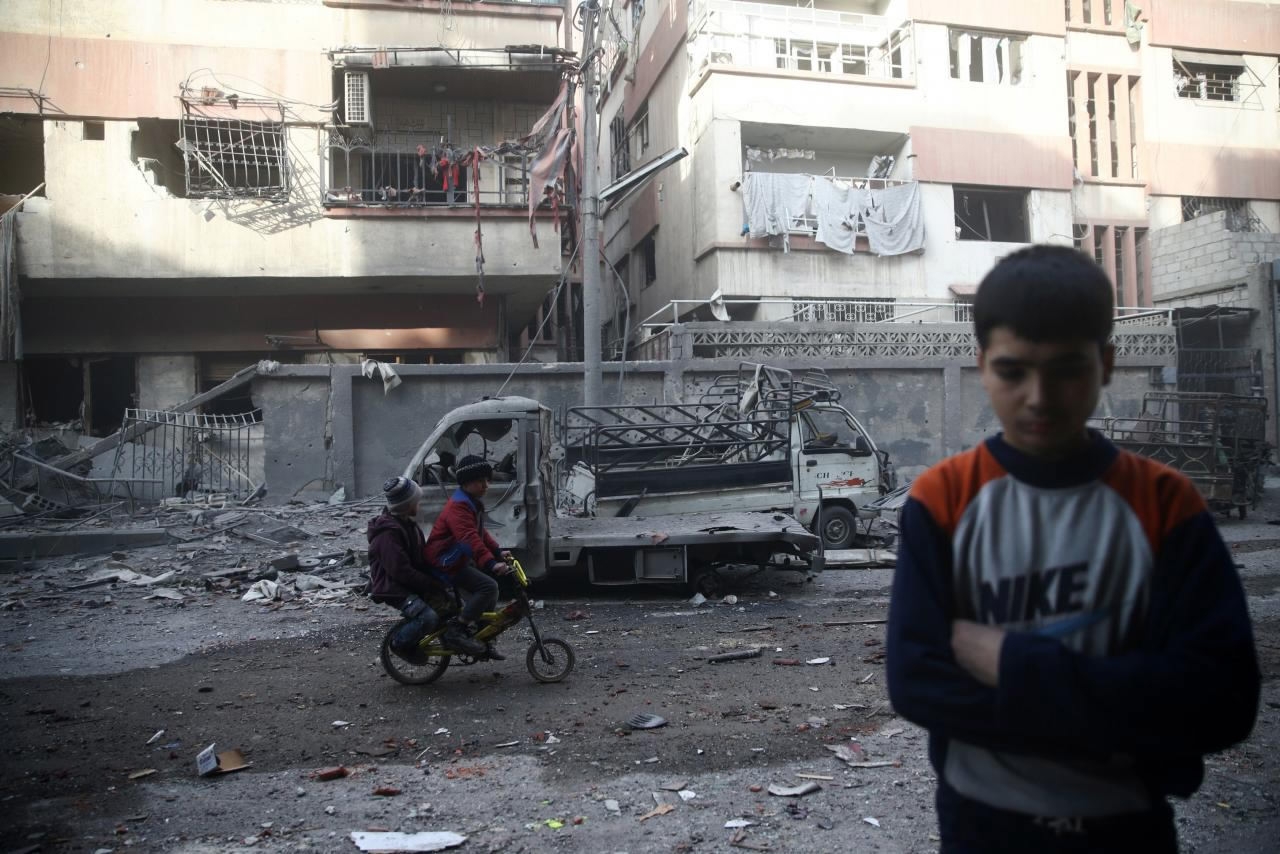
Reuters Photo
Reuters Photo
Ammar Waqqaf said that we don’t know exactly whether there was a chemical attack in Duma and who carried it out, which increased the difficulty of understanding this issue.
Waqqaf supported Nekrassov’s argument, and he also thought that this crisis has nothing to do with Syria. “This is not about the chemical attack. Nobody is waiting for the OPCW team to come up with any conclusions at all. This is about the United States and its allies trying to stop a sort of recess in influence, basically because they bet on the wrong horse in the Syrian crisis.”
Kaveh Afrasiabi is a political scientist and expert in Iran’s foreign affairs. He stressed that “we need to focus on the main picture, which is that this very careless, casual approach to instigating war and launching a unilateral strike by the US and its Western allies. That could trigger a Russian response and then a spiral out of control very easily involving nuclear weapons. How we can afford to be relaxed about it and not to be dead terrified and scared of this very imminent danger lying ahead in a day or two in front of us?”
The Heat with Anand Aidoo is a 30-minute political talk show on CGTN. It airs weekdays at 7:00 a.m. BJT and 7:00 p.m. Eastern in the United States.