
China
14:36, 01-Oct-2017
The Big Picture: Ethnic cultures make their mark
 ["china"]
Share







Copied
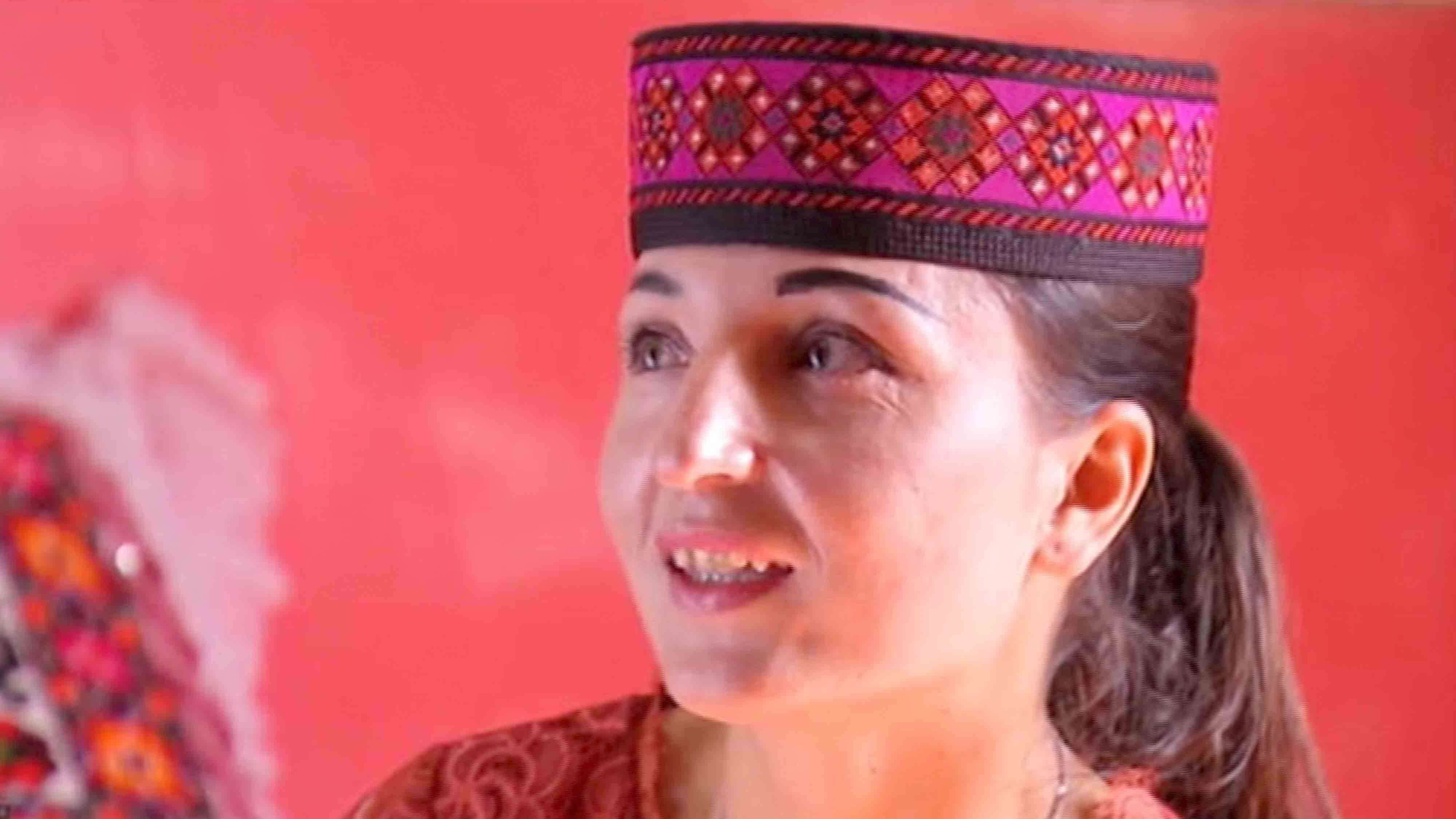
It is heartening to see ethnic cultures staying resilient and finding their place in the globalized and interconnected world today.
Everyone deserves a place in this world, "to each his or her own," after all, and the same can be said for this group of Tajiks.
In this series of The Big Picture, CGTN correspondent Han Bin zooms into the traditional Tajik wedding in China, where traditions are kept alive, but also updated to keep up with the times.
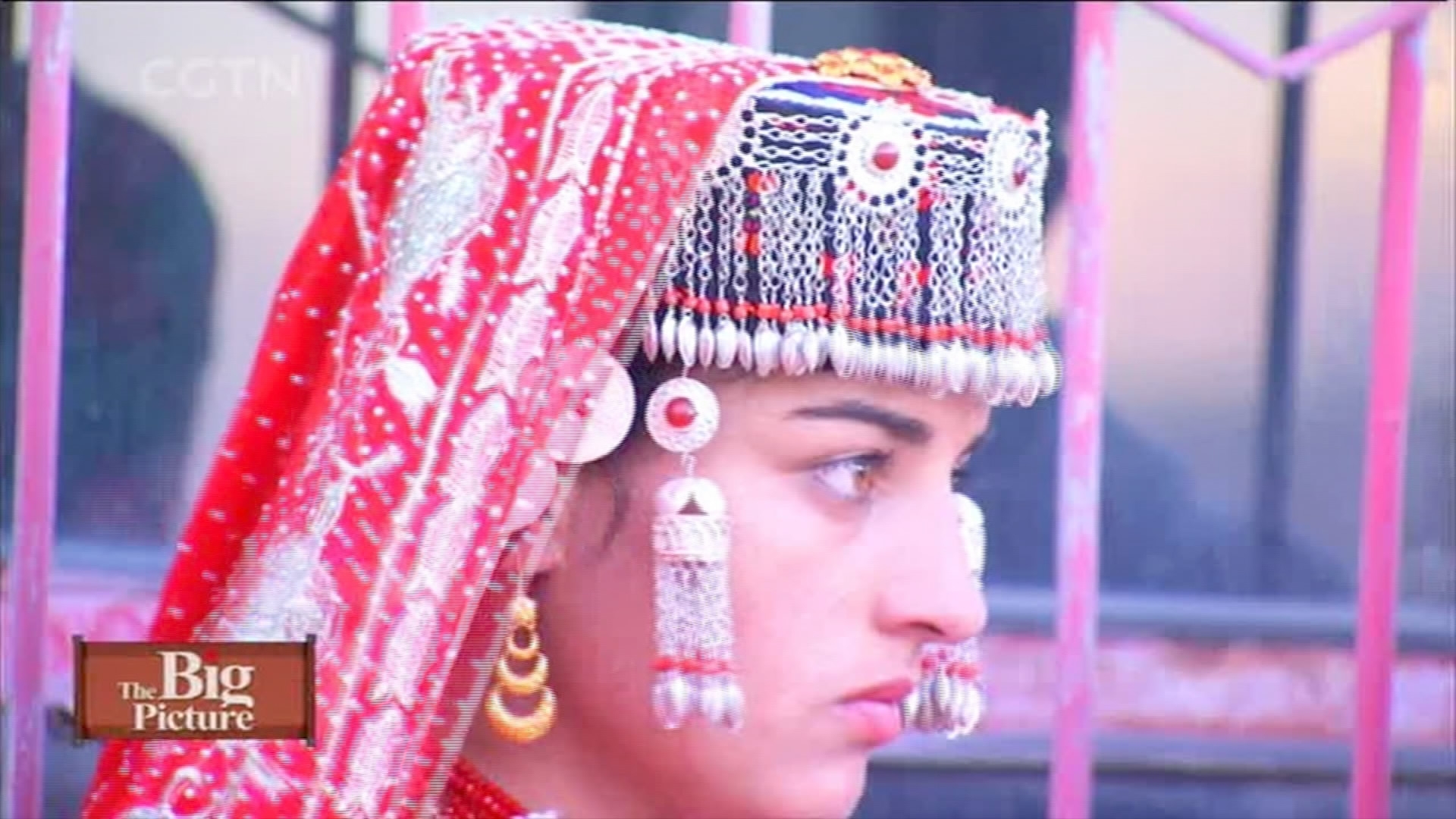
CGTN Photo
CGTN Photo
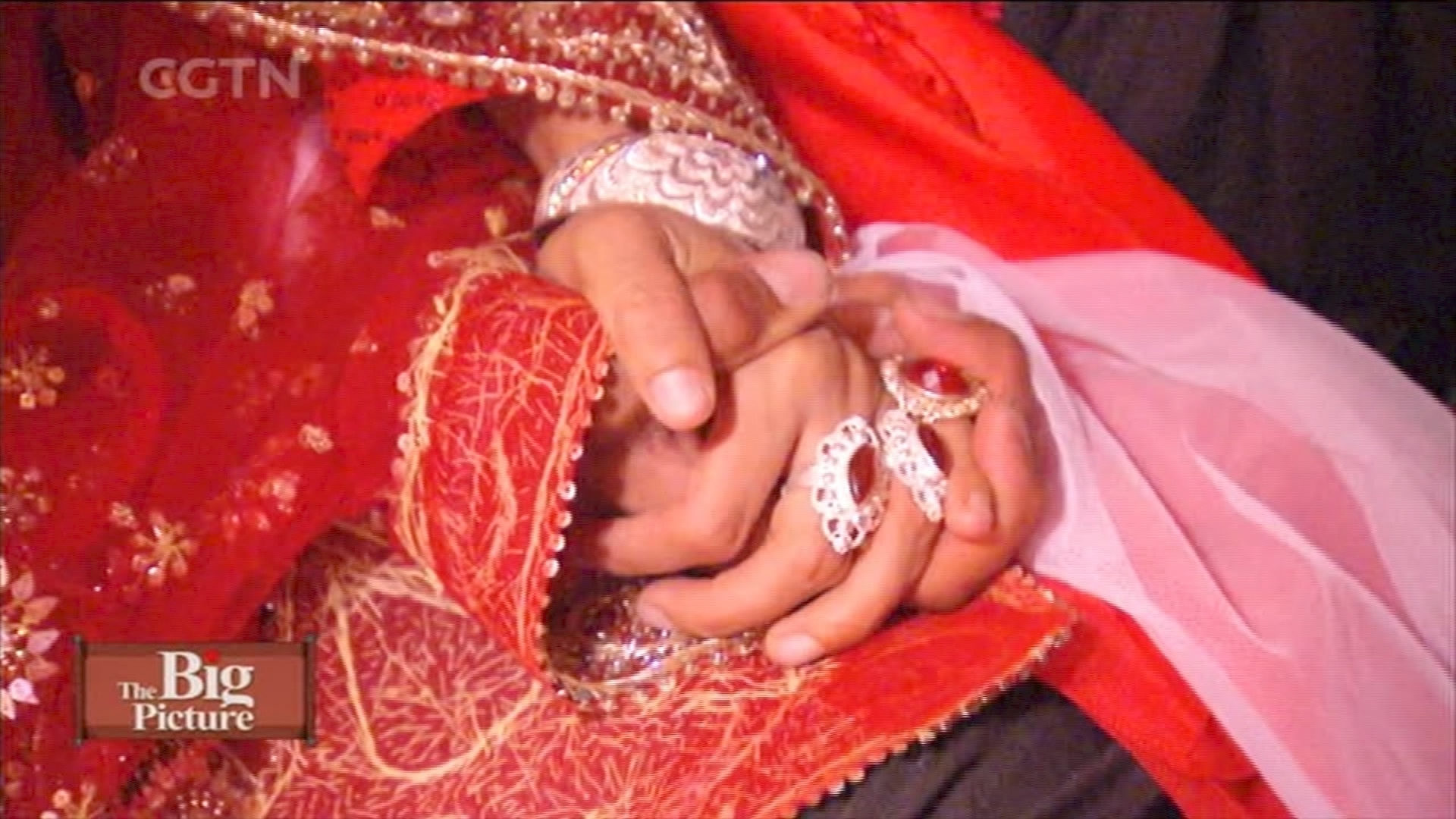
It is a lovely story to behold; the couple have been together for almost 7 years, riding through both the good and bad times.
“We went to college, and then worked a few years. Late marriage reflects progress in society,” says Xiadibike Amirkjiang, the bridegroom in Tashkurgan county, Xinjiang.
“The older generation doesn’t like these changes. But we think they will understand in the end,” Amirkjiang adds.
Such a case shows that even traditions can evolve, too. However, beyond these old "ways of life," traditions within a marriage can also evolve.
CGTN Photo
CGTN Photo
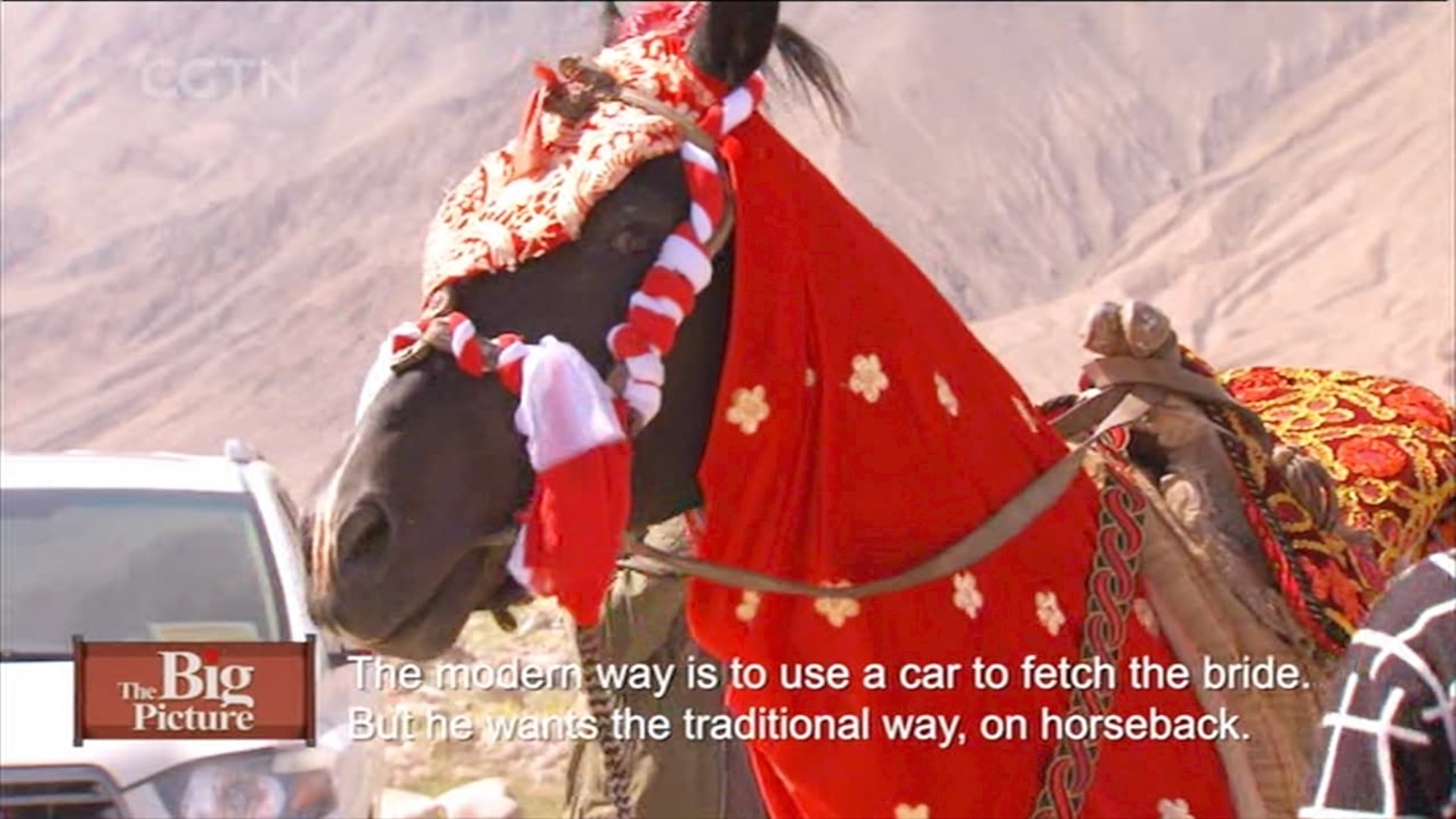
“The modern way is to use a car to fetch the bride. But he wants the traditional way, on horseback,” says Zibaguli Dake, Amirkjiang’s bride, citing, Tajiks are born on horsebacks.
“We had differences on the wedding arrangements. I finally agreed to let him take me home by horse,” Zibaguli says.
Admittedly, it is not easy maintaining one’s culture and traditions if you belong to the minority group. As is with businesses and anything else, it is always easier if you have a dominating share from the start.
CGTN Photo
CGTN Photo
As such, ethnic cultures and minorities are facing challenges to survive today as evident in parts of the world.
Against this backdrop, do we follow suit to these dominant national cultures, or stick tight to our culture? What’s the fine line?
As seen with this Tajik couple, it is possible to preserve your family’s traditions and your own identity, while integrating with the modern society. As long as one’s values are not foregone, no parties are harmed, and there is mutual understanding as well as compromise, who’s the one to say what it is right or wrong?
3592km