
13:04, 18-May-2019
Shan Jixiang: The man who made the Forbidden City less forbidding
Updated
13:00, 21-May-2019
 []
[]
Share







Copied
02:39
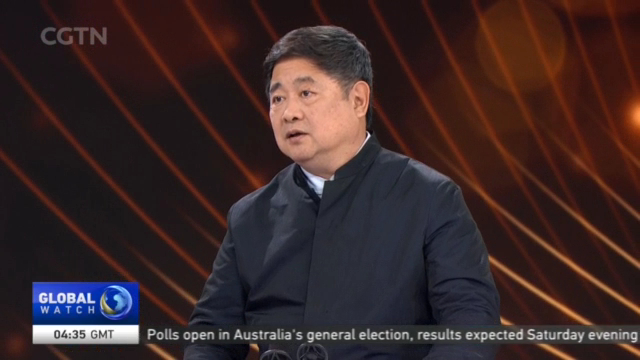
Museums have been places filled with exhibits displayed on the wall or under glass covers. But as digitization booms in recent years, they're also seeking ways to catch up to the trend. Earlier, CGTN reporter spoke with Mr. Shan Jixiang, director of one of China's most famous museums - the Gugong Institute, or Palace Museum. He talked about how the Palace Museum is trying to bridge the distance with its visitors.
SHAN JIXIANG DIRECTOR OF GUGONG INSTITUTE The Palace Museum is the world's only institution with over 10 million visitors a year. But we aim to further expand our presence and share with billions of people. So we must resort to the internet and digital technologies.
Our three studios are producing high-definition materials including videos, photos, and infographics. They are available both on the website and through our mobile apps. The accompanying text comes in both Chinese and English. We especially gear everything toward the tastes of young people.
After years of planning, we've created a series of seven virtual reality productions. Each runs about 25 minutes. People can view both the panorama and the minute details of the Palace Museum at their fingertips.
With the aid of multimedia technologies, people virtually take residence in the Palace Museum throughout the year. They can admire the buildings and grounds at all hours and in all weather conditions. Sights of the snow-clad Palace Museum can attract up to 14 million views on the first day of posting.
Our collaborations with high-tech firms are also very fruitful. Working with Tencent, we're offering international forums for young students across the globe. One of our most successful endeavors has been an online contest in writing music and lyrics for ancient scroll paintings. We received over 500 highly qualified entries from the Chinese-speaking world. It's so inspiring to see how the young students convey their feelings about the Palace Museum.
With this new mindset, we are exploring new ways to make Palace Museum part of people's lives. We have to understand their tastes and preferences. You just mentioned the ancillary products. So far, we've designed about 12 thousand such products. They target all age groups and all countries. They are wonderful souvenirs. They're very effective in bringing the Palace Museum out of Beijing and into the rest of China and the world.