
19:26, 19-Jul-2019
Liangzhu Life: Museum showcases life 5,000 years ago in eastern China
Updated
20:05, 19-Jul-2019

Share






Copied
China's Liangzhu culture dates back about five thousand years. It's said to be the last Neolithic jade culture in the Yangtze River Delta. But thanks to some recent ground-breaking discovery, experts have been able to find out more about how they once lived. A museum in eastern China's Zhejiang Province is now showcasing hundreds of artifacts from the era, and reanimating life back then.
Thanks to modern technology, scientists are now able to unravel many of the finer details about the lives of the Liangzhu people. From unearthed skulls, they deduce that, on average, the male was about 160 centimeters or slightly taller than the average female.
The Liangzhu people also had special tools for production to make their lives easier. For instance, this split stone plow in which they had ready-made parts to replace those that became inadequate.
How did they live? This is carbonized rice. Archaeologists found 180 thousand kilograms of it in a large granary. What's more, their food also included animal protein and collagen, from animals such as pigs.
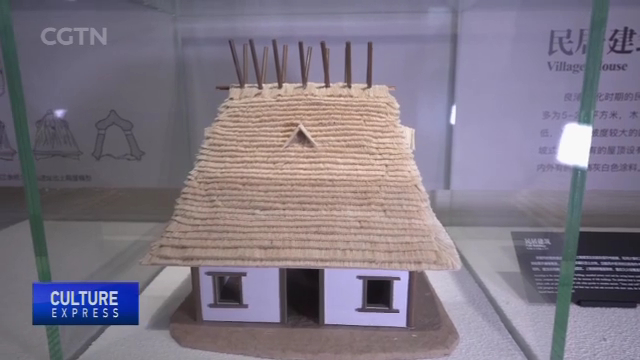
Research shows that the average living space per person was about 5 to 20 square meters. And roof louvers ensured air circulation in the room. Smart, isn't it?
When Liangzhu people traveled, they definitely did so in style. They were very skilled at making bamboo rafts. A seven-meter-long canoe like this could carry several people to celebrate harvests for instance, in a village maybe on the other side of a river.
How did they entertain themselves? They made toys out of black clay. A crocodile, a bird or even a puppy with a wagging tail. Most importantly, they made engravings on their pottery. These characters indicate that they carried nets, bows and arrows. In short, the men loved hunting.
Liangzhu women were highly glamorous in their own right. Look at this jade jewelry. Today, it's said that women always lack the right pair of shoes for creating the perfect outfit. Well, 5,000 years ago, they were always looking for one more piece of jewelry to make them even more beautiful.
The Liangzhu civilization is just like a book, and EACH page is worth of our careful consideration because THIS book tells us exactly WHERE we come from. QIJIE, CGTN.