
17:27, 26-Mar-2019
Common Development for Asia: China's drive to promote free trade zones
Updated
17:20, 29-Mar-2019
 []
[]
Share







Copied
02:05
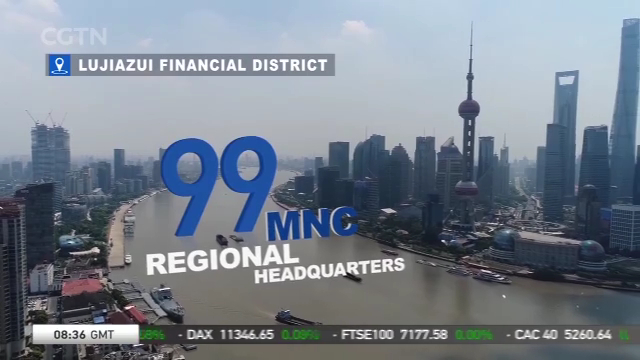
The Chinese government announced the establishment of a free trade zone in the Hainan province in April 2018. Setting up domestics free trade zones is a six-year-old experiment that started in Shanghai. What experience had China garnered?
China now has 12 free trade zones. The mechanism started six years ago in here, Shanghai. Across the river is Lujiazui, the heart of China's financial industry. It attracts foreign companies with the zone's invention: the negative list, and areas that bar foreign capital keep shrinking. As a result, nine of the world's top ten asset management firms have settled in. This area is now also home to 99 regional headquarters of multinational corporations.
Another reform under the free trade zones makes business matters more convenient. From setting up to applying for permits, over 300 procedures can now be done through a single general counter. Business registration process is over 60 percent more efficient so that you can launch a new company in just two days. This is a busy lobby, but actually, sometimes you don't even need to be here physically, as over half of business approvals can be done online on its web portal.
From free trade zones to free trade ports, I am at one of the busiest ports in the world, the Yangshan. Over 40 million containers pass through here every year. Under new measures, all custom clearance procedures can be applied and processed on one platform called the single window. New hardwares are also installed at the latest phase four area, where customs inspections can be done right at the port. Today, trade companies can expect clearance time to go down from one day to two hours. All in all, there are over 150 of these tried and true FTZ new measures, that are now replicated across all free trade zones in the country.