
Politics
17:32, 17-Apr-2018
Macron 'authority' praised as French president bids for EU reform
 ["europe"]
Share






Copied
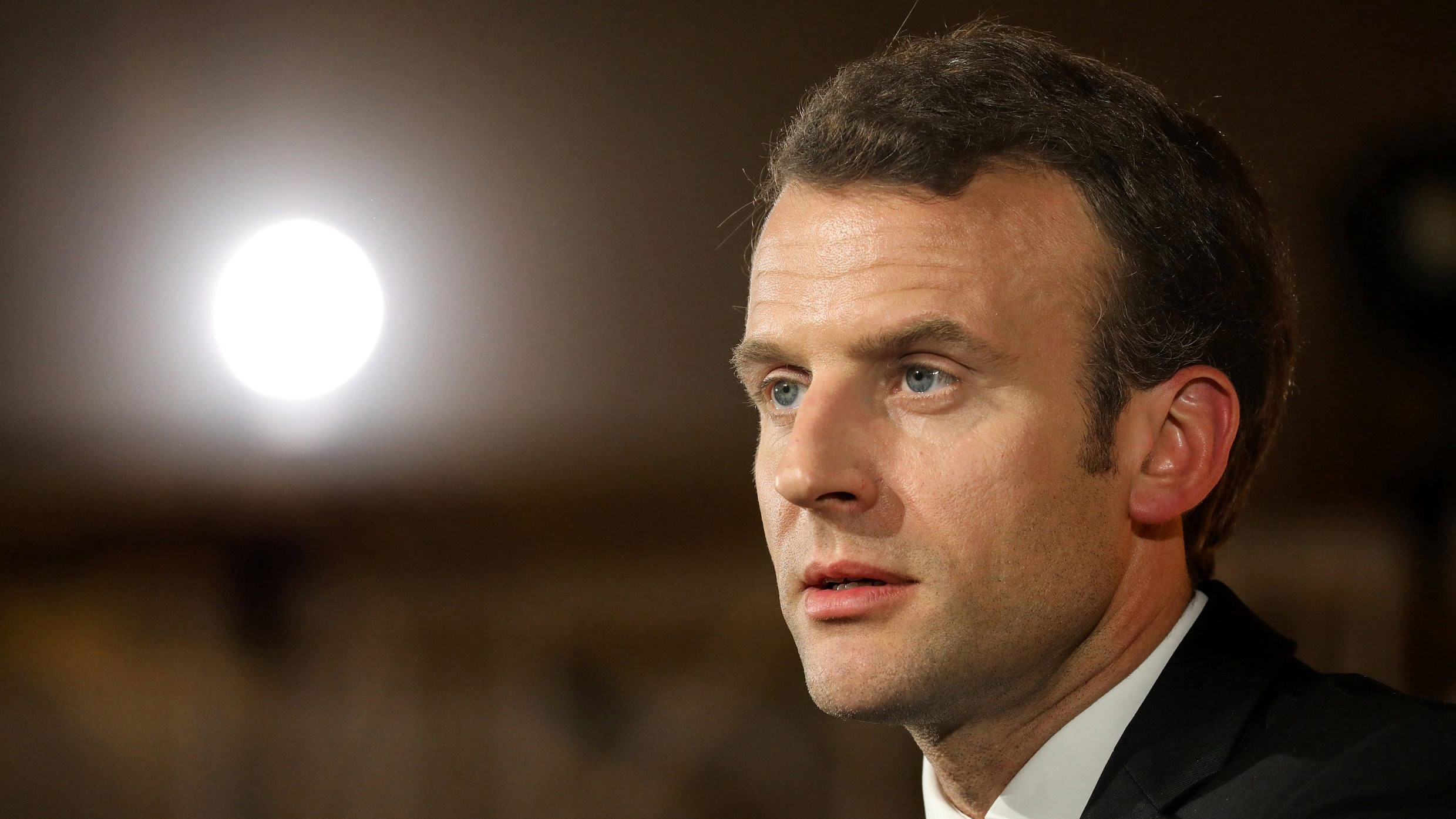
French President Emmanuel Macron will step up his bid to reform and strengthen the European Union this week with his first address to the European Parliament and a face-to-face with Angela Merkel – and on the back of praise from former prime minister Jean-Pierre Raffarin.
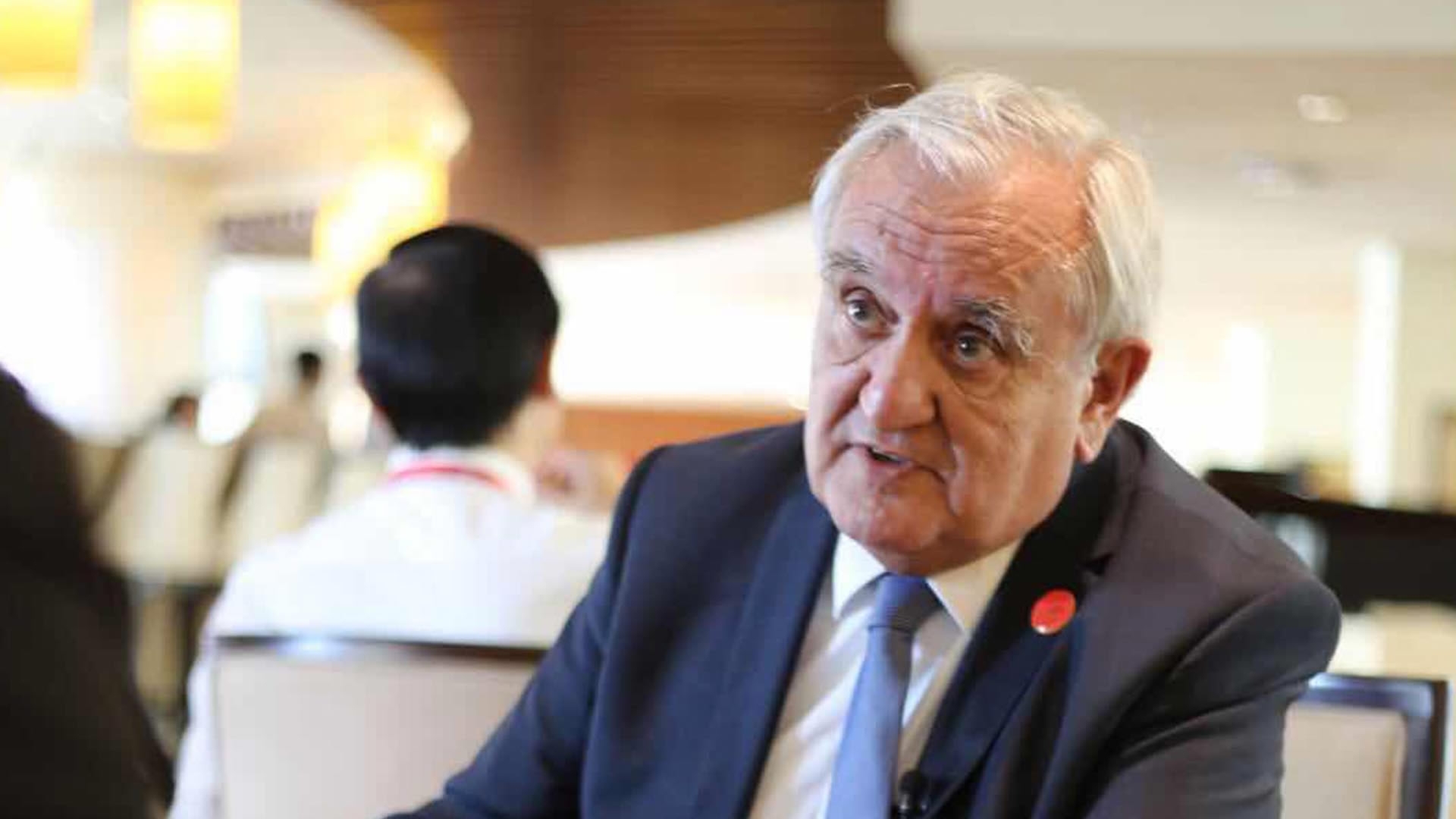
Macron, who has embarked on tough domestic reforms as well as boosting France's engagement on the world stage since taking office in May 2017, was commended by Raffarin in an interview with CGTN Digital last week at the Boao Forum for Asia for his "strong authority."
01:38
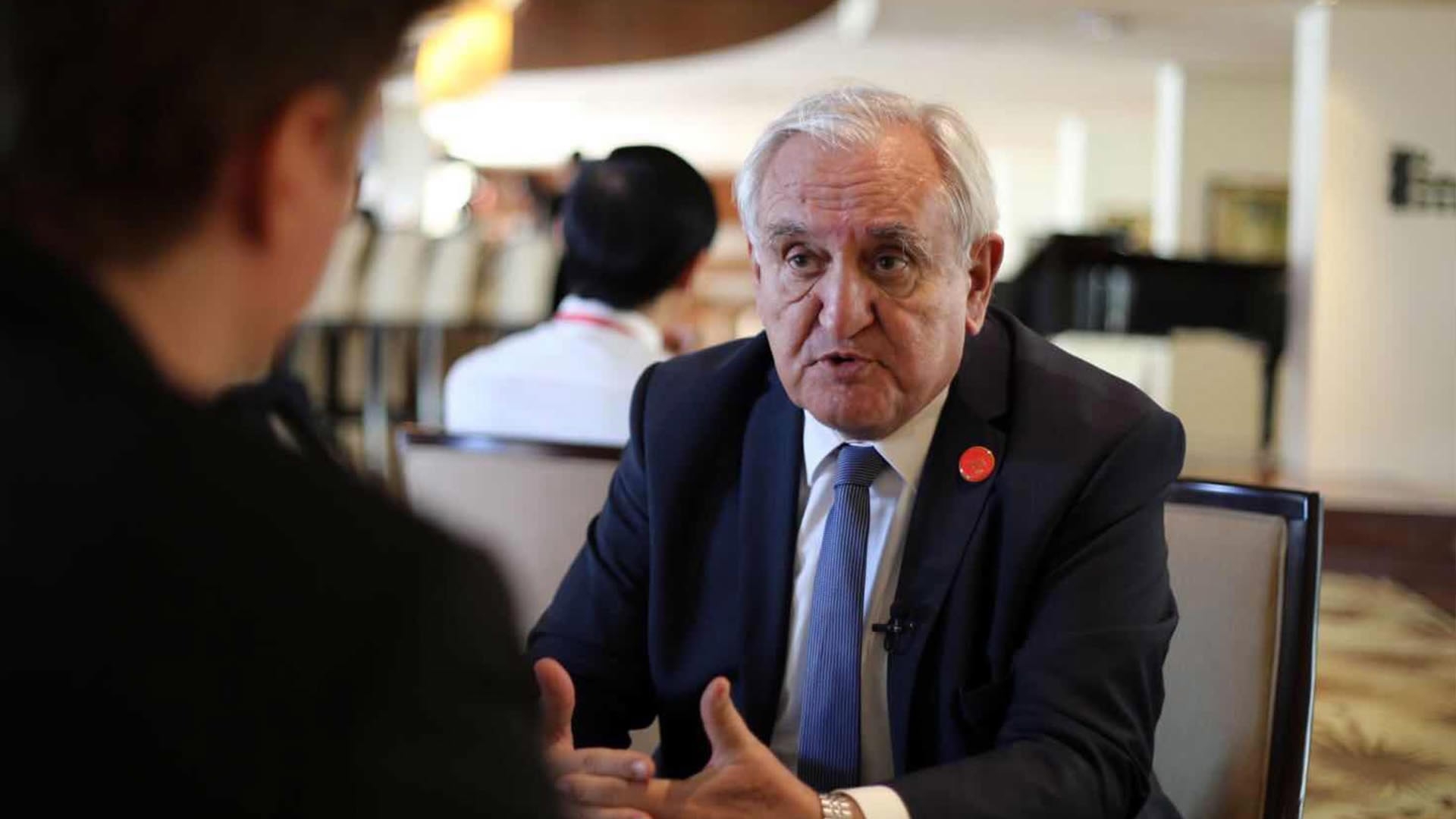
"At the first hour of his power he had authority. You know it is difficult in this function in France to be president – it's a question of authority. And he was a young man, very young. The youngest president we've had. And he had authority at the beginning."
Too much?
Macron went on the front foot at the weekend, making the case for his policies in a near three-hour live television interview. "Yes, I believe in authority," he said in the combative interview, "but authority doesn't mean being almighty."
Some observers have suggested Macron's far-reaching approach to domestic and foreign policy could be too extensive, but Raffarin, who initially supported Alain Juppé in the election campaign, praised the "imaginative" president and stressed that all reform requires courage.
"Not too much, never too much to make reforms because it is so difficult. We need to have a lot of courage. I think he is a very clever man. He is very dynamic."
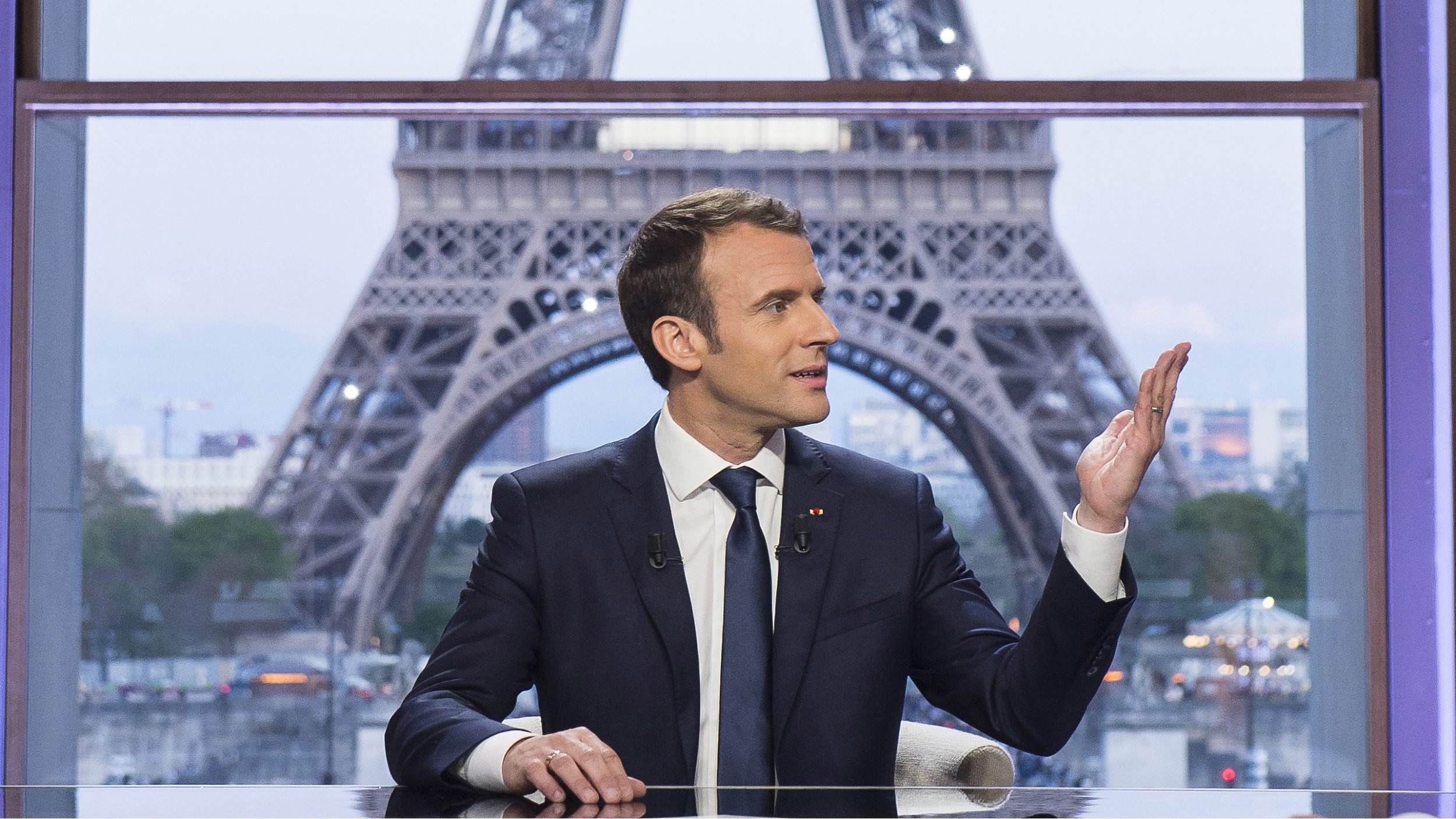
French President Emmanuel Macron on the TV set for an interview at the Theatre National de Chaillot in Paris, on April 15, 2018. /VCG Photo
French President Emmanuel Macron on the TV set for an interview at the Theatre National de Chaillot in Paris, on April 15, 2018. /VCG Photo
The 40-year-old Macron has raised the global profile of France since taking office, but his progress in pushing EU reform has so far been less dramatic.
Comprehensive reform of the eurozone is not thought to be imminent, though Germany and France are in "intensive" discussions, German government spokesman Steffen Seibert said on Monday.
The issue is expected to dominate a face-to-face between Macron and German Chancellor Angela Merkel, who is reportedly facing pushback from her CDU party on the matter, in Berlin on Thursday. A proposal to elect transnational MEPs as part of wider reform of the European Parliament has not been adopted for next year's elections.
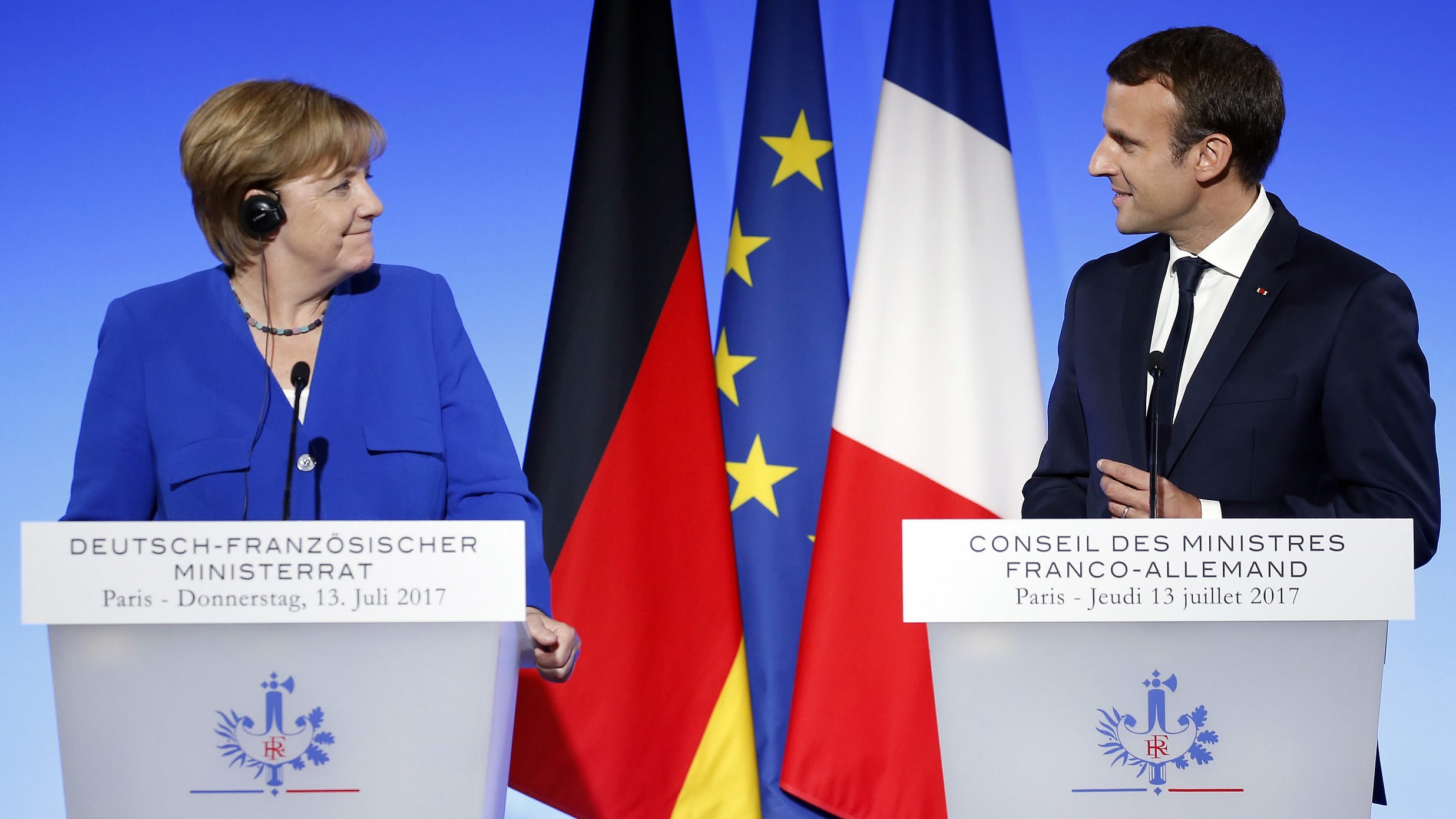
German Chancellor Angela Merkel and French President Emmanuel Macron are scheduled to hold talks in Berlin on April 19, 2018. /VCG Photo
German Chancellor Angela Merkel and French President Emmanuel Macron are scheduled to hold talks in Berlin on April 19, 2018. /VCG Photo
Macron's persistence in attempting to drive reform in the EU is in part to counter the populism seen in recent European elections, Politico quoted a Macron aide as saying on Tuesday. Macron himself said in Sunday's television interview that Europe was experiencing a "rise in illiberalism... the populism of people who call the rule of law into question."
Politico added that the French president believed global threats should push Europe to strengthen its model.
LREM in Europe
The European grouping system – and which, if any, Macron's La Republique En Marche (LREM) party will join – is also under the spotlight. LREM has not signed on with any of the existing groupings, which incorporate parties with similar outlooks from different countries and play a key role in determining top EU posts.
"The established parties are mad with worry,” Nicolai von Ondarza at Berlin’s SWP think-tank told Reuters. “Macron’s new movement could become a power player and tip the scales on the filling of jobs.”
LREM currently has only a handful of MEPs who jumped ship after Macron's election to the presidency, but will stand for the European parliament for the first time in May 2019.
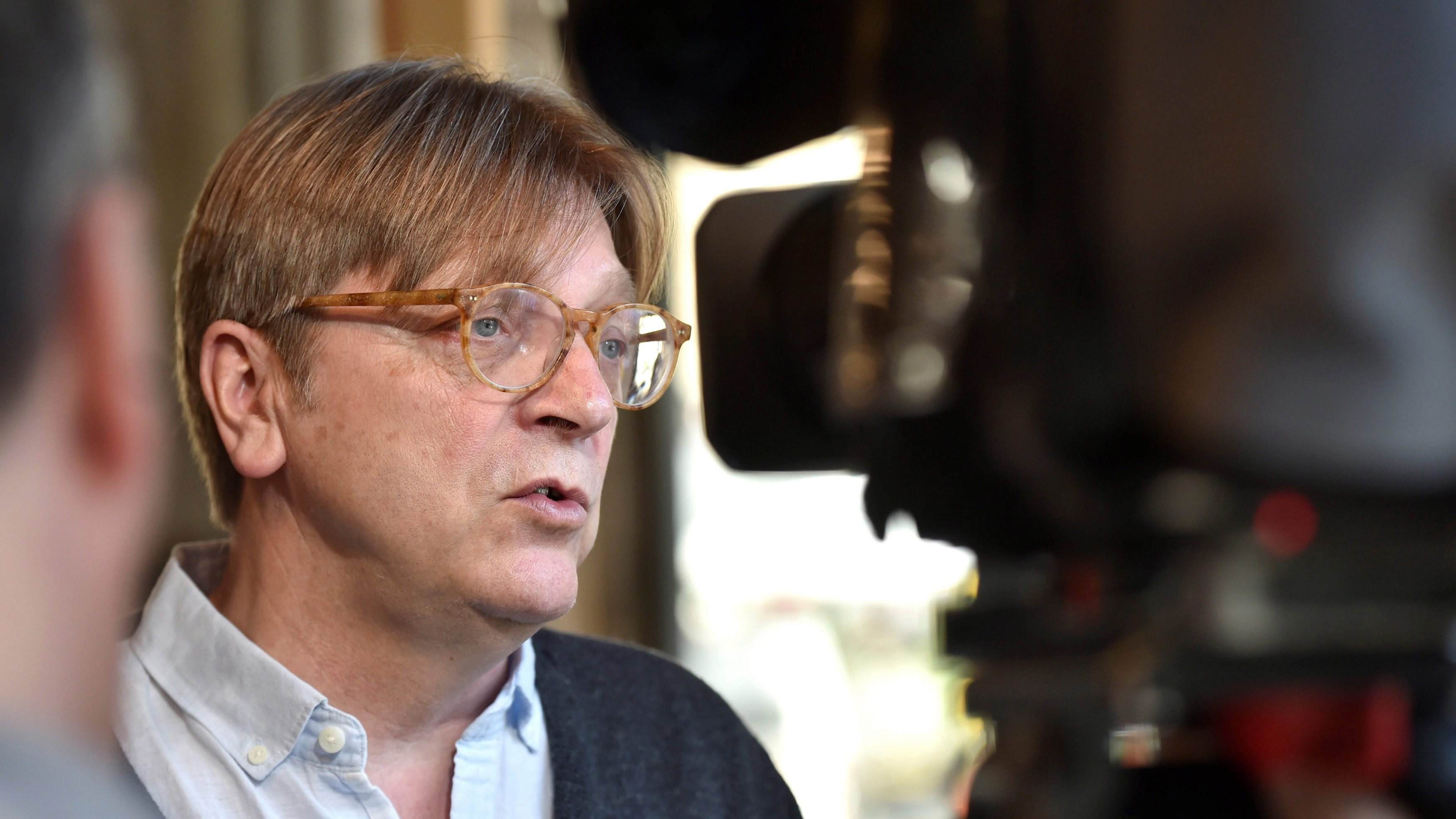
ALDE President Guy Verhofstadt takes part in
the kick-off campaign of La Republique En Marche Benelux, in Brussels, Belgium,
April 7, 2018. /Reuters Photo
ALDE President Guy Verhofstadt takes part in the kick-off campaign of La Republique En Marche Benelux, in Brussels, Belgium, April 7, 2018. /Reuters Photo
Influence in the parliament is linked to being part of a party bloc, and finding a home – or creating a new one – will be vital to driving Macron's reform agenda from within European institutions. Spain's Ciudadanos movement and Italy’s Democratic Party have been linked with LREM, while the head of liberal grouping ALDE, Guy Verhofstadt, attended a recent campaign event held by Macron's party.
"En Marche is making contacts with parties who think the same,” a Macron aide told Reuters. “For the moment, it’s a European networking effort.”
France and Brexit
The reform drive has to-date been complicated by the lengthy negotiations to form a new government in Germany, as well as the ongoing Brexit negotiations.
The likely eventual exit of Britain – long opposed to further integration – from the EU could open the door wider to reform down the line, however.
Raffarin was clear that he felt Brexit was "not a good solution" for the UK, and expressed hope that another answer could yet be found. "You know, I am not a supporter of leave," he smiled.
01:32
Fundamental to the relationship Britain has with other countries post-Brexit will be the final deal it strikes with the EU, China's Ambassador to Brussels Zhang Ming said at the weekend.
"If there is not a Brexit deal, there won’t be things to talk about after that,” Zhang told Politico. “If the EU and the UK fail to reach agreement in the first place, the UK’s agreements with other parties may have to face great uncertainties.”
The final deal will therefore be vital to Britain's wider relationships, and France will have a major say in it. For Raffarin, security is the issue France and Britain should prioritize.
"I think that France and Britain have to work together for one main reason. Security strategy and defense organization. We have good cooperation between France and the UK in all defense affairs. And we have to protect all that work, which is very important for the security of Europe."