
Business
21:48, 10-Mar-2018
US further dilutes tariffs under pressure from allies
 ["china"]
Share






Copied
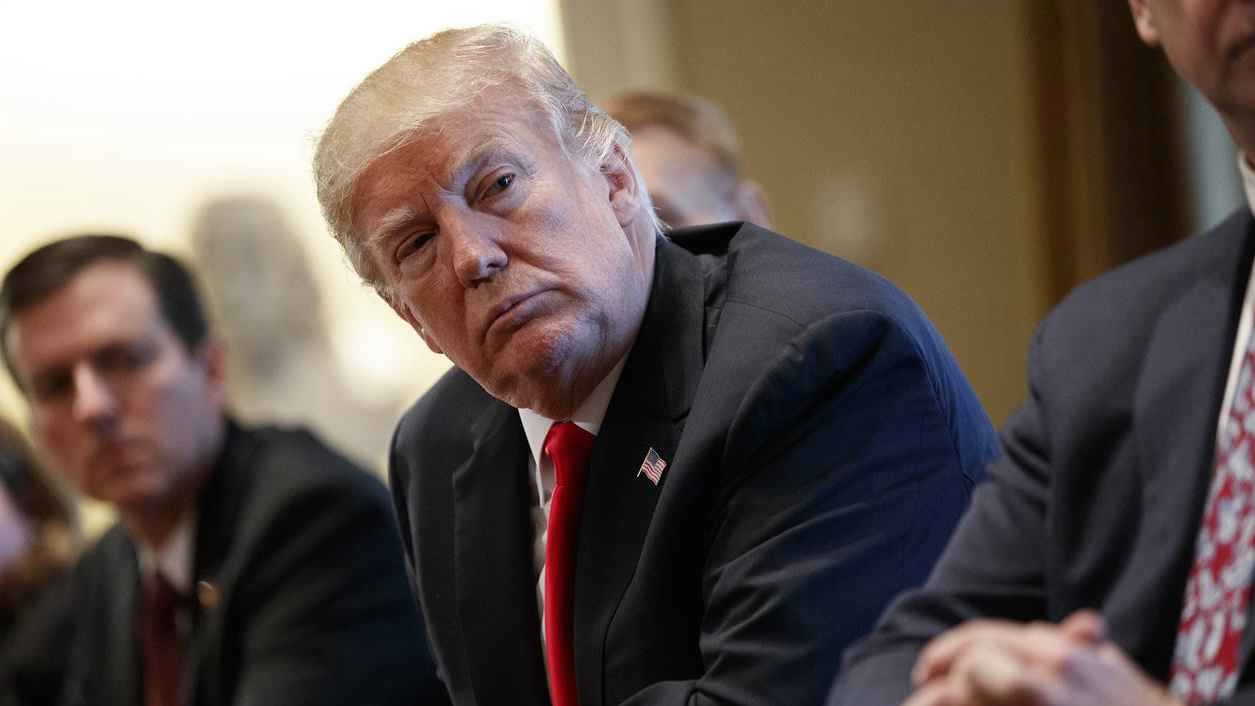
The United States opened the way for more exemptions from its steel and aluminum tariffs on Friday, after pressure from allies and intense lobbying from lawmakers, further diluting the measures just a day after they were formally announced.
President Donald Trump, who has broad powers to impose the tariffs of 25 percent on steel imports and 10 percent on aluminum, at the outset granted exemptions to Canada and Mexico, and said there would be the possibility of industry exemptions, although he has not been specific.
Trump tweeted on Friday that he spoke with Australian Prime Minister Malcolm Turnbull about trade and military cooperation. “Working very quickly on a security agreement so we don’t have to impose steel or aluminum tariffs on our ally, the great nation of Australia!” Trump said.
When proposed tariffs were initially announced, stock markets went into a tail spin on concerns they would ignite a global trade war. But since Trump signaled that exemptions were possible, reaction has been measured, and counter threats have been carefully calibrated so far.
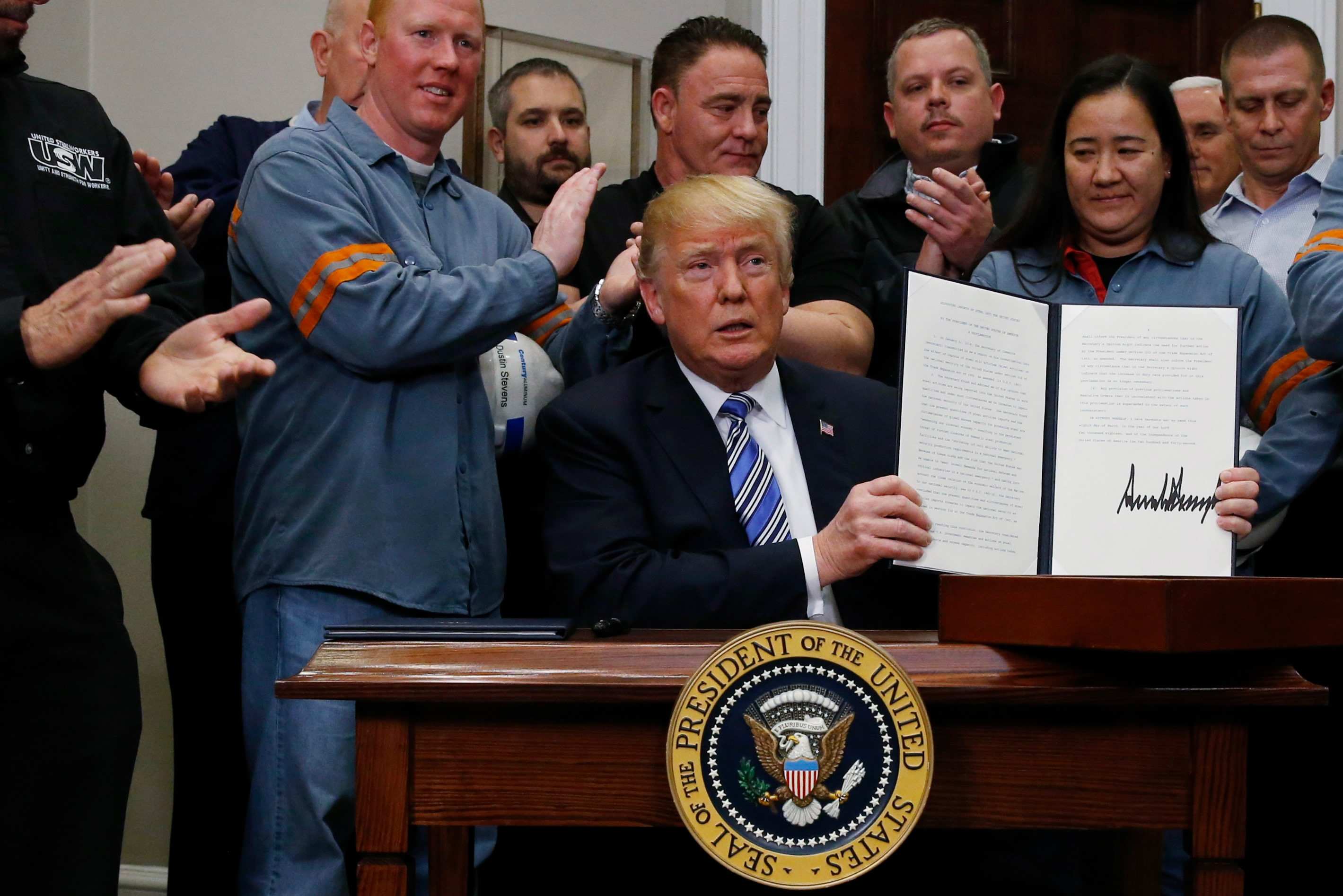
US President Donald Trump holds up a proclamation during a ceremony to establish tariffs on steel and aluminium at the White House in Washington./ Reuters photo.
US President Donald Trump holds up a proclamation during a ceremony to establish tariffs on steel and aluminium at the White House in Washington./ Reuters photo.
Tokyo and Brussels rejected any suggestion that their exports to the United States threatened the country’s national security – Trump’s justification for imposing the tariffs despite warnings at home and abroad that they could provoke a global trade war.
“We are an ally, not a threat,” European Commission Vice President Jyrki Katainen said.
Beijing vowed to “firmly defend its legitimate rights and interests.” Tariffs would “seriously impact the normal order of international trade,” the Commerce Ministry said.
China’s metals industry issued the country’s most explicit threat yet in the row, urging the government to retaliate by targeting US coal – a sector that is central to Trump’s political base and his election pledge to restore American industries and blue-collar jobs.
Brazil, which after Canada is the biggest steel supplier to the US market, said it wanted to join the exemption list, and Argentina made a similar case.
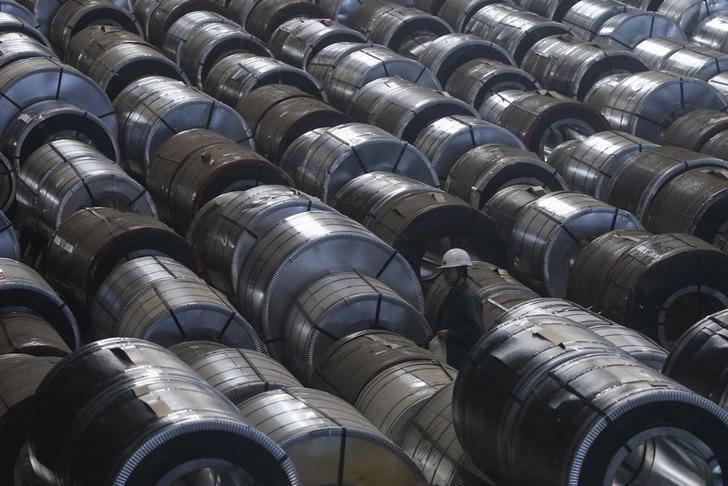
Reuters photo.
Reuters photo.
Japan, the United States’ top economic and military ally in Asia, was next in line. Chief Cabinet Secretary Yoshihide Suga told a news conference that Japan’s steel and aluminum shipments posed no threat to US national security.
The European Union, the world’s biggest trade bloc, chimed in. “Europe is certainly not a threat to American internal security so we expect to be excluded,” European Trade Commissioner Cecilia Malmstrom said in Brussels.
The dispute has fueled concerns that soybeans, the United States’ most valuable export to China, might be caught up in the row after Beijing launched an inquiry into imports of US sorghum, a grain used in animal feed and liquor.
South Korea, the third-largest steel exporter to the United States and a strategic ally on the Korean Peninsula, called for calm. “We should prevent a trade war situation from excessive protectionism, in which the entire world harms each other,” Trade Minister Paik Un-gyu told a meeting with steelmakers.
Source(s): Reuters