
Culture
14:41, 02-Oct-2017
The Big Picture: Preserving tea-making traditions
 ["china"]
Share







Copied
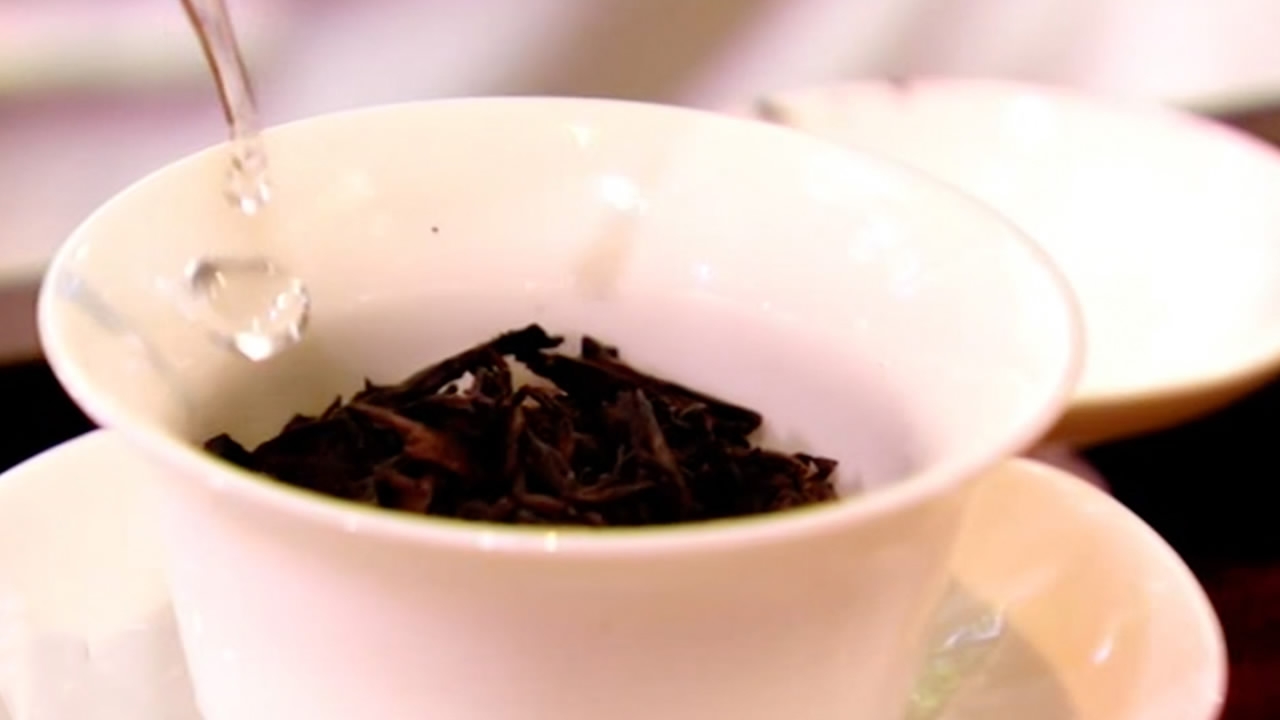
The act of drinking tea runs deep in Chinese culture and traditions.
Although the popularity of coffee has risen in the country, between coffee and tea, most locals still pick the latter.
CGTN reporter Han Bin explores how keeping these old traditions alive can be a challenging feat.

CGTN Photo
CGTN Photo
Huang Shengliang, a Tea Master at Wuyi Mountain, Fujian says drinking and making tea has been ingrained in him since he was young.
“The tea gardens were the best playgrounds in our childhood. Our parents usually took us to pick tea leaves on the mountains, and brought us to see how tea is processed,” he shared.
“It’s more than just drinking for pleasure; it’s a way of life to connect people,” the 40-year old added.
The Wuyi Mountain in Fujian is a World Cultural and Natural Heritage Site, and this is where Wuyi Rock Tea was born.
Delicate skill sets
Huang says while selecting tea leaves is the first step towards determining the quality of the tea, making tea requires much more than that – it requires skills built over many years.
A very important trait in making tea the traditional way is also patience, and putting whole lot of heart into it. The end-to-end process of making the Wuyi Rock Tea is all done by hand, including bruising leaves’ surface to release its juice and enhance oxidation.
Although the tea is made by hand, Huang deems the tea’s production process as the world’s most advanced technology.

CGTN Photo
CGTN Photo
“It’s been achieved by the people here through hundreds of years of hard work and experience. As a craftsman, the only way to produce good quality tea is to resist the temptation of commercialization,” says Huang.
Wu De, a Tea Master, concurs. “Long after you and I are gone, people can still drink this tea. Because the Huangs have worked hard to pass on this method of processing, so that it will still be here,” he says.
Huang hopes the tea can get world recognition one day. But his dream also comes during a time when machines are slowly but surely replacing human workers, in need of speed and efficiency.
Environment key to preserving tea leaves
The tradition of making tea has been in Huang’s family for 12 generations.
It’s commendable, if you take heed from this saying that: Most family businesses can’t last past three generations. (Of course, in Huang’s case his family still keeps the tea-making traditions close to heart without having given in to commercialization.)

CGTN Photo
CGTN Photo
Huang’s biggest concern lies in the environment, where he hopes more can be done to protect the ecosystem.
“Only when we can protect this patch of landscape, we can protect this patch of tea garden. The inner quality of tea relies on the water and mountains,” he says.
This is also because tea leaves grow their best in an environment with consistent humidity, and less soil. As they say, "Take care and bless the hands that feed you."
Huang has even preserved his tea in a tea cellar, in hopes of preserving this tradition for years to come.