
Tech & Sci
13:35, 28-Sep-2017
The Big Picture: will Artificial Intelligence replace humans?
 ["china"]
Share







Copied
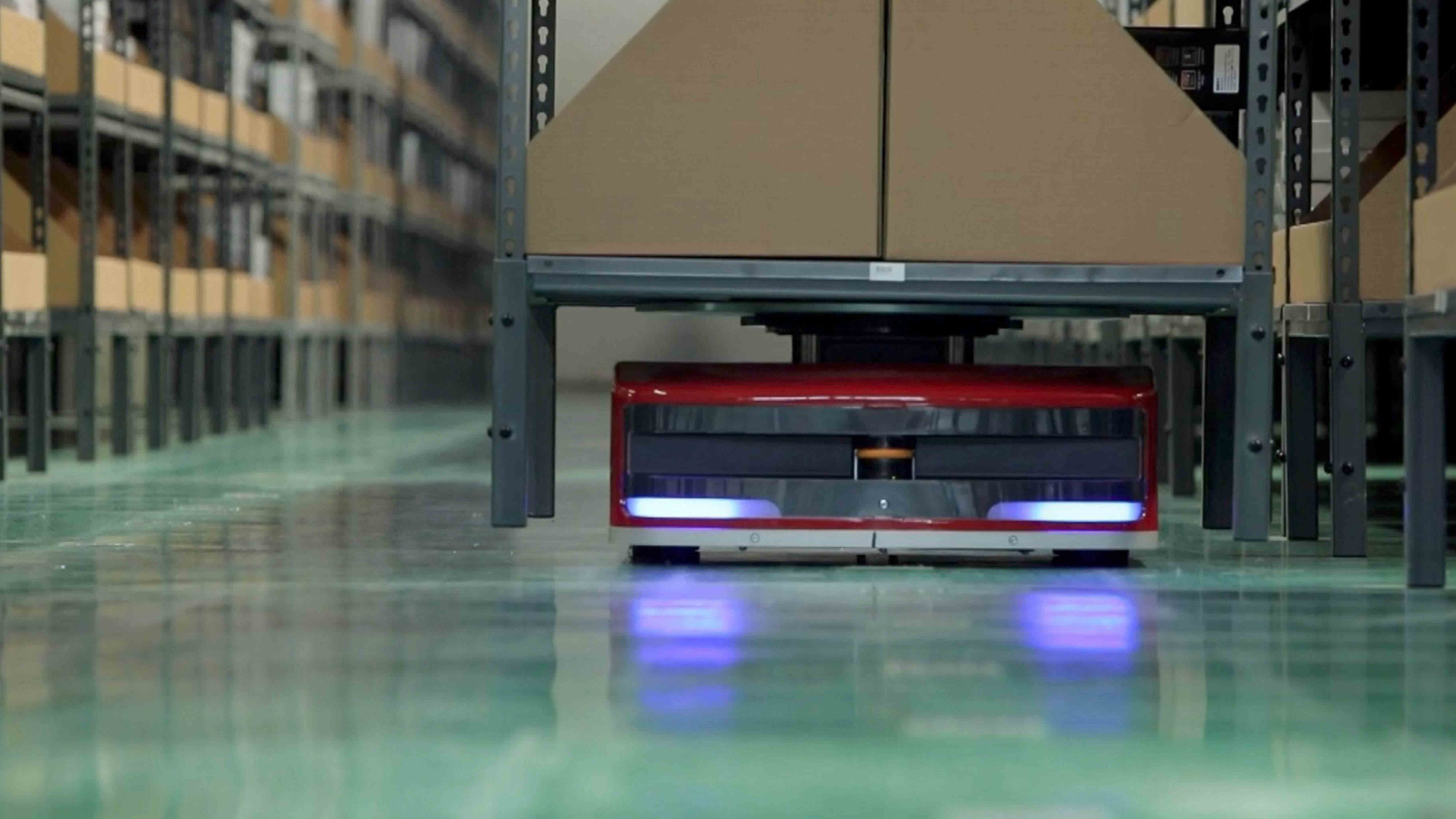
Artificial intelligence (AI) is the latest technology buzz word. Now people can not only read about it in the news, but also experience it in their daily lives.
JD.com, China’s Amazon-equivalent, is getting smarter by adopting new technologies. The company is partly managed by robots. Machines are able to read the shelves, carry the boxes, and move them around – much quicker and more efficient than human workers.

Xiao Jun, vice president of JD.com. /CGTN Photo
Xiao Jun, vice president of JD.com. /CGTN Photo
“We will put more robots and artificial intelligence into our operation. For example, a well-programmed robotic arm can sort one package per second, something out of the question for humans,” said Xiao Jun, Vice President of JD.com.
Speed is the key to delivery. Another innovation has taken the technology world by storm – drones.

JD's J-drone is on the way to deliver a package. /CGTN Photo
JD's J-drone is on the way to deliver a package. /CGTN Photo
JD’s J-drone can carry 10 kilograms of goods and travel 50 kilometers at one go. Although it is not fully automatic yet, it is now in operation. This means humans still have a role to play – to load, unload, and control the drones.
“Humans will take on more sophisticated jobs. They may be the designers and controllers of robots. And they can teach machines to do things and be better at doing things,” Xiao said.

J-drone controller training room. /CGTN Photo
J-drone controller training room. /CGTN Photo
The 56 robots hired by JD.com may only be taking care of 5,000 square meters for now. The 58 billion-US dollar company still relies on its 120,000-strong workforce. But who knows how this landscape will change in time?
While it is difficult to imagine just yet how far robots can take over humans’ lives, one thing is for sure: we humans have to continuously upgrade ourselves to remain relevant.
It is human beings who built and created the machines after all.
