
14:47, 24-May-2019
Pet Crackdown: US halts imported dogs from Egypt over rabies concerns
Updated
14:40, 27-May-2019
 []
[]
Share







Copied
02:58
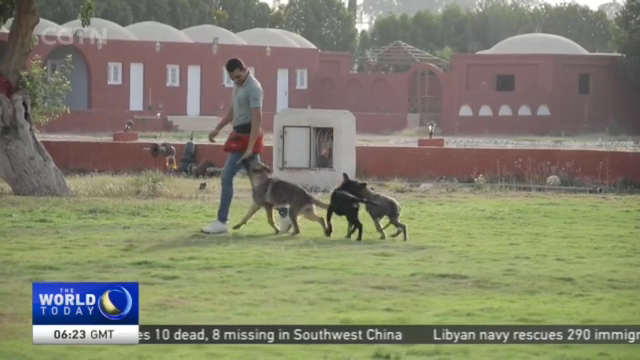
The US Centers for Disease Control and Prevention has put a hold on the importation of dogs from Egypt. The agency says it's taking the action to protect public health and prevent the re-introduction of dog rabies, which has been eliminated from the United States since 2007. Here's CGTN's Adel EL Mahrouky with the details.
With about 50% market share in the pets industry in the Middle East and Africa, Egypt is the biggest Canine breeding and training market.
Individuals are expected to be spending some $600Mn dollars by 2021. Many Egyptian security dogs training facilities like this one, depend largely on exportation.
MEDHAT EL HEREISHY, GENERAL MANAGER ANUBIS K9 FACILITY "The entire middle east depends on Egyptian experts to train dogs. Egypt has a remarkable reputation in Europe as well. The cost of training and accommodating a dog in Egypt is very little, that's why it's attractive for the US and Europe. The law guarantees that all dogs leave the country are disease free."
However, according to the US Center for Disease Control, three Egyptian dogs infected with Rabies were reported since 2015. What made the CDC ban dogs coming from Egypt.
KHALED EL HIATMY, FOUNDER ANUBIS SECURITY "I think it's unfair, because three cases in four years, that's a very tiny number. And these kind of mistakes can happen from dogs imported from any country. Germany and Dubai require blood samples sent to the country itself to do the tests in their lab, then they give approval. There is a lag of regulations from their own side, not from the Egyptian side."
Khalid el Hiatmy is specialized in training security dogs. His biggest clients are in the US and Iraq.
He fears the CDC's decision could encourage other countries to take similar measures, which would inflict a serious crisis in Egypt's Canine business.
KHALED EL HIATMY, FOUNDER ANUBIS SECURITY "If the CDC did that, we are scared that it might affect Europe and European countries and the Arabian countries may copy them and it will be bad for the business and for the people travelling with their own dogs. Our contacts we might get limited dogs to the US, but it may require sending the medical documents months earlier, instead of the few days notice that used to be there."
The US has been rabies free since 2007. CDC says that importing one infected dog could reintroduce the virus, a risk it won't take. Meanwhile, until the issue is resolved, training facilities and dog shelters exportation to the US will slow down tremendously. Adel EL Mahrouky CGTN CA.