
16:33, 21-May-2019
Colombia's Fragile Peace: FARC leader hospitalized as US seeks his extradition
Updated
16:30, 24-May-2019
 []
[]
Share







Copied
02:26
Now we turn to Colombia. The US has attempted to extradite a leader of FARC -- or the Revolutionary Armed Forces of Colombia -- from the country. But the move is threatening to disrupt the country's fragile peace accord. Our correspondent Michelle Begue has more from Bogota.
The latest drama in the Colombian peace process involves FARC leader, "Jesus Santrich." Last week, a Colombian tribunal - called the Special Jurisdiction for Peace - ruled that Santrich should NOT be extradited to the U.S., where he faces charges for drug trafficking. The tribunal also said he should be released.
That's what was happening last Friday when Colombian police re-arrested him. Then on Saturday, Santrich went into intensive care after suffering a heart attack. There are media reports that his heart attack may have been induced by poison.
Two of Colombia's top law enforcement officials who favored extradition resigned. The FARC had financed its operations by trafficking cocaine to the U.S. Before extraditing Santrich, the tribunal wanted evidence that he continued to do this after the peace accord.
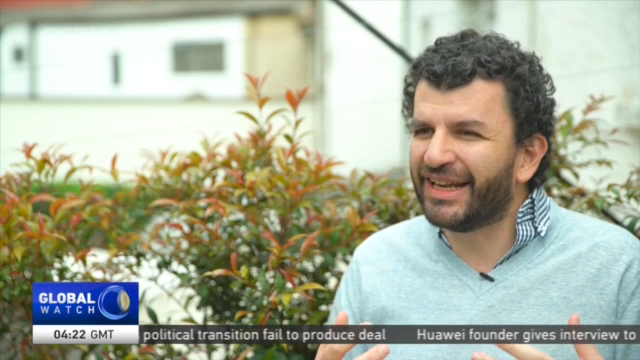
JUAN ESTEBAN, DIRECTOR LA SILLA VACIA "The transitional peace court requested evidence of the case to the U.S., and the U.S. decided not to send it. In the end, the U.S. was a primary actor in this case and the one who lost the most was the U.S."
Before the latest twists in the Santrich case, the U.S. embassy revoked the visas of three top Colombian judges. Colombian officials expressed concerns that the U.S. was trying to compromise the "impartiality of judges." The U.S. has since reissued the visas.
JUAN ESTEBAN, DIRECTOR LA SILLA VACIA "The Special Peace Tribunal is sending a strong message to the U.S. that Colombia has a solid peace treaty and that the victims are what matters to the courts and not the U.S. Justice system."
Colombian President Ivan Duque said he backed Santrich's re-arrest, and called for a meeting with political leaders to discuss the situation.
One analyst here says the refusal to extradite Santrich shows Colombia will not bow to pressure from Washington, but there are different interpretations of this chaotic situation.
ANDRES FELIPE CONSTITUTIONAL LAW EXPERT "For the U.S., the Colombian government may look like they are not in control, but for the European Union who sponsored the peace process, Colombia's sovereignty is more institutionalized, and respects what was agreed upon."
MICHELLE BEGUE BOGOTA "The FARC political party called an emergency meeting where it confirmed its commitment to Colombia's peace agreement. Michelle Begue, CGTN, Bogota, Colombia."