
18:30, 18-Mar-2019
Genocide Memorial: S. African center examines acts of ethnic cleansing
Updated
18:20, 21-Mar-2019
 []
[]
Share







Copied
03:49
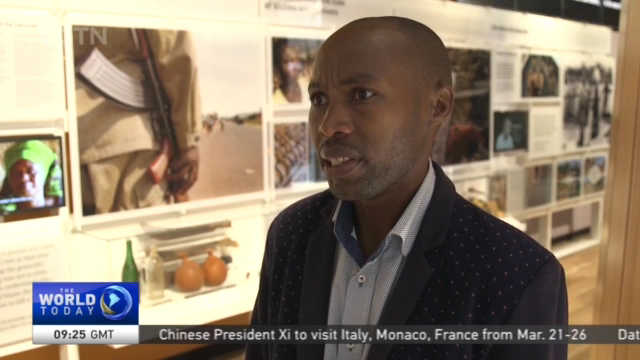
To South Africa where a state-of-the-art centre which examines global acts of ethnic cleansing has opened in the country's largest city, Johannesburg. CGTN's Yolisa Njamela has more.
The curated exhibition explores the history of genocide in the 20th century with a focus on the case studies of Holocaust. And the Rwandan genocide which resulted in the mass slaughter of people, mostly of the Tutsi minority.
TALI NATES, DIRECTOR JOHANNESBURG HOLOCAUST & GENOCIDE CENTRE "We decided to focus on two main case studies, one the holocaust that was during of course during world war when many many nations were involved and many were impacted by genocide or other atrocities in crimes against humanity. We also moved to tell the story of Rwanda 25 years ago. This year the genocide in Rwanda was exactly at the same time a South African moved to democracy. We commemorate 25 years in both events and we decided to focus on both because the lessons are so important here in South Africa."
Stories told here are complex and agonizing. Items such as these clothes from victims and survivors of the Rwandan genocide for instance, convey the toll these events took on ordinary people. Sylvestre Sendacyeye is a survivor of the Rwanda genocide. He was only 14 years old when he hid in a Kigali church and watched the murder of his parents and three siblings.
SYLVESTRE SENDACYEYE RWANDA GENOCIDE SURVIVOR "What happened in the past, we've been seeing the holocaust in history. Myself, I'm the witness of genocide and the survivor of genocide. I wish that we can prevent the ugly wars of genocide which we should fight all sort of racism and violence against humans. When people come here they see what happened, they carry the message to the people outside that have never been here especially those young ones."
The story of Sendacyeye and that of holocaust survivor Don Kraus are part of the permanent exhibition here.
DON KRAUS HOLOCAUST SURVIVOR "To learn from it to teach the other generations. How do you bring yourself to kill a child? That is the lesson. Never mind what anybody says, there must be something in you that tells you, this is wrong, don't do this."
The centre director says the centre will also feature temporary exhibitions on other genocidal acts, such as the ethnic cleansing in Bosnia in the 1990s, the war in Sudan's Darfur region and others.
TALI NATES, DIRECTOR JOHANNESBURG HOLOCAUST & GENOCIDE CENTRE "We hope the people that will come here, learners, students, educators, the public will come out really with a determination to become active citizens, activists in the society to become those that will be witnesses of prosecutions of the past in carrying the message forward that it will never happen again."
The centre will also teach people about the consequences of prejudice, racism, homophobia, xenophobia and the dangers of apathy and silence.
YOLISA NJAMELA JOHANNESBURG, SOUTH AFRICA "While the events may have happened a long time ago and far from South Africa, curators here say the lessons are actually more important today than ever."
Lest we forget. Yolisa Njamela, CGTN, Johannesburg, South Africa.