
13:17, 14-Apr-2019
Combating Child Abuse: 2 high-profile cases raise social awareness in Japan
Updated
13:10, 17-Apr-2019
 []
[]
Share







Copied
03:08
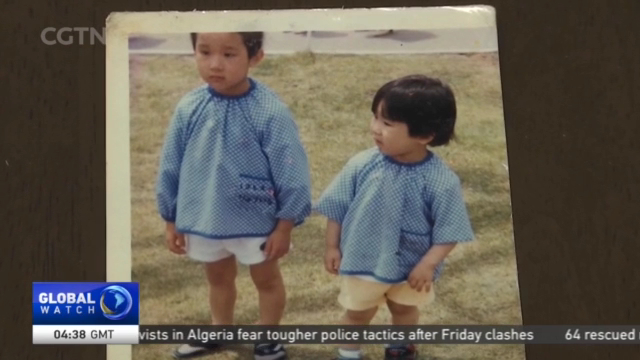
Over to Japan, where cases of child abuse are growing at an alarming rate. In the past year, two high-profile cases have captivated the nation. Both were seemingly preventable after the children had allegedly sought protection from authorities. What has been done to combat the problem since then? Mayu Yoshida finds out.
Ryusei Hashimoto was physically abused by his father when he was young. At first, he was reluctant to speak out about his past. But over the years, he has found the courage to share his experience with others.
RYUSEI HASHIMOTO CHILD ABUSE SURVIVOR "Beating and kicking was very common every day. I was ironed, sometimes locked outside naked on a winter day. My father and step-mother would tell me every day that I should rather die."
Up until recently, corporal punishment in Japan was not a criminal offense. But two recent high-profile cases in Japan have raised calls for stricter laws. Legislation to ban corporal punishment is now making its way through parliamentary proceedings.
MAYU YOSHIDA TOKYO "Corporal punishment is now banned in more than 50 countries. But for a long time, physical punishment by parents was accepted in Japanese society in the name of discipline. This recently sparked international criticism against Japan, especially after a series of high-profile cases that involved young children who were killed by the people who were supposed to take care of them."
Police data shows the number of suspected child abuse cases hit a record high in 2018. That's up more than 20% from a year earlier.
Authorities say part of the reason is that rising social awareness is encouraging more people to report alleged cases of abuse. But despite growing awareness and tougher laws, critics point to an overall lack of support for abused children.
Child welfare centers are struggling to cope with a surge in child abuse cases because of inadequate resources and expertise to protect the victims.
DR. FUJIKO YAMADA JAPANESE MEDICAL SOCIETY ON CHILD ABUSE & NEGLECT "Unlike other developed nations, welfare workers in Japan are generalists and not specialists, lacking enough skills in child abuse prevention measures. They have also long focused on supporting the parents not the children. That's why at times abused or neglected children are sometimes sent back to their parents too early."
Hashimoto believes that nothing will change unless people know what's happening behind closed doors.
RYUSEI HASHIMOTO CHILD ABUSE SURVIVOR "I always feared whether I would hurt my children like my father did. It's important for people like us, child abuse survivors, to get the words out not to repeat the same mistake."
He's now determined to share the love he couldn't get with his two young children to prove that survivors can break the cycle of abuse. MY, CGTN, TOKYO.