
19:52, 02-May-2019
Intl. Horticultural Exhibition: Welcome to traditional Japanese rock garden in Tokyo
Updated
19:50, 05-May-2019
 []
[]
Share







Copied
01:51
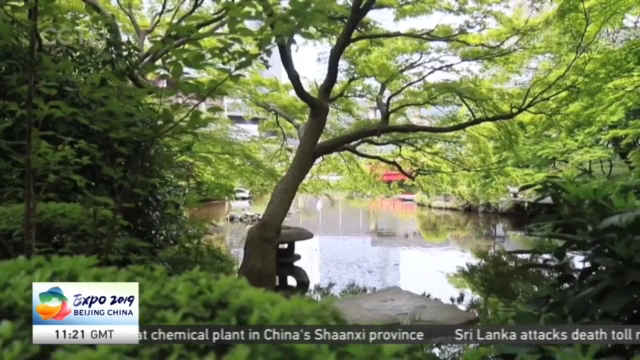
Although Japanese gardens have been influenced by Chinese culture, they have developed their own styles and philosophy. One kind makes little to no use of plants. Mayu Yoshida visited a typical Japanese rock garden in Tokyo to learn more.
Away from the hustle and bustle of urban Tokyo is this peaceful forest. Nestled into the hillside is the Gyokudou Art Museum, famous for its traditional rock garden. This is one of the few gardens in Tokyo based on the 'Karesansui' style of Japanese gardening. The family-owned museum attracts thousands of visitors every year, including the Japanese Empress.
MARIKO OZAWA DIRECTOR OF GYOKUDO ART MUSEUM "All we have are stones and small rocks. That's why the garden looks the same fifty-years on."
Translated as "dry landscape garden", the Karensansui style uses rocks, sand and gravel to express the entire universe without using water. Generally, raked lines in the sand express ripples of water, and stones represent mountains.
MARIKO OZAWA DIRECTOR OF GYOKUDO ART MUSEUM "If you have a bit of greed, you might consider planting flowers to make the garden look more beautiful. Keeping things unchanged for years looks easy but hard to maintain. I think the concept of Wabi-sabi comes from appreciating things the way it is, and you can see it in the garden."
MAYU YOSHIDA TOKYO "The philosophy of Wabi-Sabi, is a phrase used to embrace the beauty of simplicity and imperfection. This age-old philosophy may help modern day struggles of striving for perfection because it's all about wanting less and appreciating what you already have. Mayu Yoshida, CGTN, Tokyo."