
17:39, 25-Jul-2019
Suicide in Thailand: 53,000 people try to kill themselves each year
Updated
17:55, 25-Jul-2019

Share






Copied
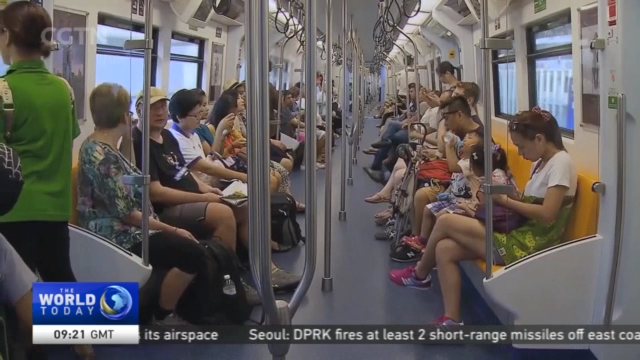
Thailand's Department of Mental Health says six people try to kill themselves every hour. That adds up to 53,000 attempted suicides a year. The problem is made worse by social taboos against talking about depression. Our correspondent Dusita Saokaew reports.
It's a painful story for Mena to tell. Her boyfriend of 7 years projected an image of strength, perfection, health and wellness. But underneath this carefully carved façade, was a person in pain - A pain so powerful, it tried to take hold of his life, time and time again.
MENA "Around 6 months later, he tried again. Before this incident, I talked about it with his family and we said that if it happens again, we have to respect his decision."
That time soon came. All the signs were there, but no doctor, no medication, no support could bring him back from the rabbit hole of dejection. It was meticulously planned. He logged out of his social media accounts, and final letters to loved ones were placed close to where his lifeless body rested.
Suicide is often talked about like an anomaly, an extraordinary tragedy – yet it's heartbreakingly common. Mena's story is all too familiar for many families across Thailand.
DR. NATTAKORN JAMPATHONG DEPARTMENT OF MENTAL HEALTH, MINISTRY OF PUBLIC HEALTH "Thailand has about 4,000 deaths from suicide each year. That's about 10 cases a day. So that would mean, every 2 hours, one person dies of suicide."
These heartbreaking statistics are part of a longstanding and perplexing pattern of higher suicide rates in Thailand. No one really knows why because suicide deaths rarely have a singular case.
In an effort to limit the number of suicide cases, a call center has been set up because health workers believe that having someone to talk through problems with can be enough to put someone on the path to recovery.
DUSITA SAOKAEW BANGKOK, THAILAND "With 10 lines open 24 hours a day, this call center, operating under the Department of Mental Health receives around 9000 calls each month, providing a platform for those seeking help. But Thailand's stigma towards mental health and depression still looms large casting uncertainty for those who suffer from mental illnesses to even talk about it."
These health workers listen and help people through some of the darkest moments of their lives. The phones ring, the calls end. But soon, there will be another. And another. And the people on the other side of the line are people like Earn who has been battling with depression since her teens.
KALYAKORN 'EARN' NAKSOMPOP RAQUE FORWARD "10 years is the average time that people take from the day they realize they have depression to the day they go to the doctor and that is because of the stigma and belief people have about mental illness."
Earn, now, devotes her life to helping people with depression, trying to break down the barrier of stigma in a conservative country. Its work that never ends, because every day, somewhere out there, someone is hurting. Dusita Saokaew, CGTN, Thailand.