
19:13, 01-May-2019
Intl. Horticultural Exhibition: Tracing Chinese garden art back to porcelains
Updated
19:10, 04-May-2019
 []
[]
Share







Copied
02:18
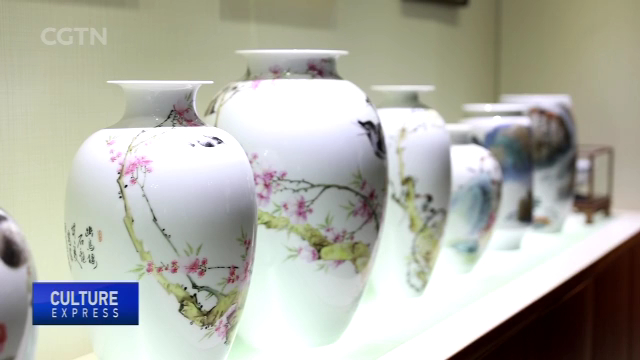
Staying at the expo, a symbol of Chinese culture, PORCELAIN was not only invented here but also shares the same name with the country in English -- China. While landscape painting is a representative decoration on traditional Chinese ceramics, it even flew along the ancient Silk Road to the West, casting an influence on the western garden art.
A time-honored tradition, ceramics have run through the Chinese civilization without interruption; painted or black pottery in the prehistoric times was followed by white and glazed ones in the Shang Dynasty more than 3,000 years ago.
Paintings and patterns on ceramic wares later developed in greater varieties. One of the main subjects is scenic landscapes, with elements originating from China's traditional garden art. Flowers, bamboos, grass, clouds, hills, rivers, pavilions, fish and birds, mostly in the form of Chinese ink painting, all carry auspicious symbolism.
From the Ming Dynasty to the late Qing Dynasty, a huge number of ceramics were produced.
Blue and white floral patterns were typical among imperial porcelains produced in the town of Jingdezhen, a major kiln site in southern China.
Many of the important kiln workshops in Jingdezhen were owned by or reserved for the Emperor, making imperial pieces in large quantities. The products did not only serve the daily needs of the court, but were also used for export as diplomatic gifts or for trade, initially to East Asia and the Islamic world. Then from around the 16th century on, porcelain found its way to Europe, occupying an important position in the exchanges between East and West.
These exports also brought some of the classical Chinese garden art to the west, as the paintings and patterns offered inspiration for garden designers abroad.