
Opinions
18:23, 14-Apr-2018
Opinion: Will Russia get tougher with the West?
 ["china"]
Share







Copied
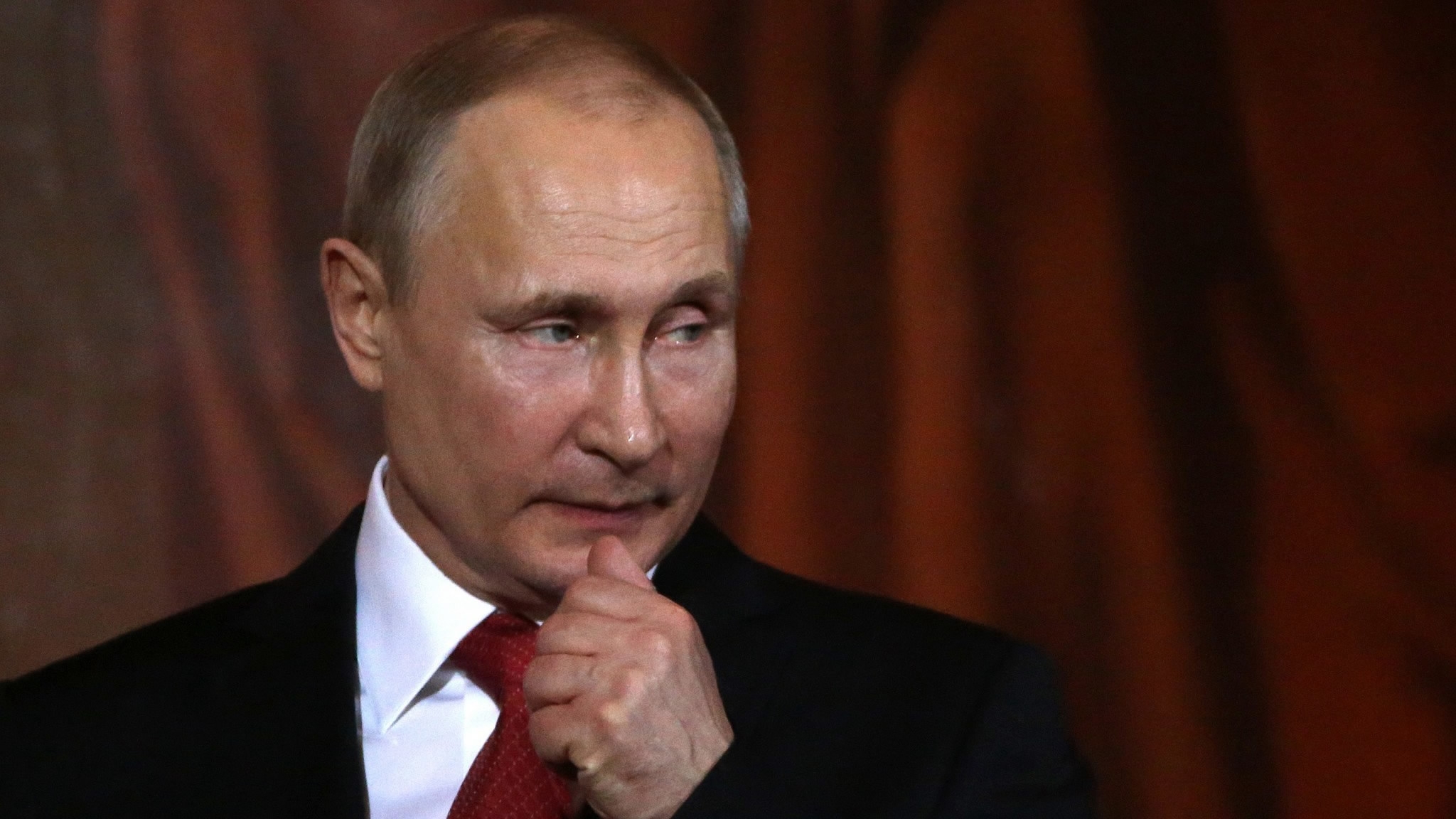
Russia has been going through a tough period recently.
The row between Moscow and London over the ex-spy poisoning incident is hardly over and the US has imposed another round of sanctions, causing turmoil in Russian financial markets.
And now, allied air strikes launched by the US, the UK and France have hit Syrian facilities in response to an alleged chemical attack, despite Moscow's opposition.
Did Russia see that coming?
"Yes, I believe so," said Gong Zheng, assistant research fellow at the China Institutes of Contemporary International Relations.
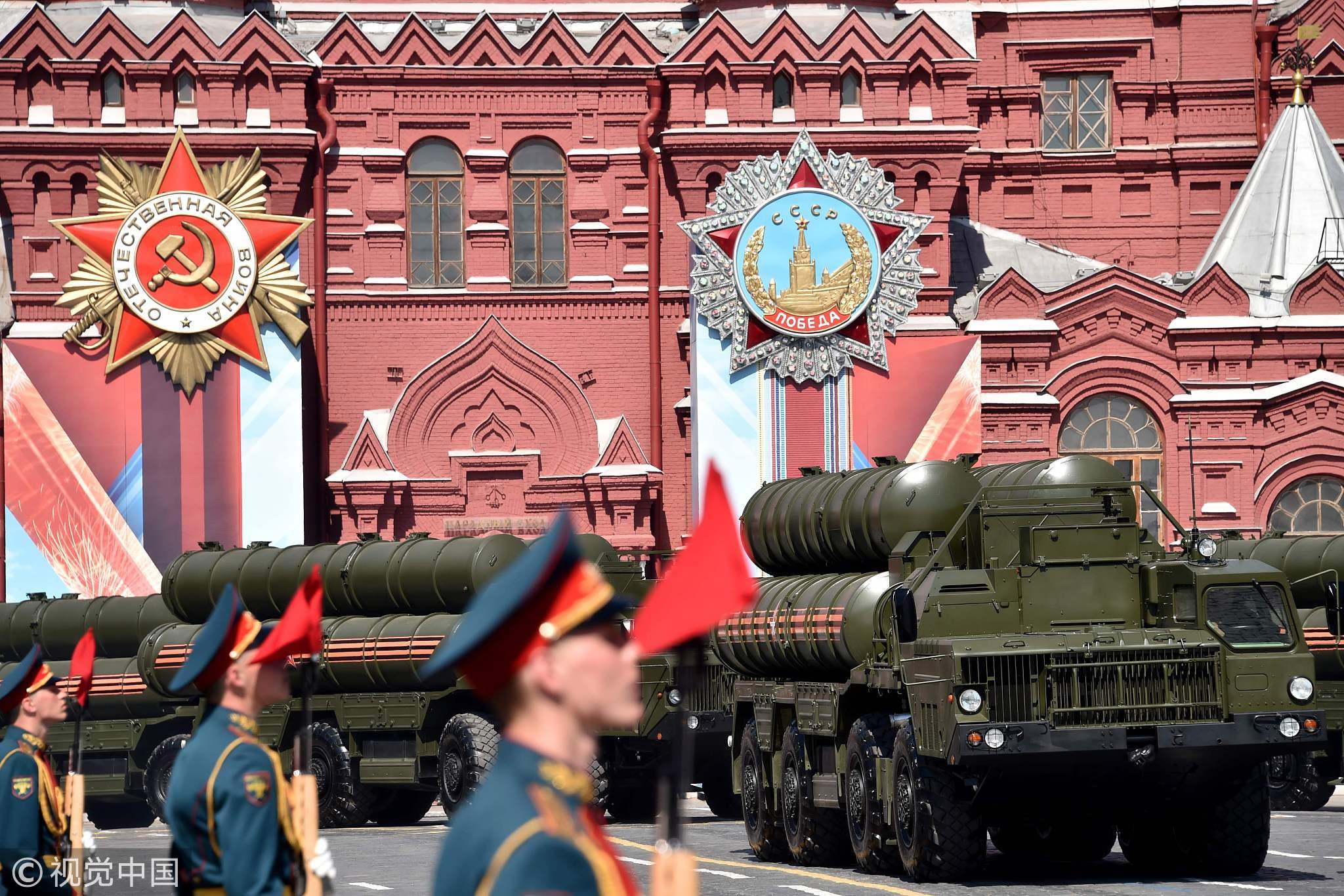
Russian S-400 air defense missile systems rolling on the Red Square during the Victory Day military parade in Moscow, May 9, 2016. /VCG Photo
Russian S-400 air defense missile systems rolling on the Red Square during the Victory Day military parade in Moscow, May 9, 2016. /VCG Photo
In his opinion, US President Donald Trump’s tweets are similar to forecasts, through which he has already sent clear messages that he will take military action. Although Russia and the US have been crossing swords in diplomatic occasions, they probably communicate with each other through private channels, despite the statement by the US that Russia wasn’t informed in advance about the missile strikes.
"To some extent, I think the Syrian army has already made a good preparation to hide, for example, in the Russian military base in Latakia. Also, we see that the Russian military ships left Tartus naval base in Syria ahead of the air strikes. So I presume that there might be some sort of information exchange between Moscow and Washington."
Why did Trump and his allies launch the air strikes?
According to Gong, Trump wants to demonstrate his commitment to dealing with the suspected chemical weapons attack in Syria. Even though the international community has yet to present solid evidence about whom to blame for the purported assault, Trump still tweeted his anger and boasted about a forthcoming military reaction.
"To uphold his reputation, he has to do something. And this is also a good way for him to buy some domestic support. But I don’t think he will launch a lengthy and costly intervention in Syria."
The UK and France joined the US in the military move to send a signal that they have zero tolerance on the issue of using chemical weapons, Gong noted. As British Prime Minister Theresa May said, these attacks "can’t go unchallenged."
The US and its allies are eager to tell the world that the current international system is still based on Western values.
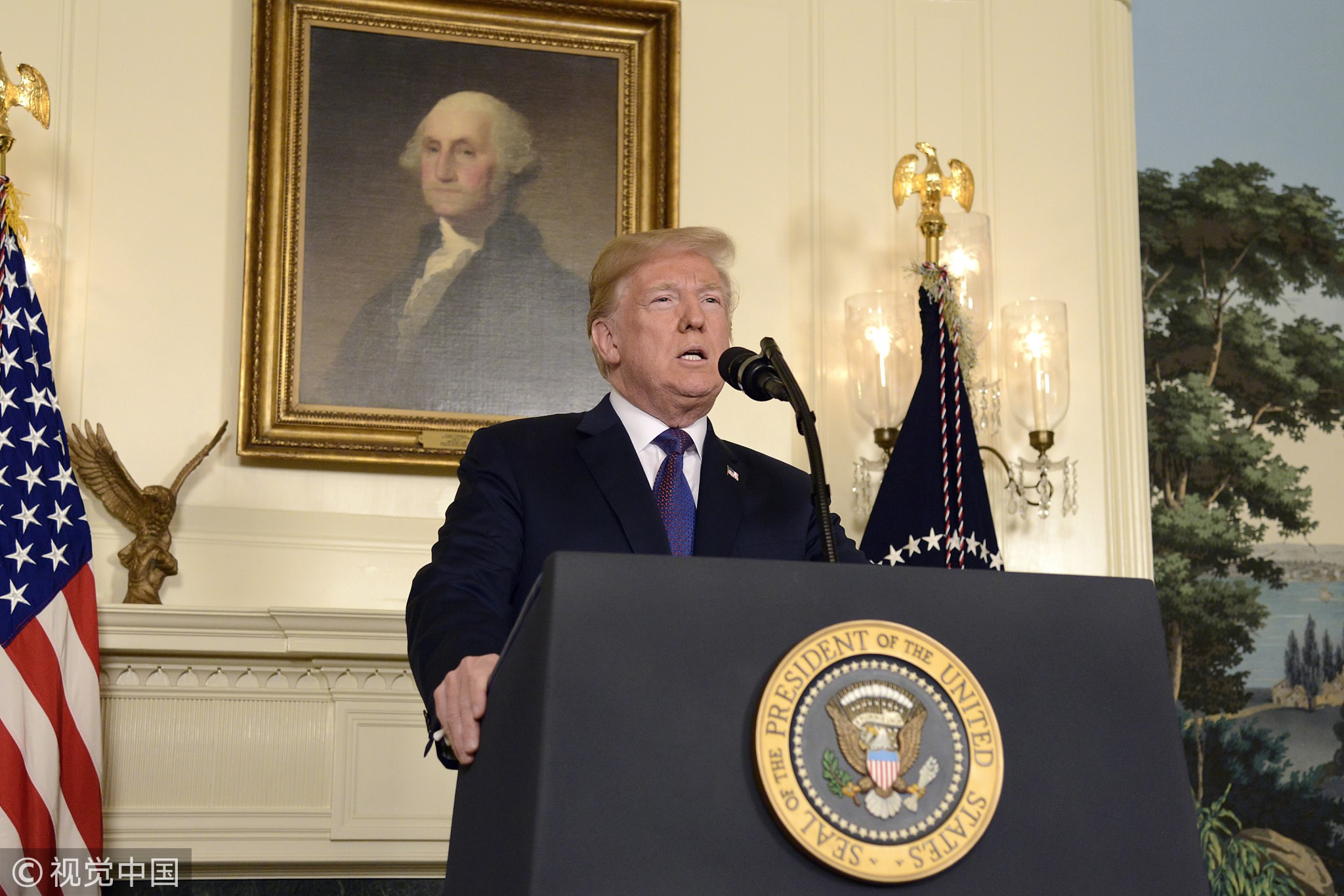
US President Donald Trump speaks to the nation, announcing military action against Syria for the recent apparent gas attack on its civilians, at the White House, Washington, DC. April 13, 2018. /VCG Photo
US President Donald Trump speaks to the nation, announcing military action against Syria for the recent apparent gas attack on its civilians, at the White House, Washington, DC. April 13, 2018. /VCG Photo
Secondly, the West is frustrated by Russia’s "aggressive" presence in the Middle East. "The Western countries want to send a signal to Russia by hitting the Syrian facilities, and give Moscow a lesson that they will not give up the Middle East to Russia’s arms without a fight.”
Meanwhile, the joint operation also indicates that the US wants to pull the European allies closer in dealing with the Middle East issues.
What will Russia do in response?
It remains to be seen how Russia will respond.
Gong pointed out that Moscow would not respond forcefully without casualties from the Russian side. So far Moscow's response has been limited and restrained, but he didn’t exclude the possibility of an escalation.
"There is a possibility that if the Western countries conduct more airstrikes, the situation may escalate rapidly. The Russians may send more advanced weapons such as air defense systems to Syria. The likelihood of the miscalculation between the two sides will rise accordingly. In that case, we may see a direct military confrontation between Western countries and Russia."
As for the consequences, Gong remarked that the aftermath of these airstrikes cannot be overestimated because that will put the Syrian crisis in a more difficult and complicated situation. Besides, the airstrikes alone won’t change the situation on the battleground.
"Syrian opposition forces will continue to face a very difficult time and will be confined to small and remote areas. They still don't have the ability to retake ground from the Syrian government."
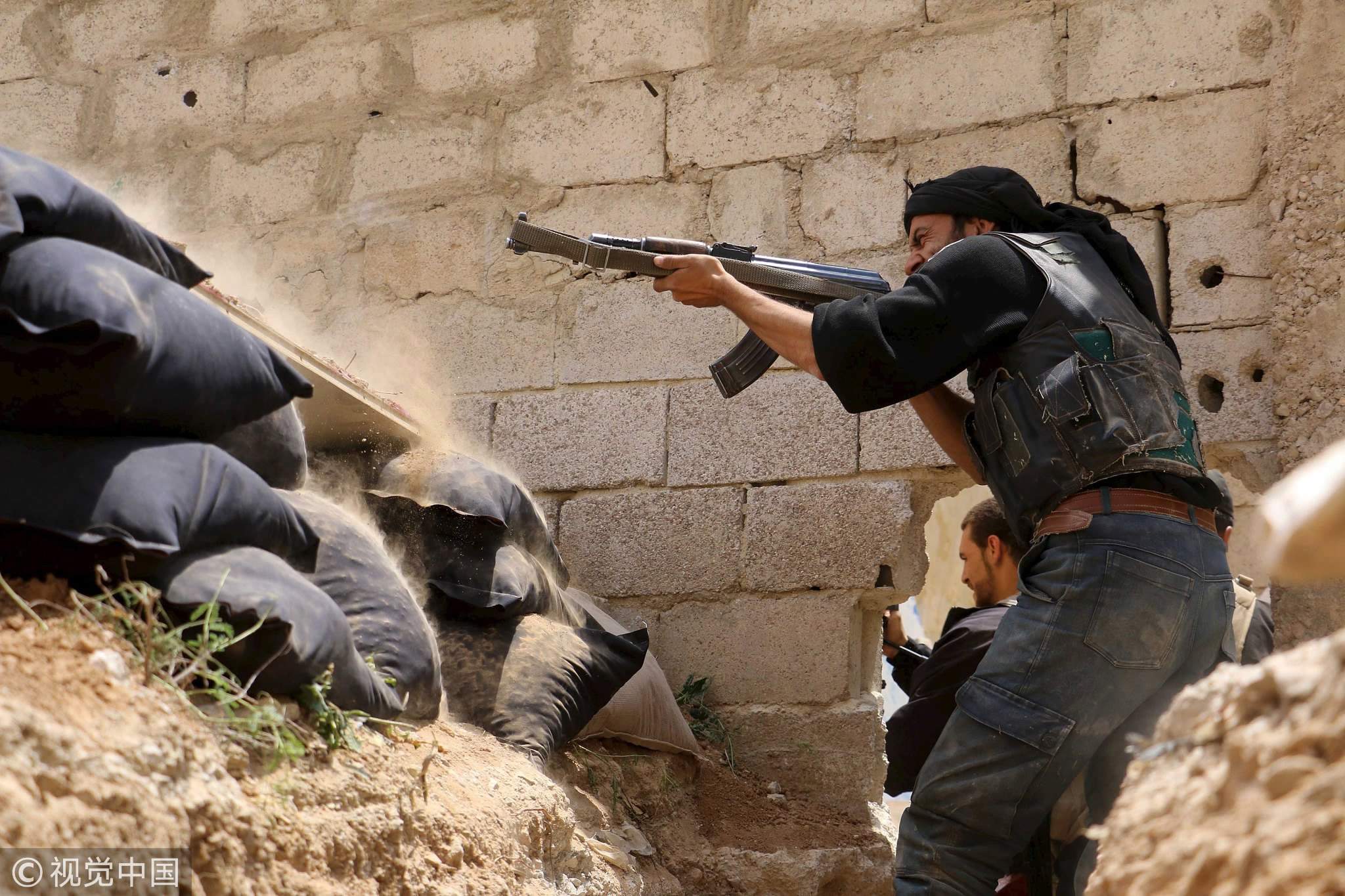
A Jaysh al-Islam (Army of Islam) rebel fighter fires his weapon towards forces loyal to Syria's President Bashar Al-Assad at the Tal-Kurdi frontline in the Eastern Ghouta of Damascus, May 10, 2015. /VCG Photo
A Jaysh al-Islam (Army of Islam) rebel fighter fires his weapon towards forces loyal to Syria's President Bashar Al-Assad at the Tal-Kurdi frontline in the Eastern Ghouta of Damascus, May 10, 2015. /VCG Photo
Gong also expressed doubts about an overspill of the crisis into other Middle Eastern countries.
"Israel and Turkey are trying not to intervene deeply in Syria's issues, such as to topple the government without US support. Saudi Arabia will be a follower of the Western countries and take this opportunity to contain Iran's regional ambition."
Meanwhile, these strikes may strain the rocky relations between Russia and the West.
"It may force Russia to be tougher and more aggressive regarding other international conflicts with Western countries," said Gong.
(This article is based on an interview with Gong Zheng, assistant research fellow at China Institutes of Contemporary International Relations. It reflects the author's opinions, and not necessarily the views of CGTN.)