
22:30, 15-Apr-2019
Sudan Unrest: Military rulers face pressure for transfer to civilian rule
Updated
22:30, 18-Apr-2019
 []
[]
Share







Copied
02:08
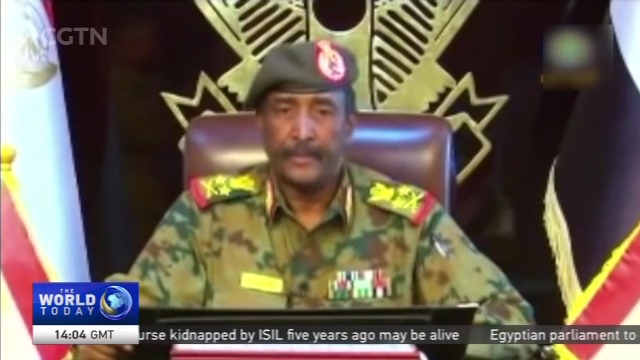
Sudan has experienced rapid-fire leadership change since the military overthrew President Omar Al-Bashir last week. Several top security officials have stepped down. Despite all of the changes, protesters are skeptical about the intentions of the current transitional council. Our correspondent Adel El Mahrouky explains.
After talks between the Sudanese military transitional council and protesters reached a dead end, defense minister Awad Ibn Auf stepped down. Replacing him, Lieutenant General Abdel Fattah Burhan. With Burhan, a security reshuffle followed, that replaced several generals of the military council and the Country's Chief of Intelligence.
SEBAWEY YOUSSEF SUDANESE POLITICAL ANALYST "It appears to be a movement to appeal to the people, rather than actual change. So far, we haven't seen anyone arrested for corruption among the previous politicians. It's like the entire administration disappeared in the blink of an eye. Even with Al Bashir's arrest, many people are doubting it."
Burhan lifted the curfew and released most of the political prisoners. He promised to hand over power to a civil government, but Sudanese protesters want to see tangible change in the political system.
SEBAWEY YOUSSEF SUDANESE POLITICAL ANALYST "Burhan has to dissolve the ruling political party and the militias that support Al Bashir's administration. He has to proceed with steps that prove he's moving on the right path. Sudanese people don't want to just change faces of the administration, they want radical restructuring."
Until this political process is over, protesters declared that their rallies will continue.
ADEL EL MAHROUKY CAIRO "What Burhan has led so far was to undo decisions his predecessor took against protesters. He is still affiliated to President AL Bashir's military establishment. So he'll need to take more measures to prove his sincere commitment to the protesters-desired change, and stand against a regime he has served most of his life. Adel EL Mahrouky, CGTN, Cairo."