
Opinions
11:31, 16-Aug-2018
Opinion: Abe faces domestic, international opposition to constitutional amendments
Updated
11:09, 19-Aug-2018
 ["china"]
Share







Copied
03:12
August 15, 2018 marks the 73rd anniversary of Japan's surrender in World War Two, which also signaled the end of the lengthy conflict. For the Chinese, that included the War of Resistance against Japanese Aggression. The casualties in China hit 35 million during the Second World War.
In Japan, an annual memorial ceremony was also held to mark the day. When attending the ceremony, Emperor Akihito, in his last appearance as reigning monarch at the annual ceremony, expressed "deep remorse" over the war. Japanese Prime Minister Shinzo Abe has sent a donation to the controversial Yasukuni Shrine in Tokyo but without visiting it in person.
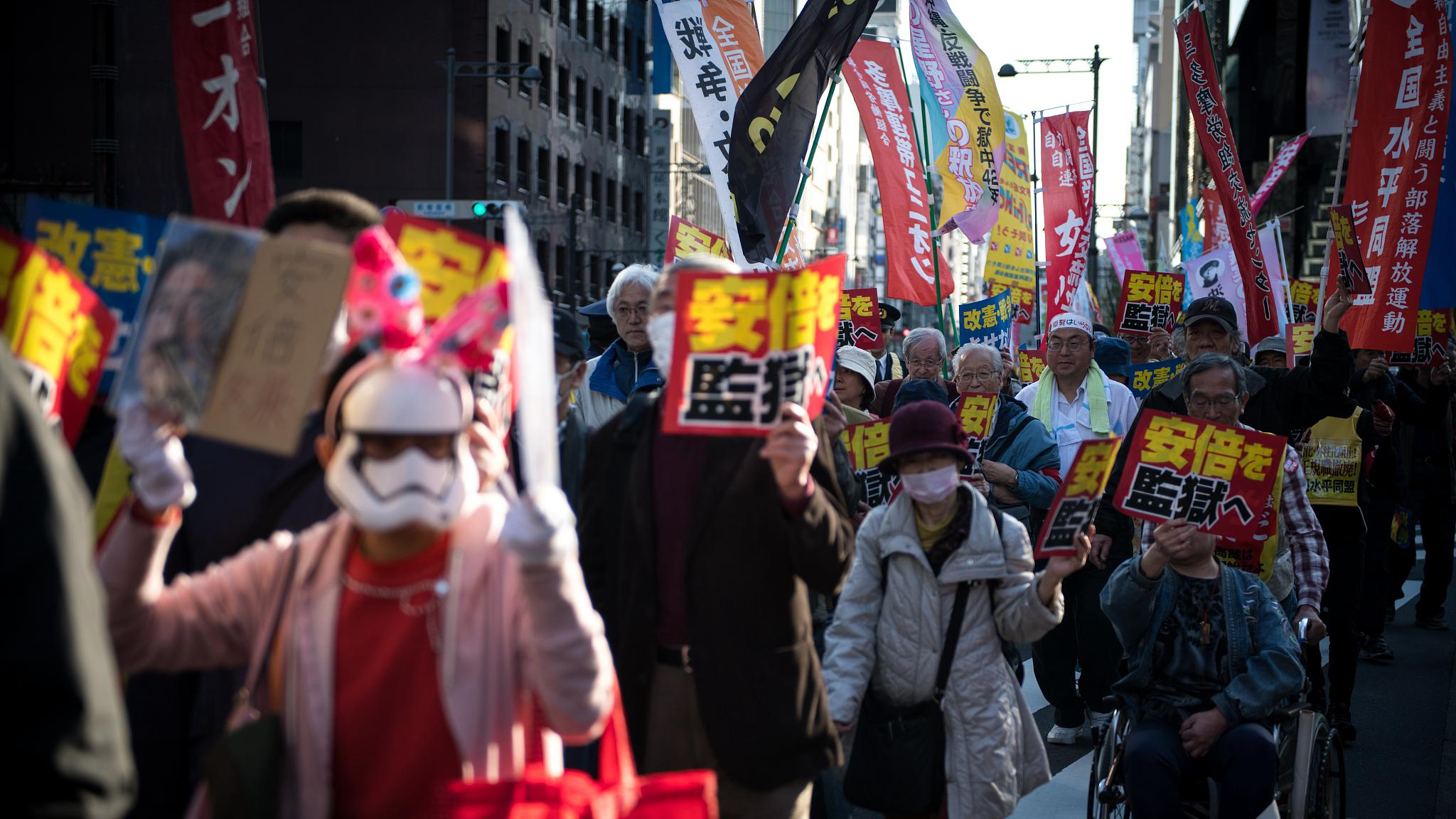
Another highly controversial stance of the Abe administration is its want to amend Japan's post-war, pacifist constitution. Abe's attempt of constitutional amendments was revealed during his first term as prime minister in 2006, but it failed, partially due to his early departure from the post one year later.
03:12
But major progress was made on this in 2015 when Japanese lawmakers passed new security bills that would allow Japanese troops to fight in defense of allies.
On the 70th anniversary of Japan's Peace Constitution last year, Abe announced his desire to achieve the amendment by 2020. And last Sunday, he said he wanted members of his Liberal Democratic Party to submit proposals on this to the next parliament.
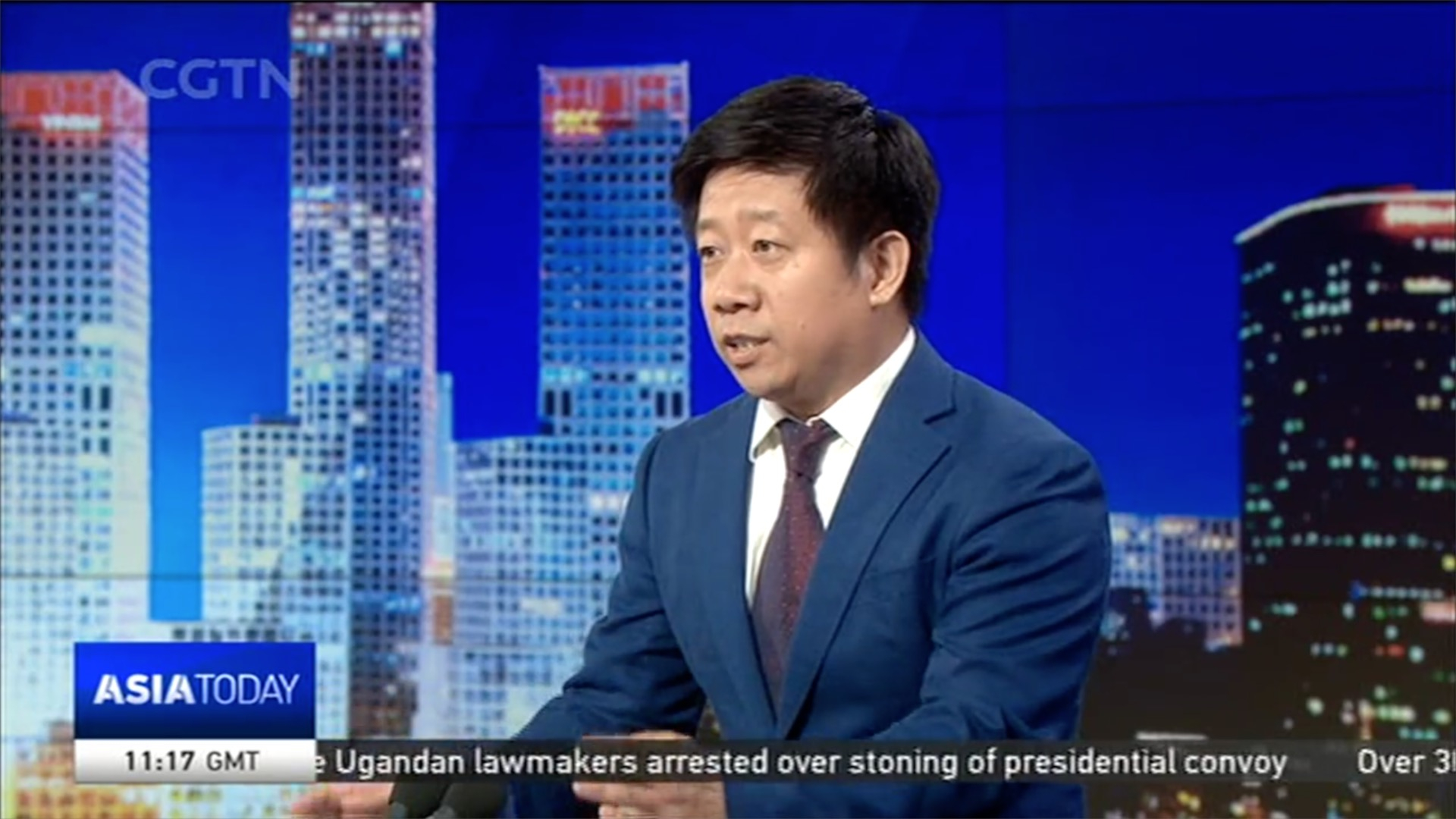
Many people in Japan have expressed strong opposition to Abe's plan to amend the constitution. Wang Chong, a research fellow at the Charhar Institute in China, said Abe's intent of constitutional amendment faces difficulties from both domestic and international front.
Wang speculated that Abe could pass his amendment in the parliament, but he will still need a referendum to get half of the people’s agreement. But the fact as much as 60 percent of Japanese people are against Abe’s amendment plan, especially journalists, teachers, and professors.
Outside Japan, Mr. Wang doesn’t think the United States will support Abe’s plan, because it is against the interest of the US.
The relations between Japan and China have improved in recent years, but all in shaky ground. China has repeatedly voiced its strong opposition to Abe’s attempt to change Japan’s constitution.
Wang said if the Abe administration did manage to pass a revised constitution, it would lead to regional tensions, especially with neighbors China, South Korea, and the DPRK.
Those ASEAN countries will also be worried that if the history will happen again. For the DPRK, Wang said it might restart its nuclear test against Japan. So a constitutional change in Japan may lead to change the political order in the region.
Asia Today is a 30-minute daily news magazine program airing at 1100 GMT and 1900 BJT. Aiming to tell Asian stories from an Asian perspective, Asia Today provides news and in-depth coverage on various topics from across the continent. Asia Today also runs special series covering a wide range of issues of concern to people in Asia.