
Travel
11:41, 03-Jul-2018
Artist creates stone castle 'Yelang' in Guizhou
Updated
11:01, 06-Jul-2018
 ["china"]
Share







Copied
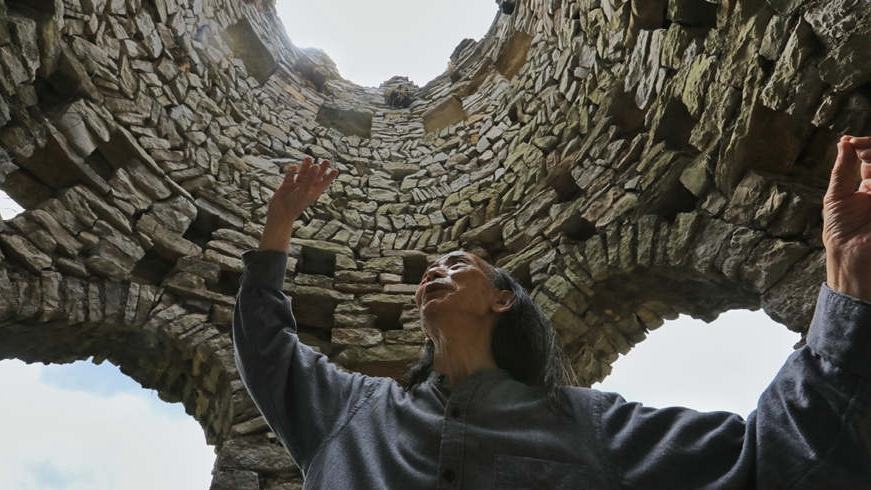
Song Peilun gave up an opportunity to stay in the United States as a cartoonist. Instead, he returned to a plot of wasteland at home – in Leping village of Huaxi district in Guiyang, southwest China’s Guizhou Province. There, he decided to create a different kind of art – a stone castle called “Yelang.” The castle grounds are home to more than 300 statues, resembling the huge human figures on Easter Island. Song drew inspiration from the local Nuo Opera, a tradition in which people wear masks and dance to drive away evil spirits.
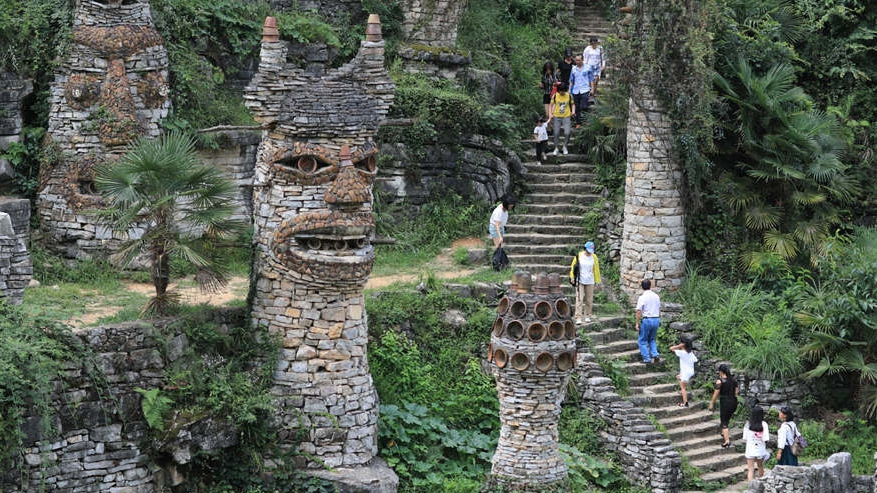
Tourists visit Song Peilun's stone castle "Yelang" in Leping village of Huaxi district in Guiyang, southwest China's Guizhou Province, July 1, 2018. /Xinhua Photo
Tourists visit Song Peilun's stone castle "Yelang" in Leping village of Huaxi district in Guiyang, southwest China's Guizhou Province, July 1, 2018. /Xinhua Photo
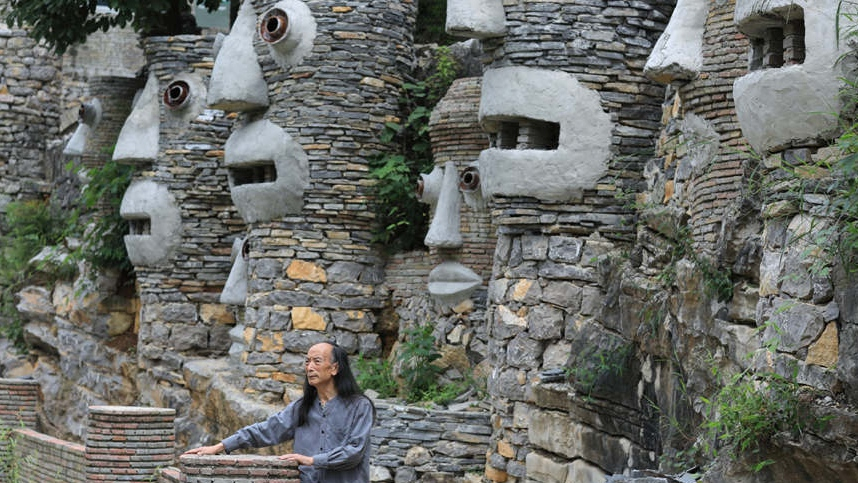
Song Peilun is seen at his stone castle "Yelang" in Leping village of Huaxi district in Guiyang, southwest China's Guizhou Province, July 1, 2018. /Xinhua Photo
Song Peilun is seen at his stone castle "Yelang" in Leping village of Huaxi district in Guiyang, southwest China's Guizhou Province, July 1, 2018. /Xinhua Photo
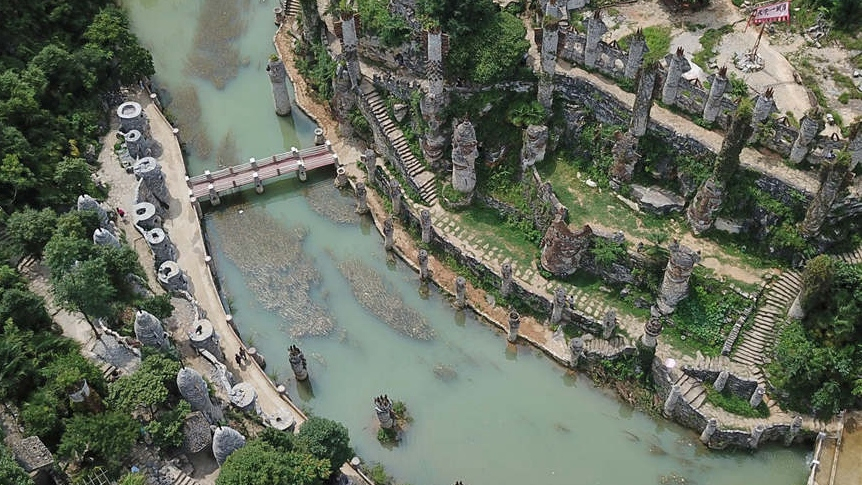
Aerial photo taken on July 1, 2018, shows a general view of Song Peilun's stone castle "Yelang" in Leping village of Huaxi district in Guiyang, southwest China's Guizhou Province. /Xinhua Photo
Aerial photo taken on July 1, 2018, shows a general view of Song Peilun's stone castle "Yelang" in Leping village of Huaxi district in Guiyang, southwest China's Guizhou Province. /Xinhua Photo
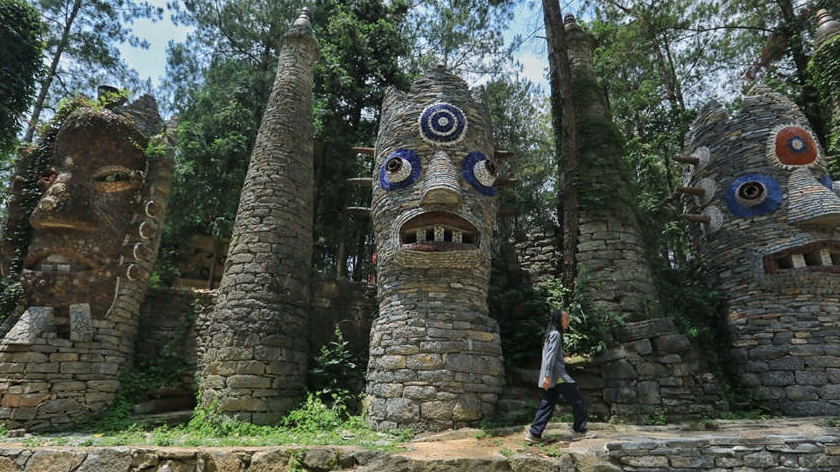
The stone castle "Yelang". /Xinhua Photo
The stone castle "Yelang". /Xinhua Photo
Source(s): China Daily