
Politics
21:39, 17-Oct-2018
China-US relations: Who is interfering in whose internal affairs?
Updated
21:03, 20-Oct-2018
 ["china"]
Share






Copied
05:51
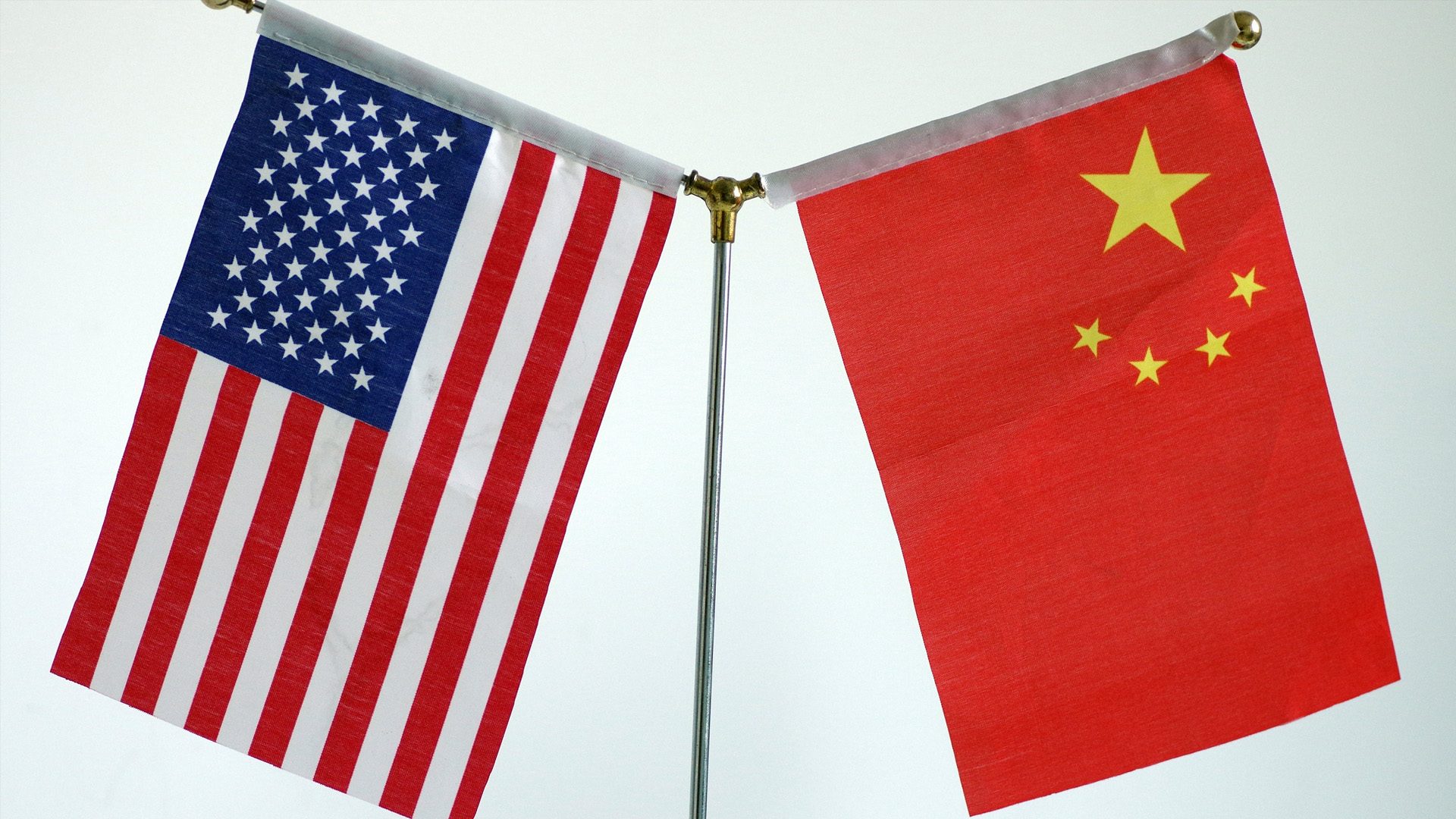
US Vice President Mike Pence in his October 4 speech accused China of interfering in US internal affairs. But it seems like an odd time to point that finger, given the recent US track record of doing just that. In March this year, the US passed the Taiwan Travel Act, which allows officials to travel between the US and Taiwan at all levels.
Meanwhile, Washington has approved arms sales to Taiwan. And the country's senators have even proposed a bill, saying the US would take actions against any nation that cuts off ties with the island.
In terms of the South China Sea, the US has used the excuse of "freedom of navigation" to illegally enter China's sovereign territorial waters.
These moves are in clear violation of America's stated "One China Policy" and examples of interference in China's own internal affairs. Is this not a clear example of the pot calling the kettle black? Professor Wang Dong, the deputy executive director of the Institute for China-US People to People Exchanges at Peking University in Beijing shares his views.
"Everyone knows the US is the only hegemonic power in the world. Not only towards China, but so many countries around the world, the US used to meddle in other countries' internal affairs, because the US is really in the mentality of what I called 'self-righteousness,' it always puts itself in a high ground and calls itself the 'global leader,'" Wang said.