
Business
23:18, 21-Aug-2018
No eggs can remain unbroken when the whole nest is upset
Updated
22:48, 24-Aug-2018
 ["china"]
Share







Copied
00:23
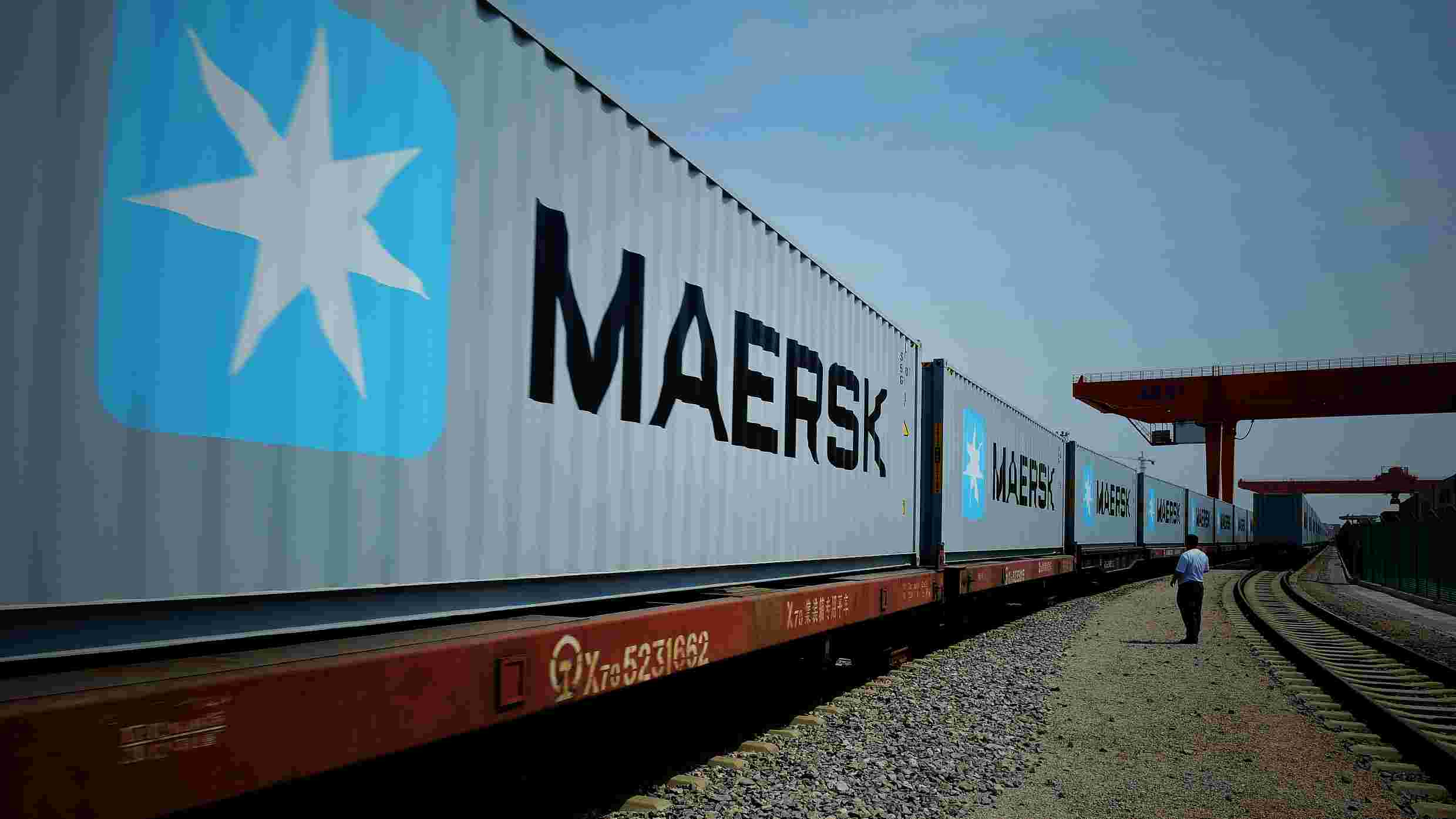
Stocks of A.P. Moller-Maersk, an integrated container logistics company based in Denmark, is projected to fall over 30 percent within a year, facing high risks to be sold first and then bought once stocks slump. As a result, the world’s biggest shipment group is expected to suffer a huge loss of at least 500 million US dollars according to its CEO Soren Skou.
And that should all be ascribed to the recent trade frictions.
Skou said the company has not been directly impacted by the successive waves of tariff announcements but it would be fiercely hit when US president’s tariff targets shifted to daily goods.
His criticism on Trump administration broke the tradition of A.P. Moller-Maersk, which is “never make comments on politics.”
“For our businesses, the trade war and tariff barriers cannot be called good news,” stated Skou. He also predicted that tariffs could slow annual global trade growth by 0.1 to 0.3 percent while three or four percent in the US.
A.P. Moller-Maersk has a strong voice in shipping area thanks to its one fifth control over global container fleets. The company transports four trillion US dollars worth of cargo every year and has established offices in quite a few regions of significance, including the US, Japan, the United Kingdom, Hong Kong, Thailand and Indonesia. Thus, A.P. Moller-Maerskas’ expectations on economic growth could be seen as a barometer of global trade.
01:11
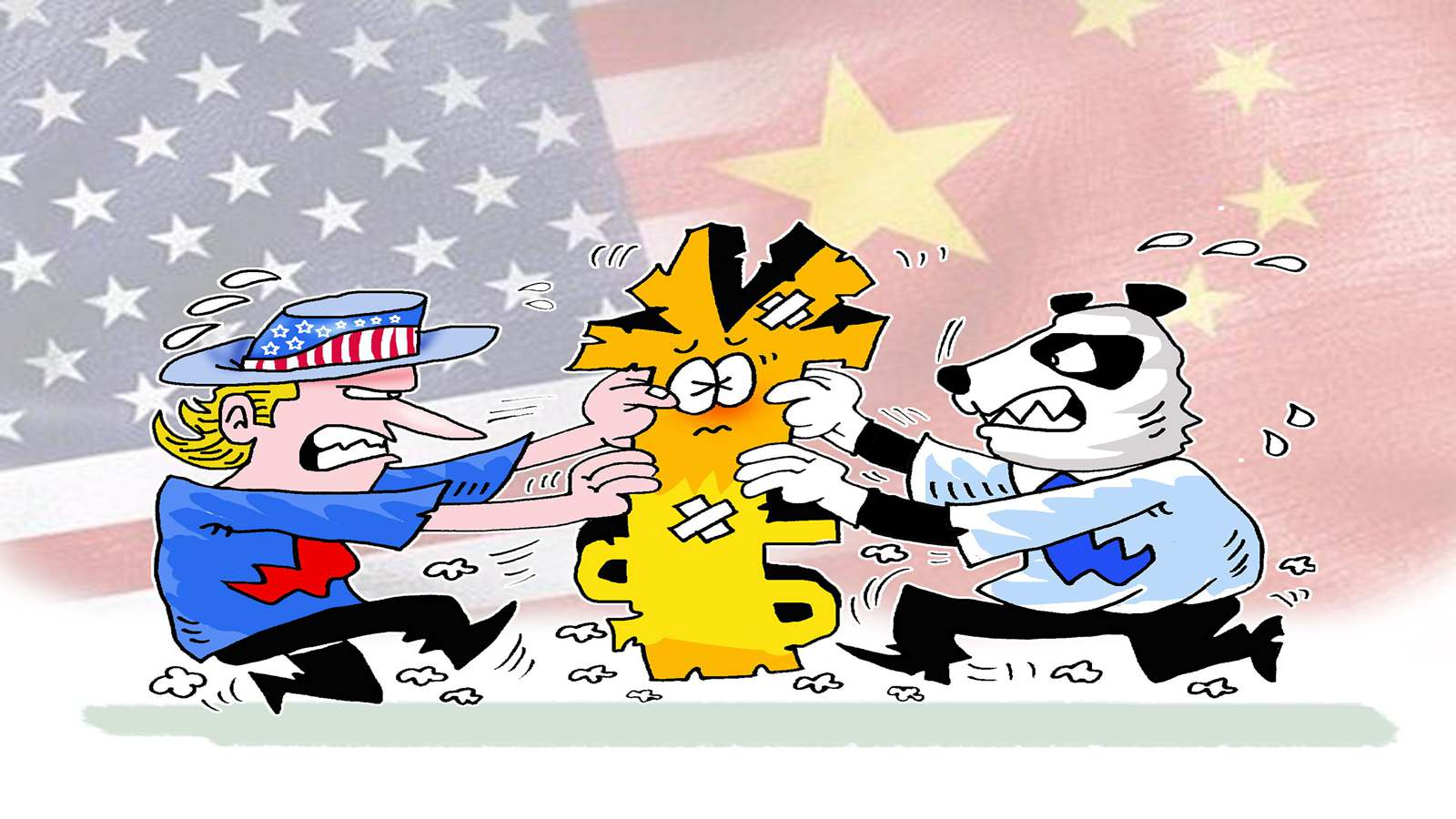
Meanwhile, some institutions are occupied by calculating the loss of China.
UBS Group estimated the initial round of hefty tariffs on 50 billion US dollars of Chinese imports could lower China’s growth rate by 0.1 percentage points in the first year, and if Trump’s administration imposed tariffs on an additional 100 billion US dollars’ worth of goods, the drag on growth could be from 0.3 to 0.5 percentage points.
Deutsche Bank predicted tariffs on 250 billion US dollars’ worth of Chinese goods would shave 0.2 to 0.3 percentage points off China’s GDP growth in the first 12 months since its implementation.
And Oxford Economics forecasted that 25-percent of tariffs on 50 billion US dollars’ worth of Chinese imports and 10-percent of tariffs on another 200 billion US dollars’ worth of goods would reduce China's real GDP growth by about 0.3 percentage points from 2019 to 2020.
The Office of the US Trade Representative (USTR) is holding public hearings in Washington DC, discussing more tariffs on Chinese imports. The list this time involves a whopping 200 billion US dollars’ worth of goods. Zhou Mi, a deputy director of the Institute of America and Oceania under the Chinese Academy of International Trade and Economic Cooperation, expressed his negative opinion on the hearings.
“We cannot find some good examples that the hearings will change the decision of the governments. So we hope that Trump administration can hear something from opinions of the public and enterprises, but I’m not quite confident about that,” said Zhou. And he added six days are not enough for people to voice their opinions.
It remains hard to tell which side would be hurt more. After all, no eggs can remain unbroken when the whole nest is upset.
(CGTN’s Zhang Mengyuan also contributed to the story.)