
Culture
16:01, 05-May-2018
Chinese college students' attitudes towards the study of Marxist Theory
 ["china"]
Share







Copied
02:08
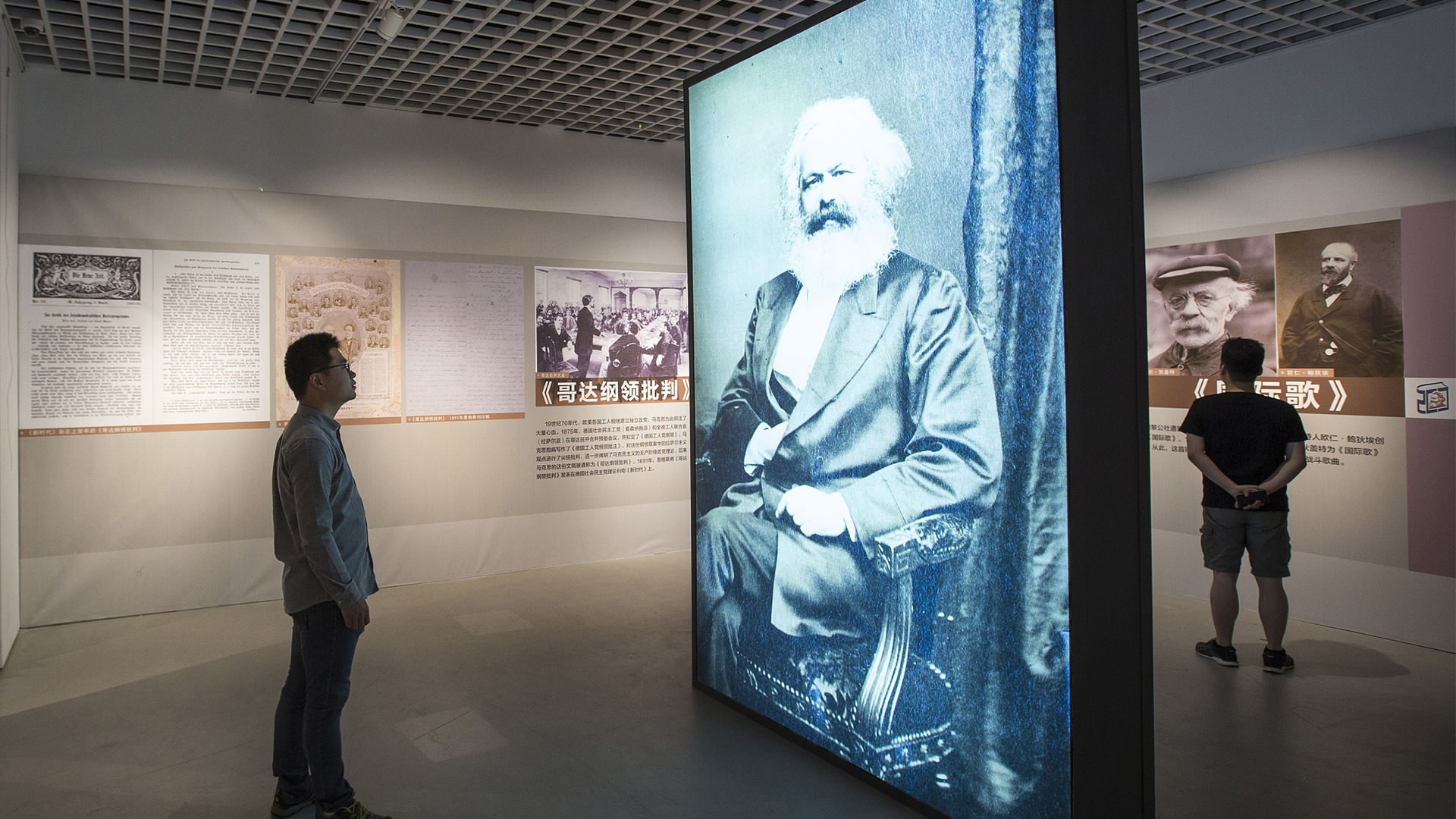
Karl Marx's Communist Manifesto and his ideas – better known as Marxism – have a huge influence on the founding of the People's Republic of China and its governing body. Marxist Theory has long been a required course for all universities on the Chinese mainland.
Chinese college students’ attitudes
Titled Basics of the Fundamental Principles of Marxism, this course covers three main parts: Marxist philosophy (dialectical and practical materialism, etc.), Marxist politics (economics determine politics, how socialism emerged from the world of capitalism and feudalism, etc.), and Marxist economics (the meaning of value and price, how capitalism works, how monopoly emerged from competition, etc.).
Opinions on the course are divided among Chinese youngsters, and an increasing number of them are losing interest in it, part of the reason being the theory is far away from their lives.
"The course on Marxist Theory is necessary and important. It not only provides us college students with theoretical basis, but also guides us through practice. I believe two points are important in the theory – one is seeking for the truth, and the other is putting my knowledge into practice," said Cui Meng, a Marxist major with Minzu University of China.
"But some of my classmates may think it's not quite related to their lives. So ... how do I put it... It's not they don't like the course, but they are just not that passionate about it," said Adile Ablat with Minzu University of China.
Money invested in promoting Marxism teaching
Beijing, home to a number of top universities, spend RMB 200 million (31.5 mln US dollars) annually to promote the study of Marxism in colleges.
According to a guideline issued in 2015, the Beijing municipal government said it will encourage reforms in Marxist research to build "socialist universities with Chinese characteristics."
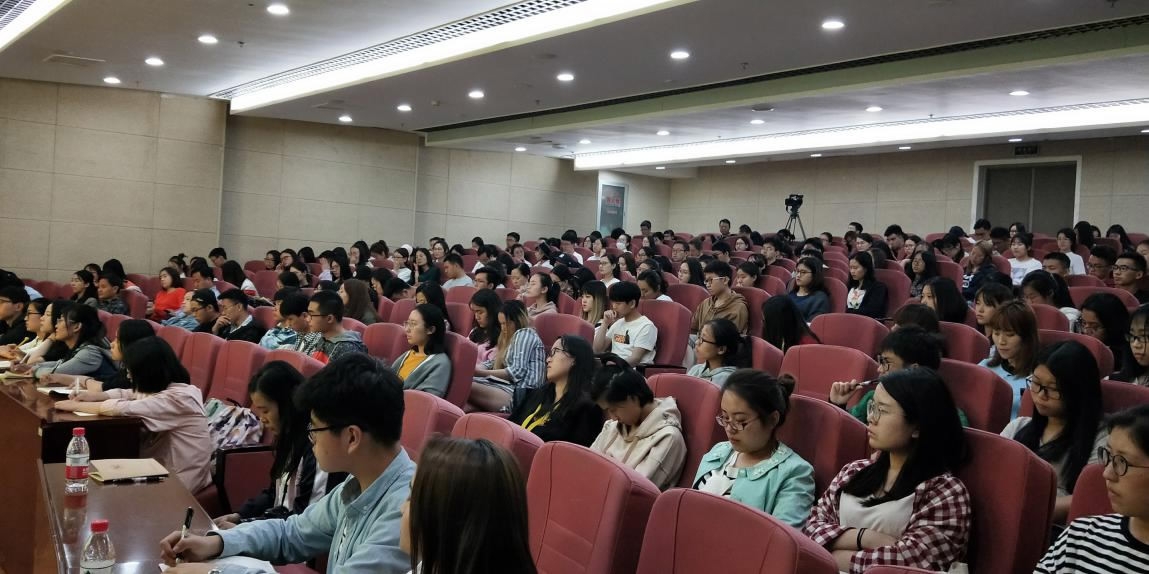
College students from Minzu University of China listen to lecture on Marxist Theory. /CGTN Photo.
College students from Minzu University of China listen to lecture on Marxist Theory. /CGTN Photo.
Schools and teachers are encouraged to base the teaching of Marxism more on practices and real-life experiences. In addition, it also promised rewards for high-performing young teachers and professors, and better funding for their projects.
“Marxist Theory, together with other subjects about Chinese politics, account for 10 percent of the total credits for undergraduates; for postgraduates for a master's degree, it’s 11 percent; and for doctoral candidates, it's 17 percent,” said Sun Ying, dean of School of Marxism with Minzu University of China.
"On the surface, we do see that not all the students like the course, and some might have some negative feelings about it. But over the past 30 years in my career, [I should say] the course has been conducive to the ideological build-up in Chinese universities and [more importantly] to the country's stability,” added Sun. “And more students are revisiting Marx’s original works, which they find more interesting."