
Culture
15:05, 28-Jul-2018
Discover Mauritius, off the beaten track
Updated
14:38, 31-Jul-2018
 ["china"]
Share







Copied
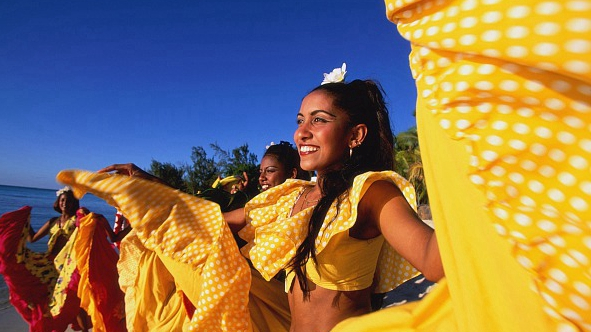
The Republic of Mauritius, the "pearl" of the Indian Ocean, as an African island country, has not only the breathtaking natural scenery but also a remarkable culture.
Mauritius is known as "the homeland of heaven," and the impressive most is harmony and friendship.
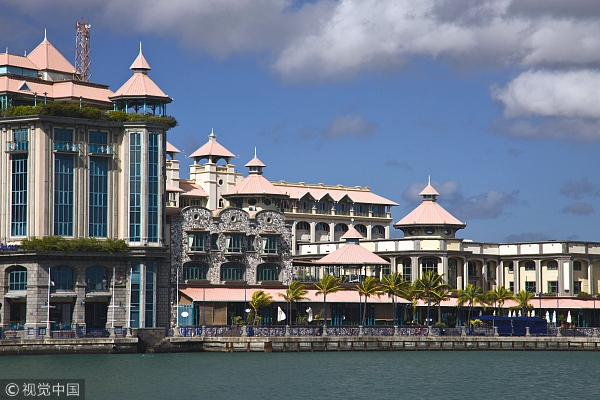
Caudan Waterfront, Port Louis, Mauritius /VCG Photo
Caudan Waterfront, Port Louis, Mauritius /VCG Photo
A small island with no exploitable natural resources, tourism might be the first industry among others in the country. Nevertheless, its incredible cultures can catch the eyes, including the sega arts, the stamps, and the Nobel Prize.
Mauritius in a few words
Mauritius is an island, which named after the Dutch Prince Maurice van Nassau. Known as the star and key of the Indian Ocean, with blue waters and brilliant culture, Mauritius has achieved a remarkably successful economic performance in recent years.
Sega, the cornerstone of Mauritian culture
The Sega is a dance which originated from the ritual music of the mainland of Africa.
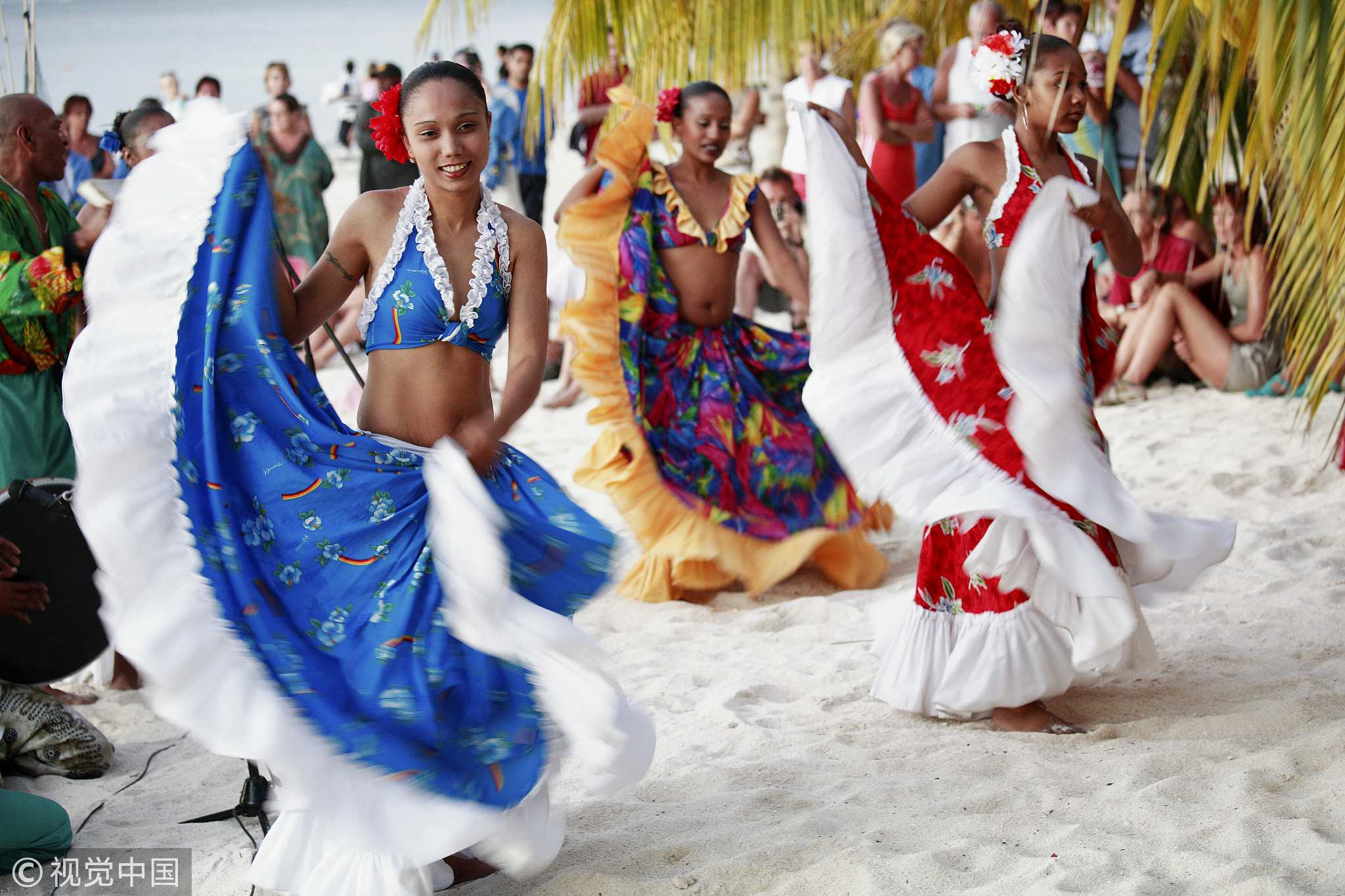
Sega dancers entertain on the public beach of Trou-aux-Biches, Mauritius. /VCG Photo
Sega dancers entertain on the public beach of Trou-aux-Biches, Mauritius. /VCG Photo
It was first mentioned in the accounts of travelers in the 18th and 19th centuries who described a form of music that brought together the slaves living on the island. Local rum inspired the sega; the fishing folks gather around a campfire and dance without any music only by the sound of the "ravanne," a kind of tinkling of spoons, the rattling of seeds or sand in a tin, and the clapping of hands of spectators who eventually join in.
Sega music has three components: singing, dancing, and language. It was used as a vehicle by which slaves expressed their joys, sorrows, and hopes.
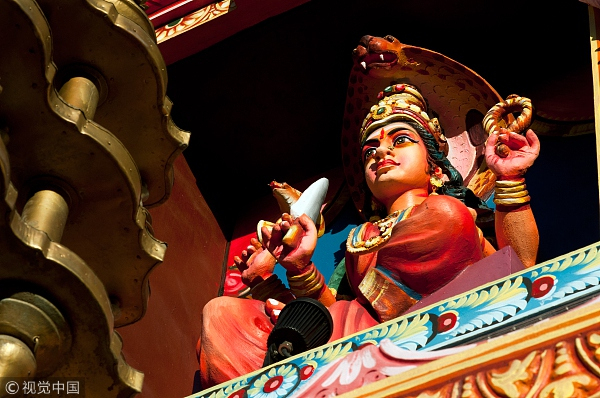
Picture of a Hindu temple near the harbor, Port Louis, Mauritius. /VCG Photo
Picture of a Hindu temple near the harbor, Port Louis, Mauritius. /VCG Photo
According to the book "The African Diaspora in the Indian Ocean," after slavery was abolished in 1835, traditional sega was confined. This musical tradition continued within family circles, but not in public.
It was only in the late 1950s that its peculiar rhythms were to be heard again. Some singers played with Western instruments at balls and fancy fairs. The "ravanne" was replaced by drums, and the electric guitars made their way to the stage.
Two stamps
The stamps are also one of the important elements from Mauritius' culture that many philatelists enjoy talking about them.
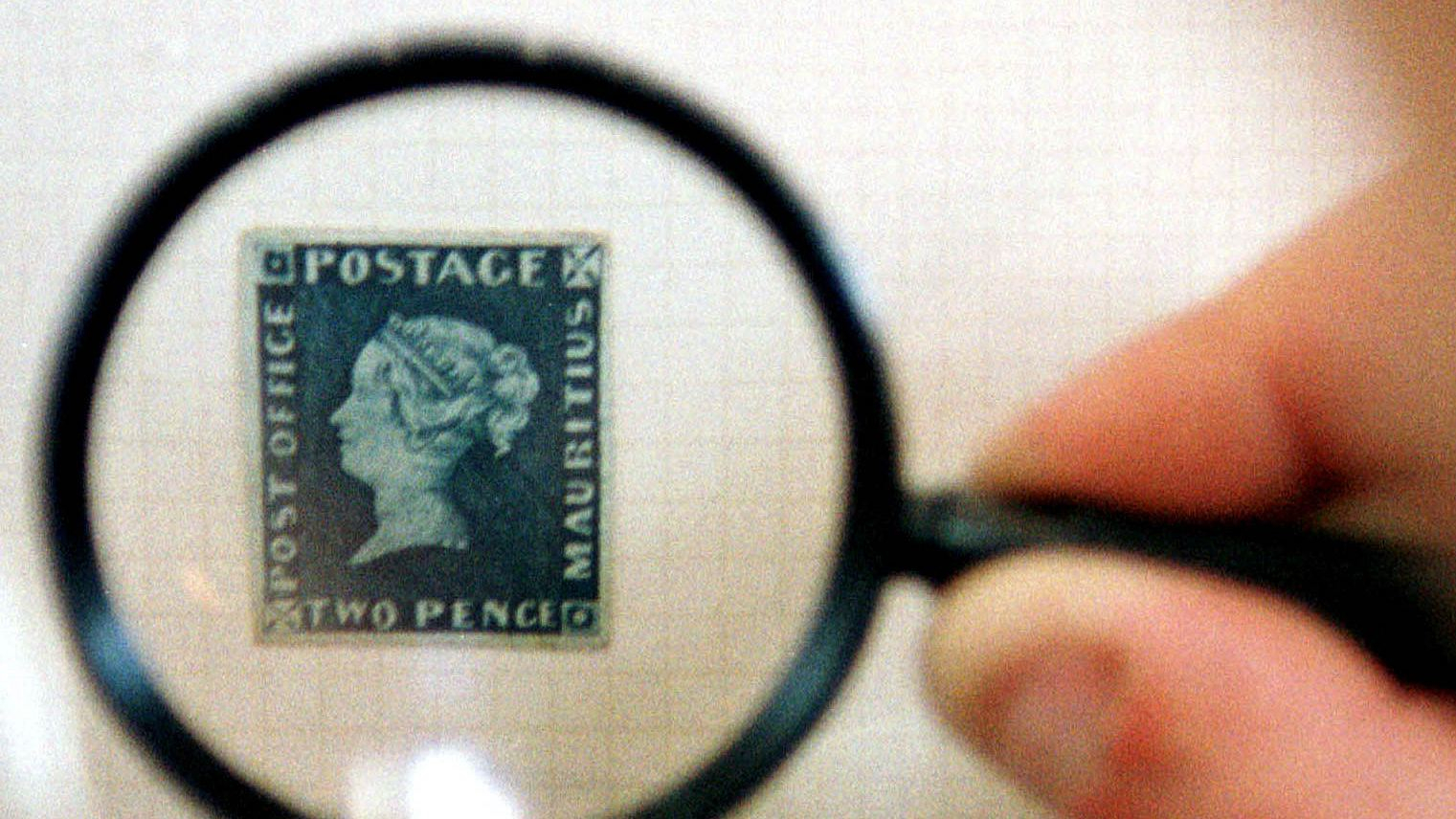
A visitor looks at a "Blue Two Pence" Mauritius stamp from the private collection of Queen-Elizabeth II during the World Philatelic Exhibition "Moscow '97," October 17. /VCG Photo
A visitor looks at a "Blue Two Pence" Mauritius stamp from the private collection of Queen-Elizabeth II during the World Philatelic Exhibition "Moscow '97," October 17. /VCG Photo
In 1847, Mauritius became the fifth region to issue stamps in the world, far ahead of other African countries and even advanced some European and American countries. One of two issued stamps is "Red Penny," and the other is "Blue Two Pence," which were engraved by Joseph Osmond Barnard. The designs were based on the then current issue of Great Britain stamps, bearing the profile head of Queen Victoria and issued in two denominations colors.
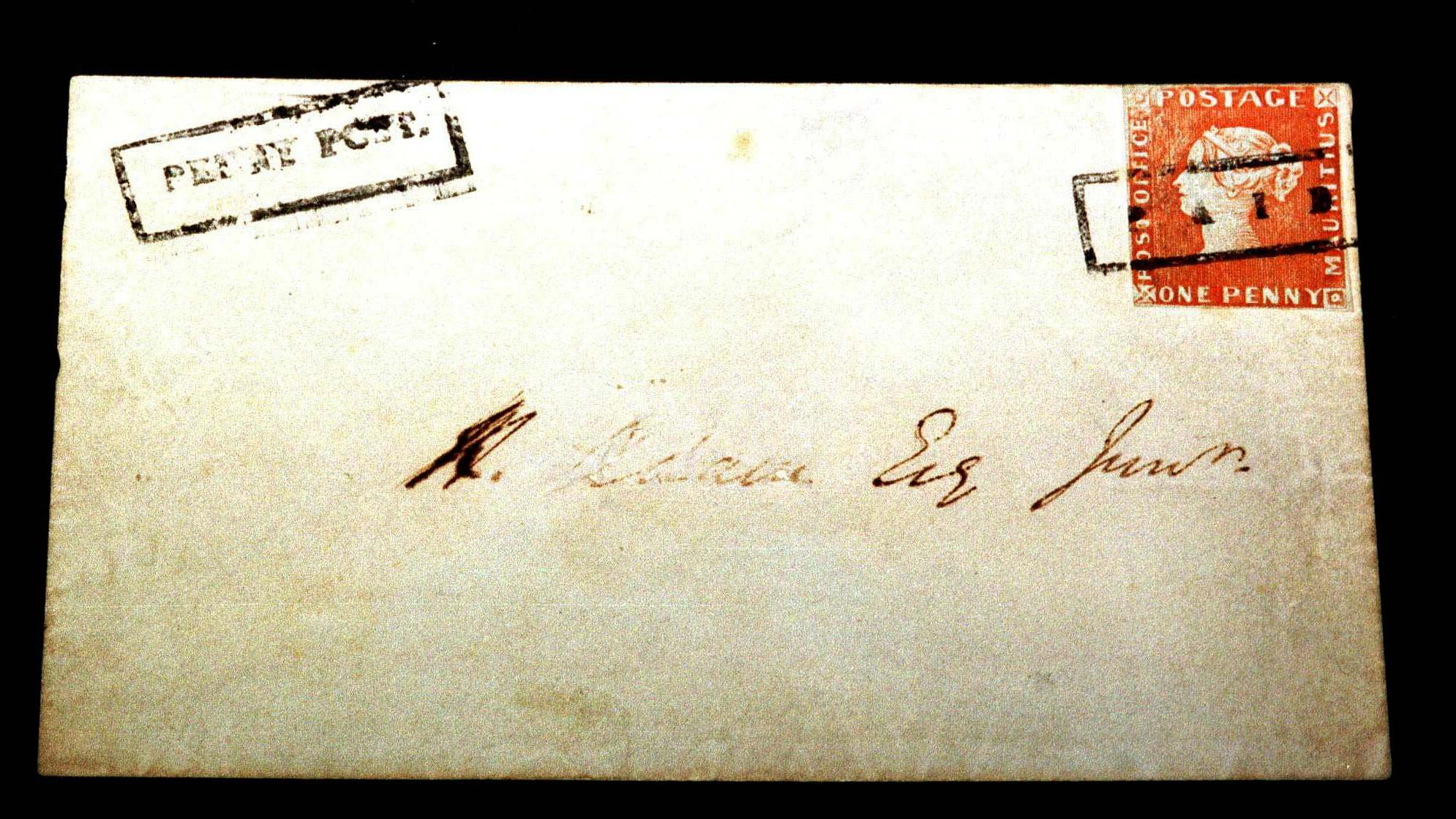
A 150-year-old envelope bears one of the world's most rare "Red Penny" stamp. /VCG Photo
A 150-year-old envelope bears one of the world's most rare "Red Penny" stamp. /VCG Photo
The words "Post Office" appear in the left panel, these words were replaced by "Post Paid" on the following issue in 1848. A legend arose later that the words "Post Office" had been an error.
According to the CRI's report, the stamp was originally discovered by two young men in 1866, who found two old "Post Office" penny on a package, and a philatelist found other two stamps in an old magazine in 1868. Its rarity is conceivable.
One literature
Mauritius also publishes some literary works, but most are less known. The more famous local writer is Jean-Marie Gustave Le Clezio. Le Clezio's mother was born in the French Riviera city of Nice, his father on the island of Mauritius. According to the interview with the Horace Engdahl, the Permanent Secretary of the Swedish Academy, Le Clezio would live on the island for a period every year and maintained strong personal ties with the island.
"I consider myself an exile because my family is entirely Mauritian. For generations, we were fed on Mauritian folklore, food, legends, and culture," Le Clezio said in an interview.
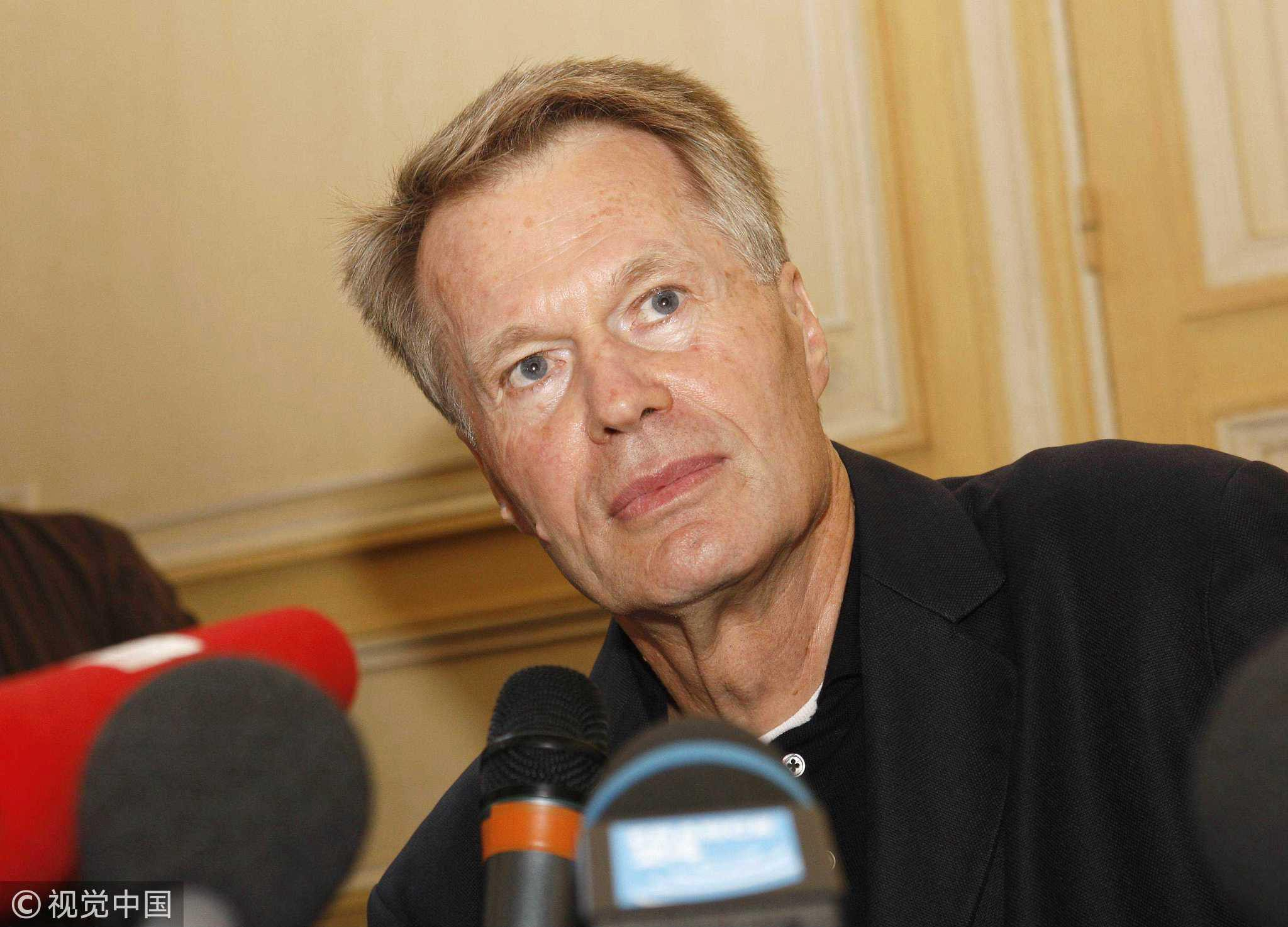
French writer Jean-Marie Gustave Le Clezio during a press conference in Paris. /VCG Photo
French writer Jean-Marie Gustave Le Clezio during a press conference in Paris. /VCG Photo
"On the other hand, I love the French language as well," he added. Although born in Nice but raised in Mauritius, Le Clezio has long been popular in the French-speaking world.
The most famous literary work of Le Clezio is "La Guerre," which means "War," published in 2008, which won the Nobel Prize for Literature in 2008.
"He is an author of the departures, poetic adventure and sensual ecstasy, explorer of a humanity beyond and below the reigning civilization," the Swedish Academy praised.
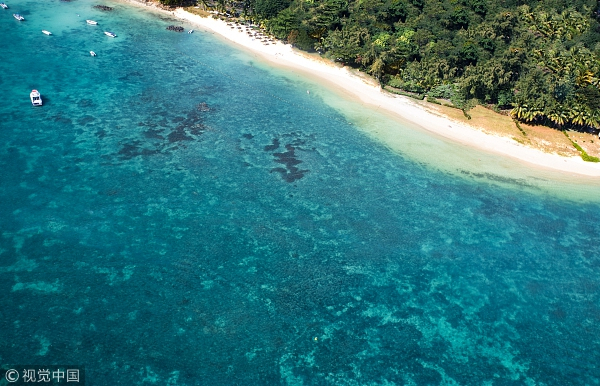
A beach in Mauritius /VCG Photo
A beach in Mauritius /VCG Photo
Mauritius is a small island but with so much to discover, and it is a great destination to explore and learn more about its history. There are many significant industries in Mauritius besides tourism, including textiles, agriculture with sugar cane and more.
(Cover: Traditional sega dancers on the beach of Mauritius. /VCG Photo)