
Business
14:52, 20-Aug-2018
Lira decline forces holiday cancellation
Updated
14:08, 23-Aug-2018
 ["north america","europe"]
Share







Copied
02:43
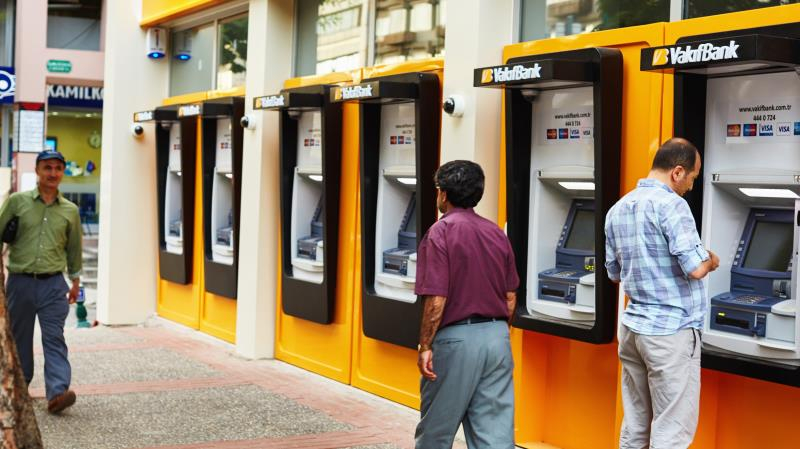
Many around the world are getting ready to celebrate the Feast of Sacrifice, an Islamic holiday known as Eid Al-Adha in Arabic.
In Turkey, it’s an official holiday where families come together and most Turks enjoy a long vacation. But this year Turkish citizens hoping to travel abroad are feeling some of the pain caused by the recent decline of the lira.
The currency lost over 40 percent of its value this year, but the decline has been exacerbated by a political dispute pitting Turkey against the United States. Angered by Turkey’s refusal to release American pastor Andrew Brunson, charged with espionage and terror links, the US imposed sanctions on two Turkish ministers – then imposed extra tariffs on Turkish imports. Both moves were reciprocated by Turkey in retaliation.
Though on Friday US President Donald Trump signaled more sanctions were yet to come if Brunson was not released, Erdogan remained defiant. The Turkish leader stated that he would challenge those playing “games on the economy” as he called it.

AK party supporters with Turkish lira symbol t-shirts. / Reuters Photo
AK party supporters with Turkish lira symbol t-shirts. / Reuters Photo
On Saturday, Erdogan spoke during a congress of the ruling AK Party. The crowd cheered him on, some wearing t-shirts with the Turkish lira symbol on their back, in a show of support to the currency’s recent struggles. During the week, some Turks were seen lining up in front of currency exchange offices to change their dollar savings into liras in support of Erdogan, who had called on citizens to support this “national struggle.”
But some Turks are also feeling the impact of the lira's fall as the week-long holiday approaches.
“I was planning to go abroad on holiday to music festivals in Hungary and Croatia but because the exchange rate increased so much my budget is insufficient now…I don’t plan to leave Turkey now,” said a young man named Rusen.
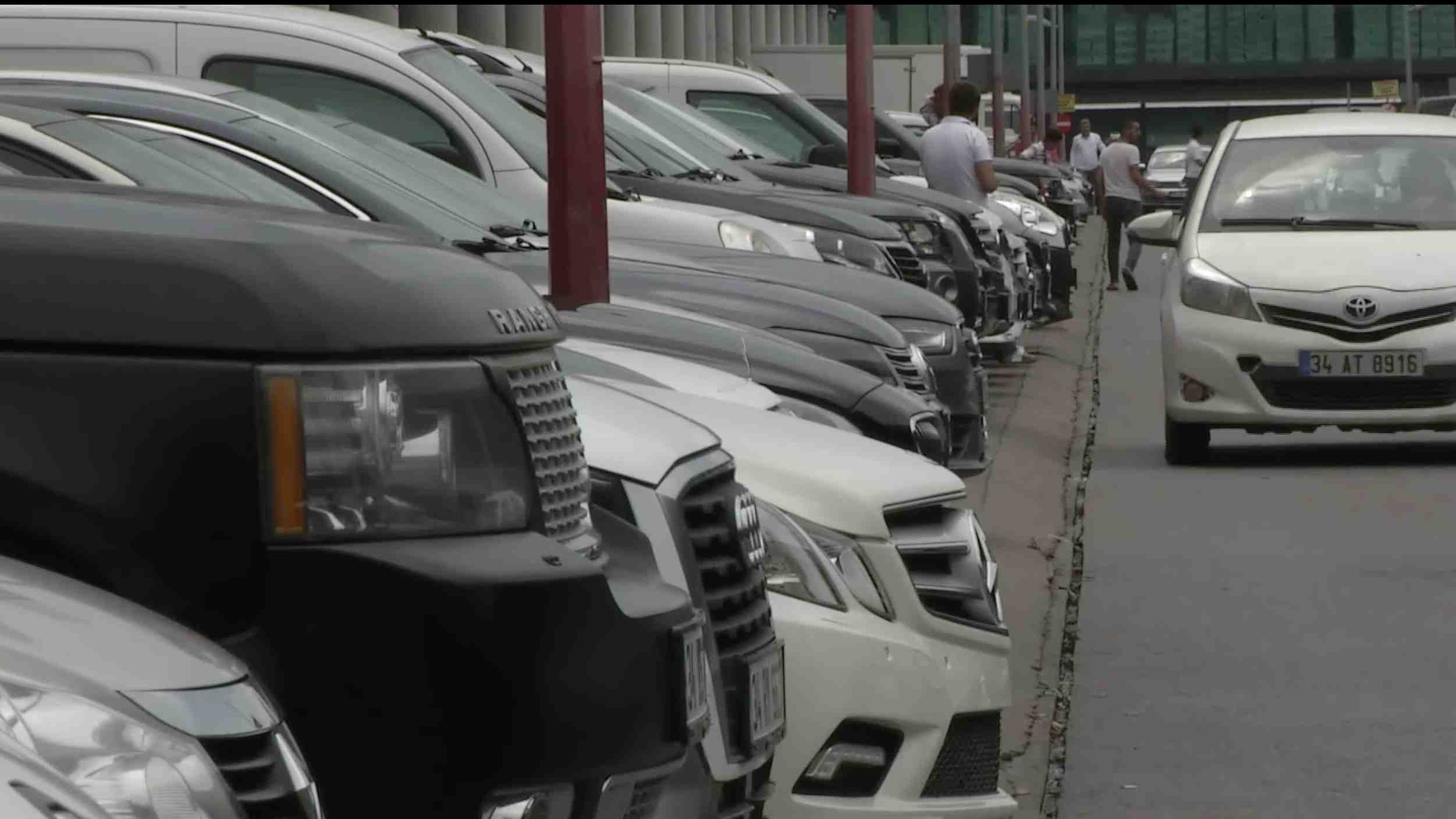
Istanbul car gallery. /CGTN Photo
Istanbul car gallery. /CGTN Photo
Meanwhile, there are different impacts on the tourism industry in Turkey. Some tourists are benefiting from the lira's declining value – and are thus shopping more than expected. But tour agencies may suffer some of the consequences.
“The situation could negatively impact travel agencies because tours have been sold in Turkish liras in exchange for euros and dollars mostly with credit cards in payments of six, maybe 12, installments, which means the agents will lose profit,” said the owner of the Delicia Tour Agency.
Some analysts are worried that in the long term, the loss of value in the Turkish lira could potentially have an impact on industries that import expensive products. One example is the automotive industry. Sedat, owner of an automotive gallery, said the company phone has stopped ringing recently. He explained that because they “are dependent on foreign cars, when the exchange rate increases our prices will increase, which will tighten the market.”
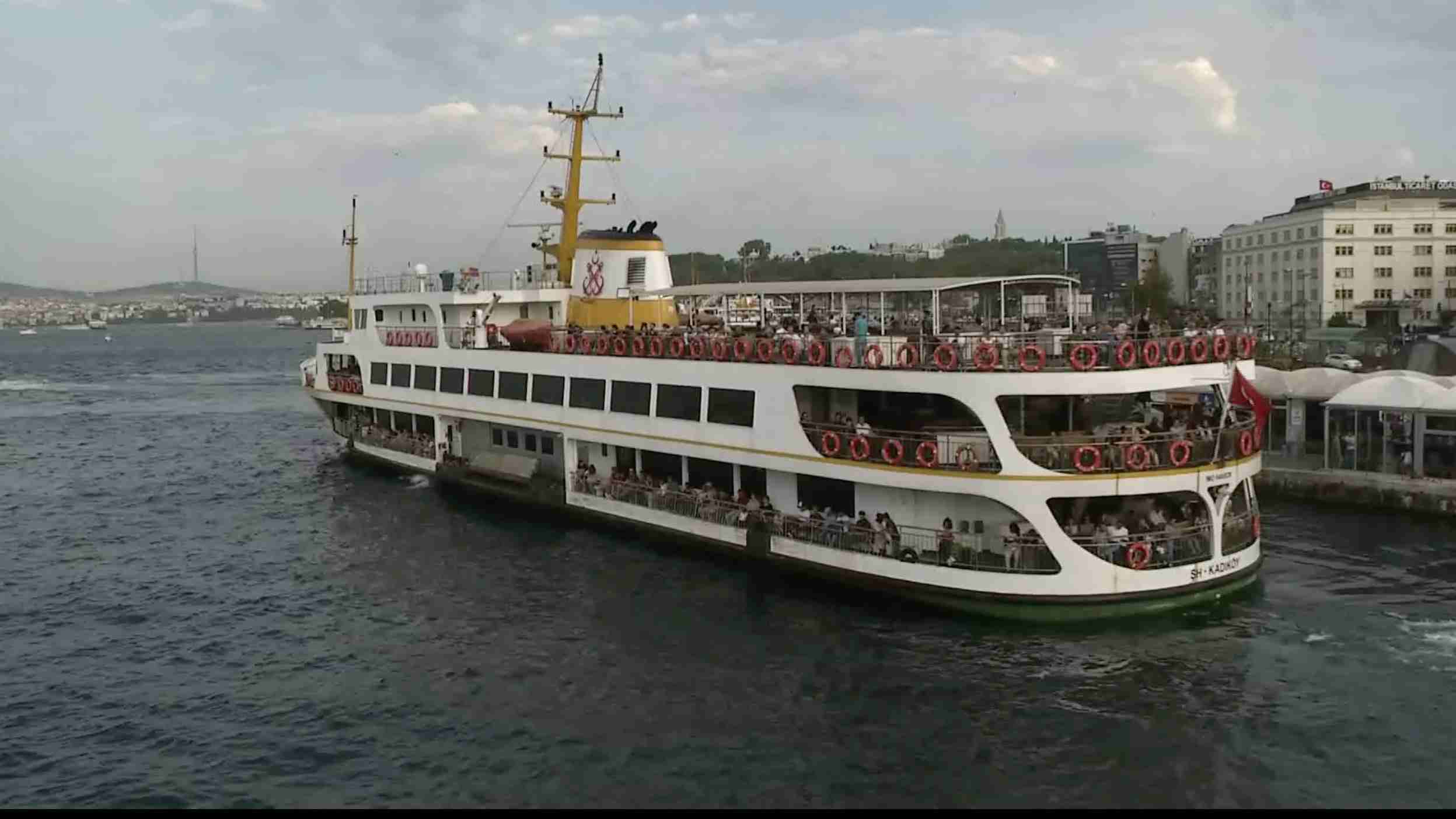
Istanbul ferry. /CGTN Photo
Istanbul ferry. /CGTN Photo
Nevertheless, Sedat is hopeful that Turkey will soon manufacture cars domestically and believes 2019 will be better.
Meanwhile, as Turkey fights back what Erdogan calls an “economic war” with the US – Ankara received some supportive words from China. It was reported that during a phone conversation with Turkish Foreign Minister Mevlut Cavusoglu, his Chinese counterpart Wang Yi expressed support of Turkey’s effort to carry on economic and social development.