
Climate
15:58, 16-Sep-2018
Cheers! Climate change is changing champagne
Updated
15:15, 19-Sep-2018
 ["china"]
Share







Copied
02:35
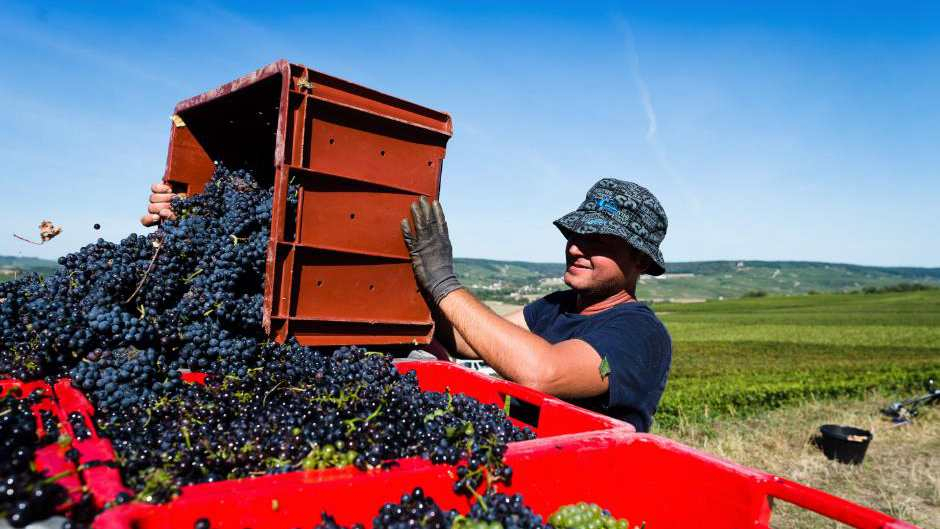
Everywhere in the world, wine growing regions are confronted with climate change. In the Champagne region in France, however, winemakers have reason to cheer. This year's exceptional meteorological circumstances may lead to the best champagne of the century.
A calm but wet spring and a long hot summer resulted in perfect conditions for the grapes in this region, just an hour and a half east of Paris.
Over the past four weeks, more than 120,000 seasonal harvesters woke up early to pick the grapes in the burning sun. This weekend they've done their job.
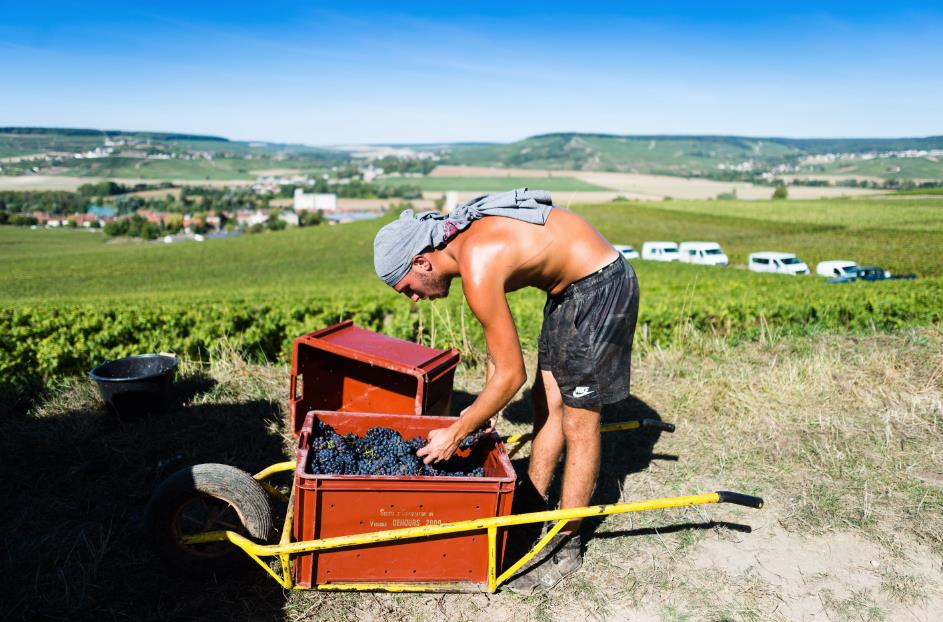
A seasonal grape picker in the Dehours' vineyard /CGTN Photo
A seasonal grape picker in the Dehours' vineyard /CGTN Photo
Because of the high temperatures, even now in September, the grapes will be transported directly to the wine press, a few kilometers down the hill. The grape juice is collected in large iron casks and starts its transformation into the world's most famous sparkling wine.
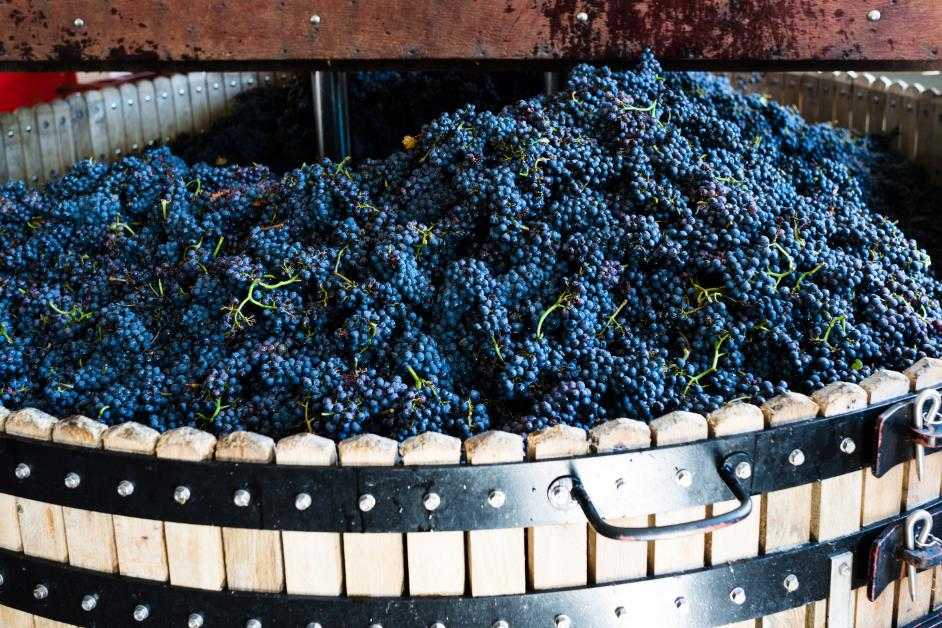
Due to this year's exceptional circumstances, grapes are pressed just a couple of hours after they have been picked. /CGTN Photo
Due to this year's exceptional circumstances, grapes are pressed just a couple of hours after they have been picked. /CGTN Photo
"This year's grapes are more mature, will need less sugar, and will have a higher alcohol percentage than usual. It's all beneficial to the wine," said Jerome Dehours. He is the owner of Dehours & Fils in Mareuil-le-Port, a champagne house his family started in the 1930s.
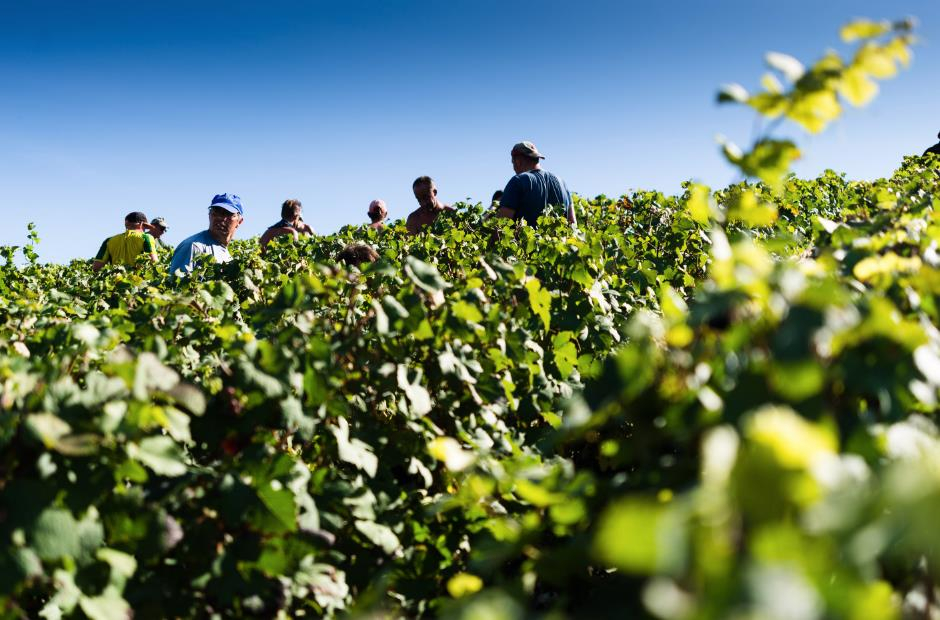
This year, harvesting started two to three weeks earlier than usual. /CGTN Photo
This year, harvesting started two to three weeks earlier than usual. /CGTN Photo
Temperatures in Champagne have risen 1.2 degrees Celsius in the last thirty years. Dehours is worried about climate change but is also optimistic, calling it the Champagne Paradox.
Thanks to global warming, the world famous sparkling wine will become better and better in the next decades. However, climate change is a cause for concern in other regions. In the east of the country, in the Alsace, and in German wine regions, growers this year lost 20 to 30 percent of their grapes. And in areas like Burgundy and Bordeaux, the wine houses know that to survive, they will have to start growing different grapes. The character of their wines will change dramatically.
Up north, in the Champagne, it's a different story. "I think I have never seen this level of quality in thirty years," Jerome Dehours told CGTN when he poured himself a sizzling glass of his produce. Exceptional years get their vintage wine. But it takes a long time before these vintages are ready to drink.
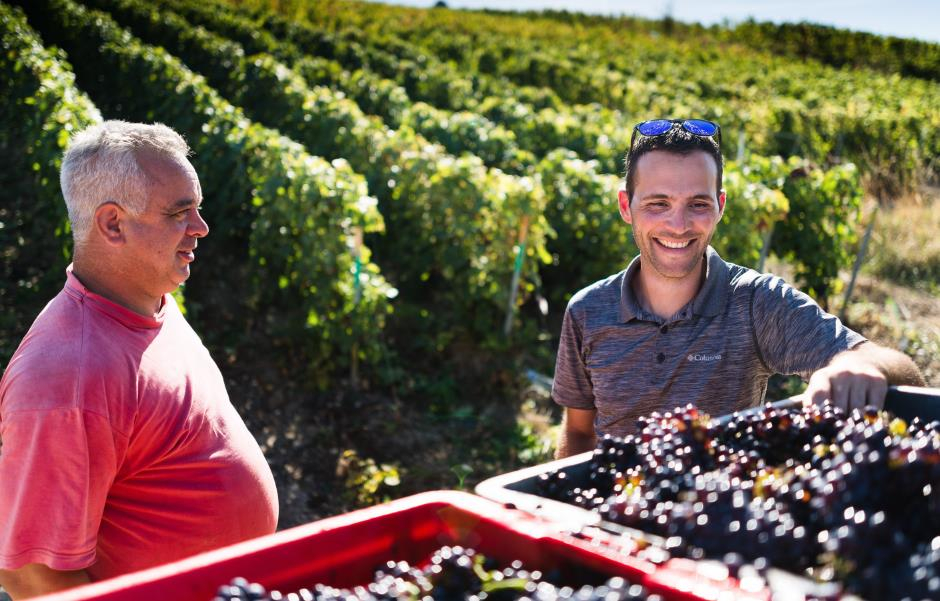
Harvested now, these grapes won't find their way to your glass before 2028. /CGTN Photo
Harvested now, these grapes won't find their way to your glass before 2028. /CGTN Photo
"I think we will bring our 2018 Vintage on the market in 2028," said Dehours. That's a long wait, but then again, champagne lovers often call the bubbles "the Queen of the Wines."
(Top image: Grapes of the Dehours vineyards pictured just minutes after picked /CGTN Photo)