
Opinions
22:44, 07-Aug-2018
The trouble with tariffs: Australia could get hurt if giants collide
Updated
22:08, 10-Aug-2018
 ["china"]
Share







Copied
02:35
US President Donald Trump put trade war fears firmly back on the agenda when the US threatened China with tariffs on billions worth of goods and China threatened back with its own tariffs, in a tit-for-tat escalation between the world’s two largest economies.
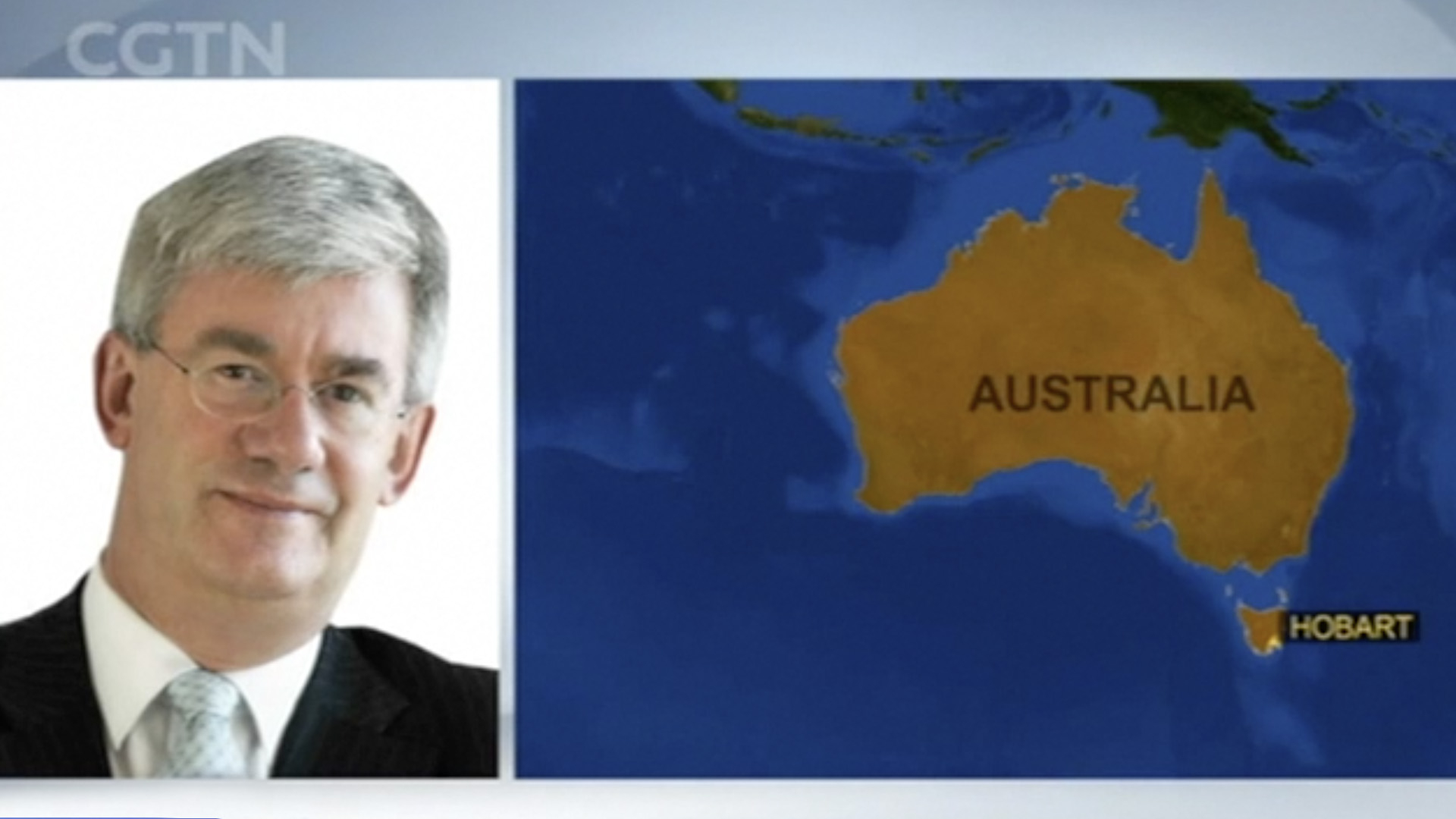
Such a scenario, according to Saul Eslake, the independent consulting economist based in Tasmania, Australia, and former Chief Economist of ANZ Bank, certainly have implications for Australia.
Australia has a free trade agreement with the United States, who takes less than four percent of Australia’s exports. Australia has also been exempted from the US tariffs on steel and aluminum. But when asked about whether Australia should worry about Trump's unilateral and protectionist measures on trade, Eslake says although the direct effect on Australia is not very large, there are still questions to be raised.
“Our concern is rather with the indirect effects. Australia would be adversely affected by some of the side effects of American tariffs on Chinese exports to the United States via all sorts of coal and iron ore. And we are also worried about the broader impacts on business confidence globally of an escalation of tariff measures and protectionist sentiment more broadly, which institutions like the IMF now identify as the biggest source of downside risk to the global economy. And Australia would be affected by those things,” said Saul during a phone interview with Asia Today on CGTN.
When asked about how Australia can deal with the trade spat between it's biggest trade partner China and its ally the United States, Saul said “the most that we can do is encourage both the US and China to settle their differences using the rules-based international trading system through the World Trade Organization. And Australia, like other small economies, benefits from a rules-based international system. We hope that big countries will work within that system, uphold its rules, and settle their differences peacefully, as small countries stand to be big losers from any major outbreak between the world’s biggest economies.”
According to Australia’s Department of Foreign Affairs and Trade, the total value of Australian exports in 2017 grew 14.8 percent to 386 billion Australian dollars (287.1 billion US dollars). China is Australia’s biggest trade partner with bilateral trade up 16 percent to 183.4 billion Australian dollars (136.4 billion US dollars).