
Tech & Sci
15:07, 23-Oct-2018
Unable to recycle waste after China ban, UK dumps plastic in Malaysia
Updated
14:19, 26-Oct-2018
 ["europe"]
Share







Copied
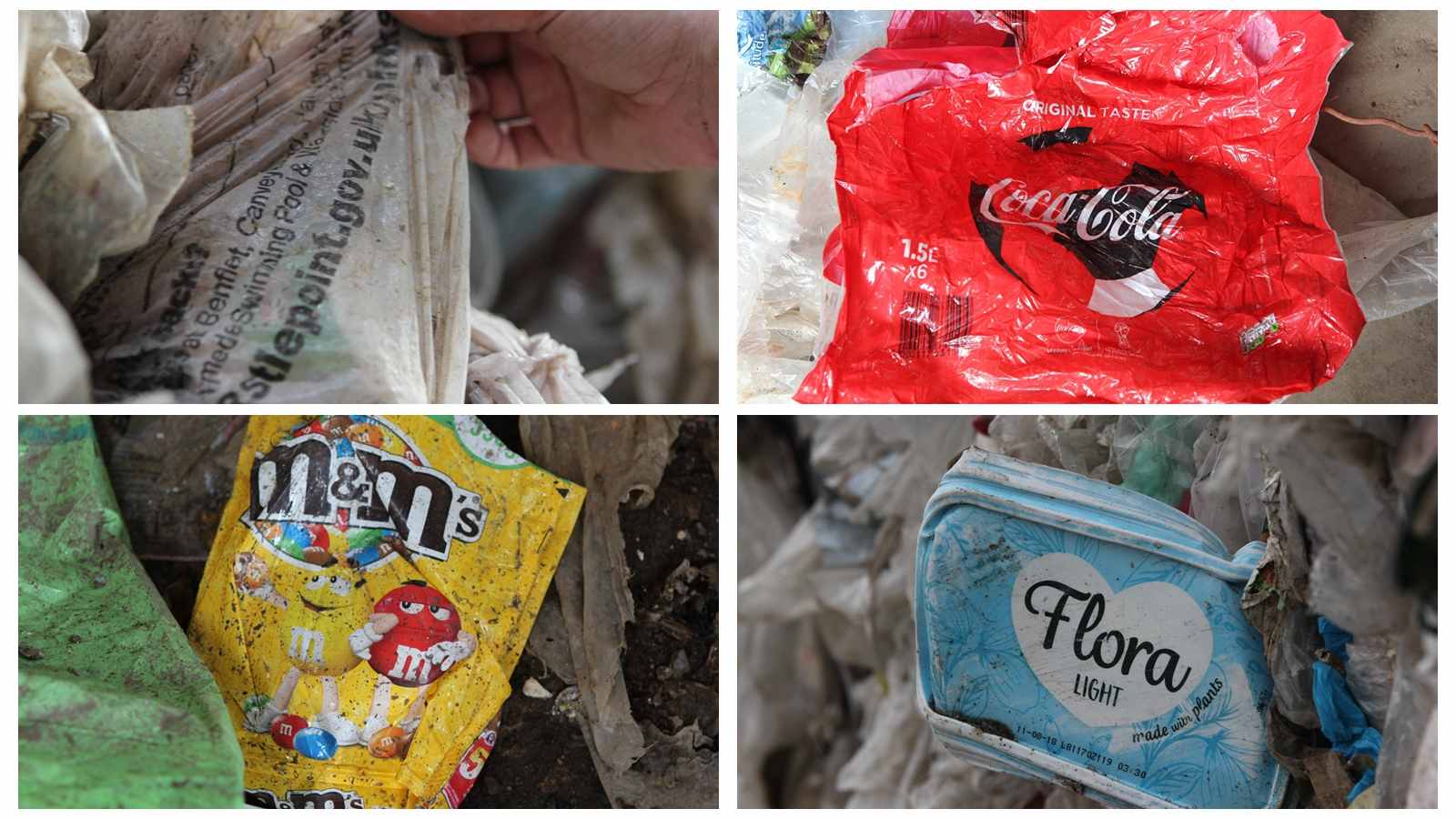
Unable to recycle its waste following China's ban, the UK is reportedly dumping illegal plastic in Malaysia, an investigation revealed.
Plastic trash used by brands commonly found in UK supermarkets were discovered at various landfills near Kuala Lumpur. The dumped waste included Fairy dishwasher tablets, Yeo Valley, and Tesco crisps.
At Klang, Malaysia's largest port, sacks from European and British plastics were being burned at the dump site. Tesco's bags, McCain's oven chips, Yazoo yogurt drinks, and Heinz baked beans wrappers were seen at another landfill located in Ipoh, wrote an investigative report released by Greenpeace and The Daily Telegraph on Monday.
Most British consumers believe that the country's segregated waste is being recycled. However, the probe found plastic either ends up in a landfill or burned thousands of miles away from the UK, causing toxic emissions. Residents, living near the landfill and recycling units have said that fumes from the recycling units are impacting their health.
“The UK household recycling dumped in illegal sites thousands of miles from home expose just how serious our plastic waste crisis is,” Louise Edge, a campaigner with Greenpeace said.
After China's ban on waste imports, early this year, Malaysia became a top destination for recycling UK's trash. Between January and August 2018, the UK exported over 88,000 tons of plastic scrap to Malaysia – more than a quarter of the UK's total plastic scrap exports, the report claimed.
Apart from Malaysia, other Southeast Asian countries are also facing massive waste dumping by the UK and other developed countries. Vietnam and Thailand are considering enforcing a waste import ban. Malaysia recently canceled the import permits for 114 factories that process plastic waste.
The recent investigative report comes barely a few months after the UK's Environment Agency initiated a probe into claims of fraud in the country's recycling exports system. There were allegations that exported plastic waste is not being properly recycled.
Based on a report from the UK National Audit Office (NAO), the government has regulated that companies handling waste must recycle a portion of it.
The government provides a financial incentive for re-processors and exporters to increase packaging recycling capacity to meet the EU targets. The incentive is a part of an agreement that holds companies responsible for contributing to the costs of recycling the packaging they put on the market.
“We are concerned that the [Environment Agency] does not have strong enough controls to prevent the system subsidizing exports of contaminated or poor-quality material,” the NAO's report noted.
(Top Image: Plastic waste from the UK dumped at various landfills in Malaysia. /Greenpeace Photo)