
Aviation
09:47, 09-May-2018
Uber, US Army ally to test quiet aircraft technology
 ["north america"]
Share







Copied
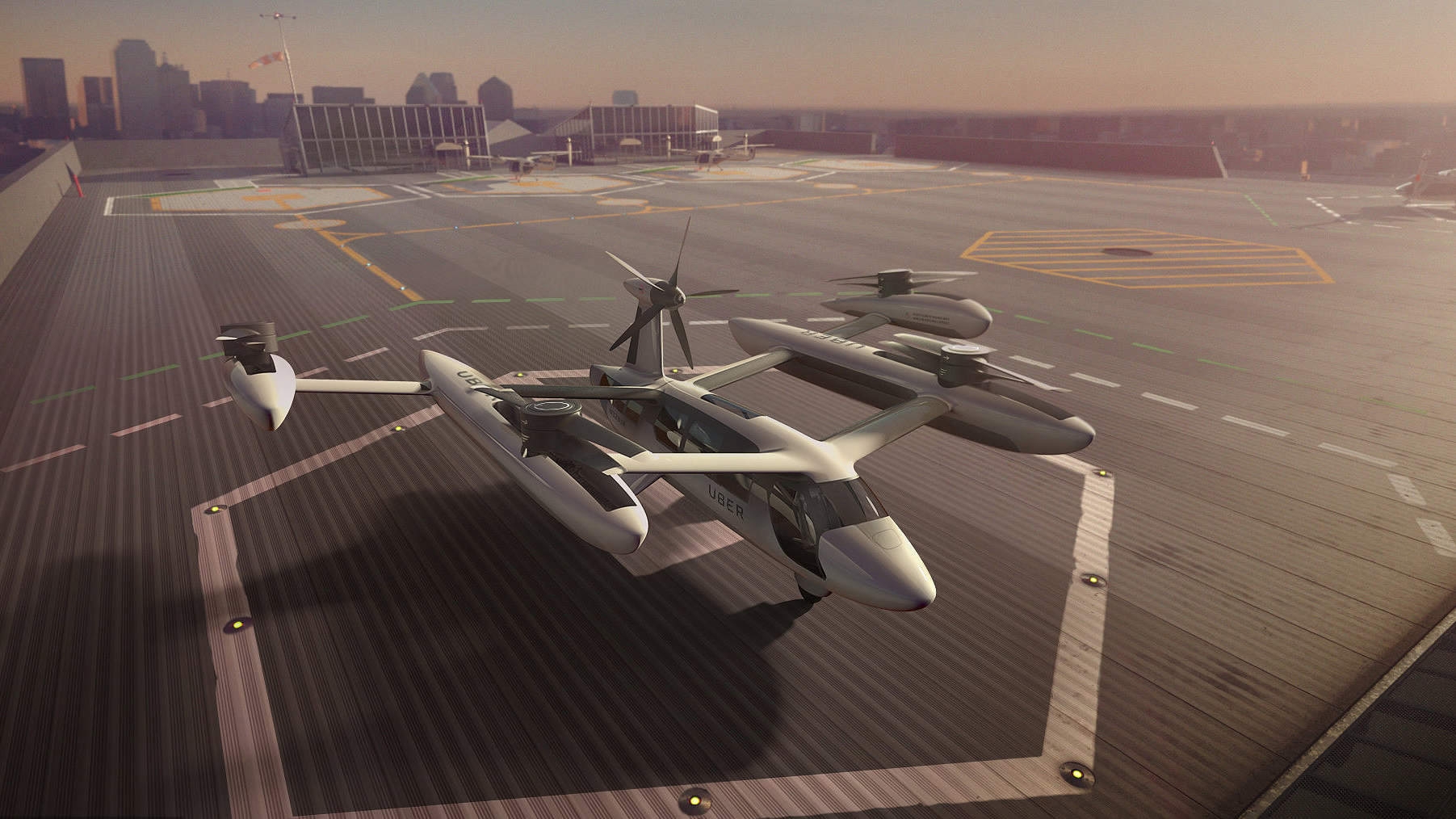
Uber said on Tuesday it would work with the US Army to advance research on a novel, quiet aircraft rotor technology that could be used in future flying cars, or military aircraft.
The alliance highlights stepped-up efforts by Uber and other companies to transform flying cars from a science fiction concept to real hardware for residents of mega-cities where driving is a time-consuming bore.
In a statement, Uber and the Army’s Research, Development and Engineering command said they expect to spend one million US dollars to develop and test prototypes for a rotor system that would be used on a vertical take-off and landing vehicle.
The system would have two rotors stacked on top of each other, rotating in the same direction under the command of sophisticated software. This approach, which Uber and the Army said had not been deployed in a production aircraft, could lead to quieter operation than conventional stacked rotor systems.
“Achieving ultra-low noise is one of the critical obstacles” to deploying aerial taxis in urban areas, Rob McDonald, head of vehicle engineering for Uber Elevate, the company’s flying car operation, said in an interview.
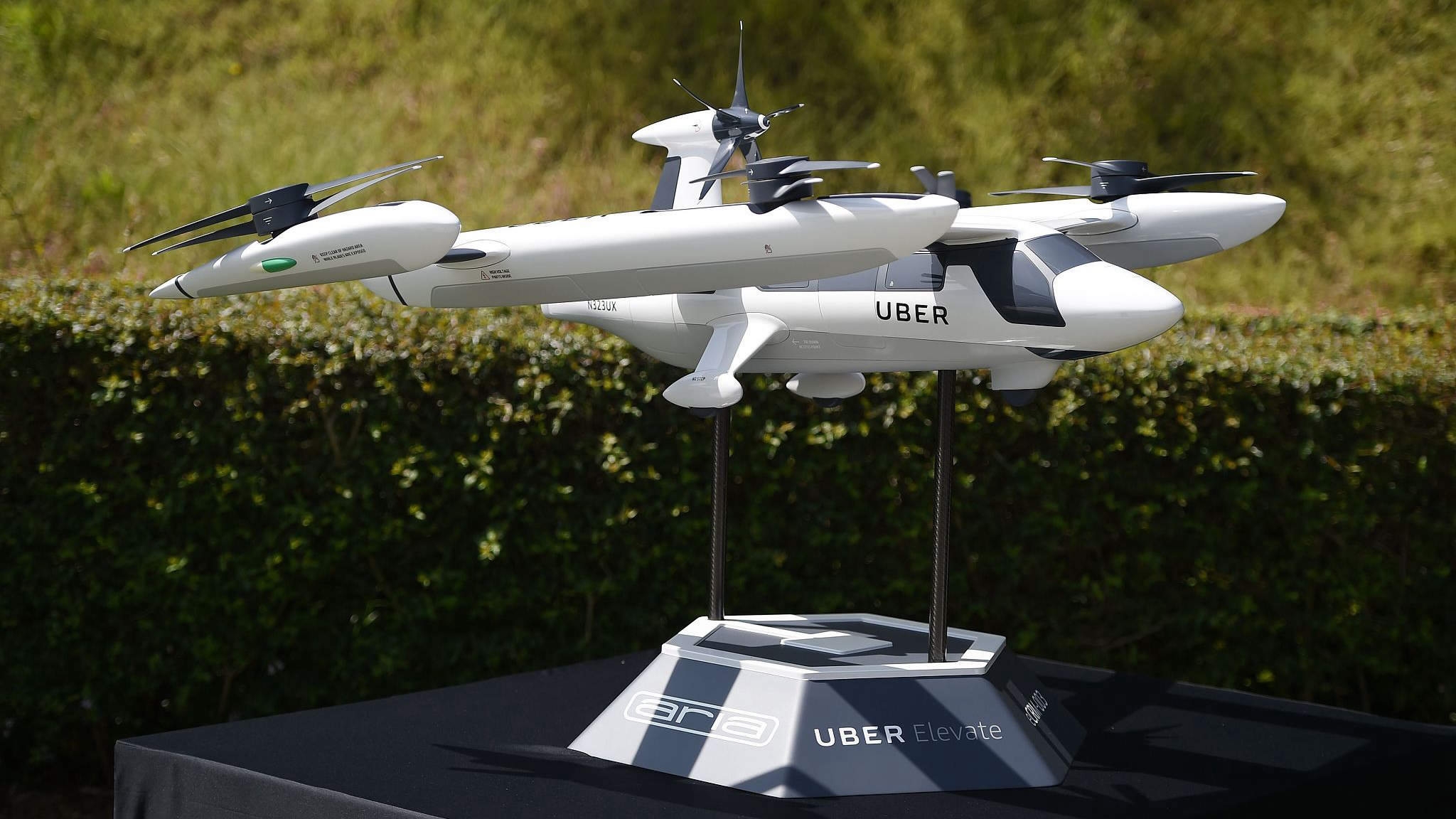
A model of Uber's electric vertical take-off and landing vehicle concept (eVTOL) flying taxi is displayed at the second annual Uber Elevate Summit, on May 8, 2018 at the Skirball Center in Los Angeles, California. /VCG Photo
A model of Uber's electric vertical take-off and landing vehicle concept (eVTOL) flying taxi is displayed at the second annual Uber Elevate Summit, on May 8, 2018 at the Skirball Center in Los Angeles, California. /VCG Photo
The Army wants to develop a new generation of unmanned drones that do not need runways and are quieter than current drones, said Dr. Jaret Riddick, director of the US Army Research Laboratory’s Vehicle Technology Directorate.
The Army is increasingly turning to partnerships with private companies to research advanced technology, Riddick said in an interview.
Uber is one of several companies, including aircraft makers Boeing and Airbus and a venture backed by Google co-founder Larry Page, that are investing in the concept of small, automated and electrified aircraft that could be used to ferry passengers or cargo across congested cities.
Uber said it would develop its low noise rotor system in collaboration with Launchpoint, an engineering company focused on electric and hybrid aircraft technologies in California.
Uber is holding a conference on flying vehicles this week in Los Angeles.
Uber working with NASA
On Tuesday Uber signed an agreement with NASA to explore concepts and technologies needed for passenger and cargo air transportation within an urban area.
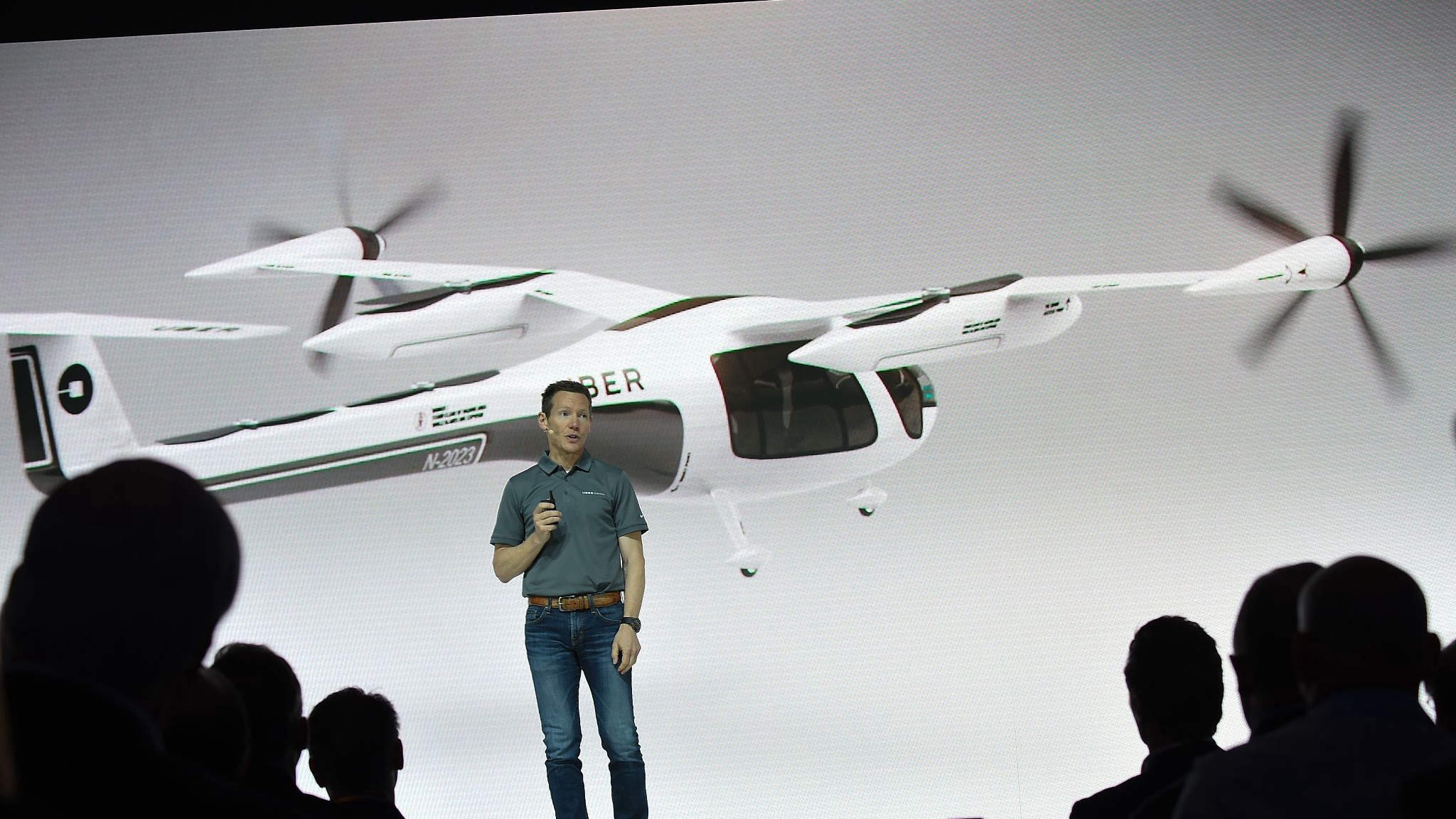
Jeff Holden, Uber chief product officer, speaks at the second annual Uber Elevate Summit, on May 8, 2018 at the Skirball Center in Los Angeles, California. /VCG Photo
Jeff Holden, Uber chief product officer, speaks at the second annual Uber Elevate Summit, on May 8, 2018 at the Skirball Center in Los Angeles, California. /VCG Photo
This is Uber’s second agreement with the US space agency. As part of the pact, the ride-hailing company will share data related to its efforts to build flying taxis in 2020 for the development of NASA’s urban air mobility (UAM) program.
“Using data from Uber, NASA will use its research facility at the Dallas-Fort Worth (DFW) airport to simulate a small passenger carrying aircraft as it flies through DFW airspace during peak scheduled air traffic, and analyze if these operations would trigger traffic collision advisories,” Uber said in a statement.
Uber on Tuesday also released a new prototype for flying taxis at its annual Elevate Summit.
In November, the company said it was working with NASA to develop a software which could be used to manage flying taxi routes and would work like ride-hailing services that Uber has popularized on the ground.
9514km
Source(s): Reuters