
Business
17:17, 31-Jul-2018
BOJ takes steps to make policy flexible but vows to keep rates low
Updated
16:32, 03-Aug-2018
 ["other","Asia"]
Share







Copied
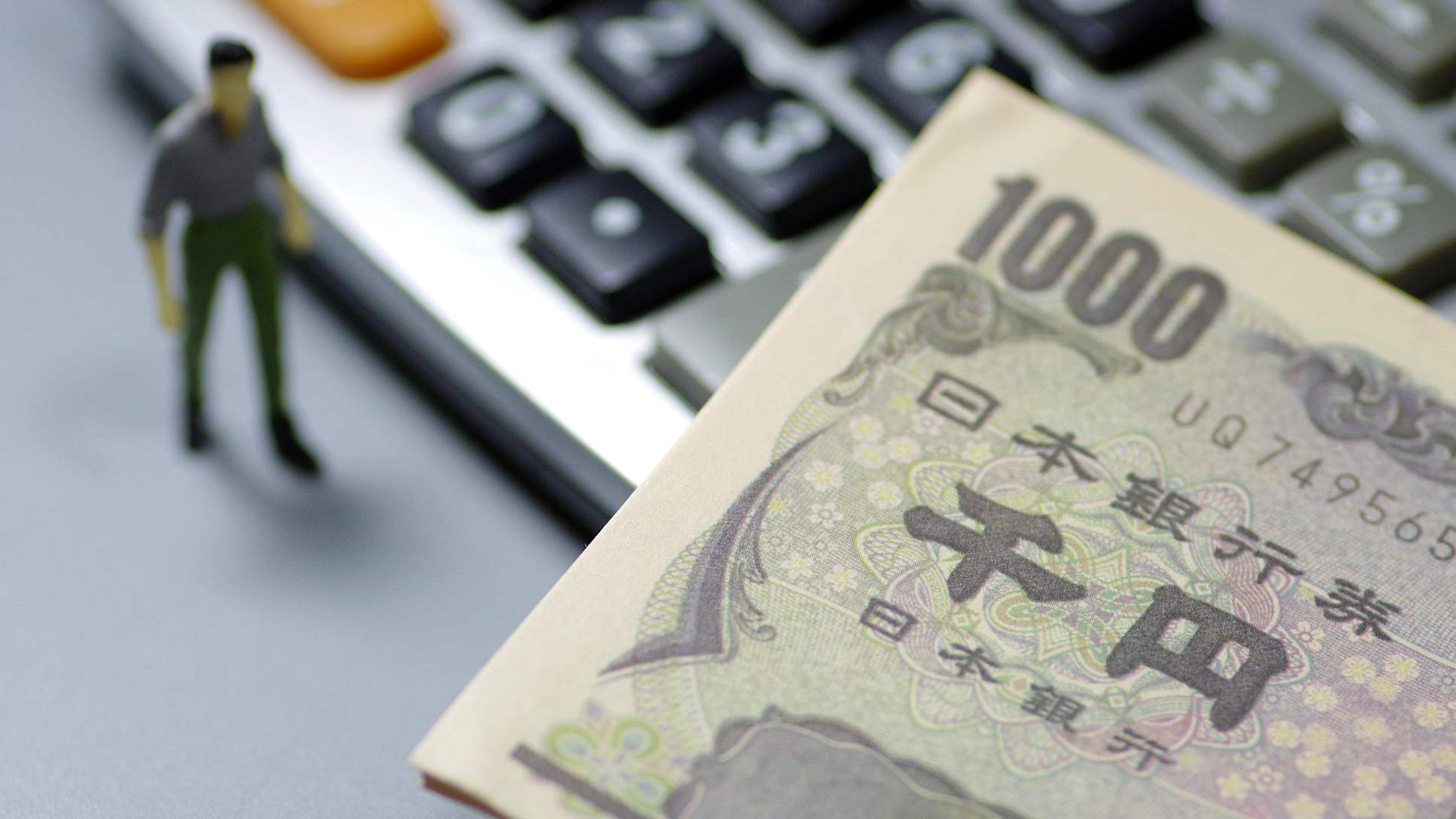
The Bank of Japan took measures to make its massive stimulus program more flexible and pledged to keep interest rates low for the time being on Tuesday, reflecting its forecast that it would take time for inflation to hit its two percent target.
The decision underscored the challenges the BOJ faces as stubbornly weak inflation forces it to maintain a massive stimulus program despite the rising costs of prolonged easing.
The changes indicate that while Governor Haruhiko Kuroda plans on keeping the radical stimulus program in place for now, he is looking at the impact the policies are having on other parts of the economy, such as the financial markets and banking system.
“This is the first time we will introduce forward guidance on interest rates. We’ve adopted this to ensure market trust in our policy as we will be maintaining our massive stimulus longer than initially expected. There was some speculation in the market that the BOJ will seek an early exit from stimulus, or raise rates soon. With this guidance, we can dispel such speculation,” said Haruhiko Kuroda.
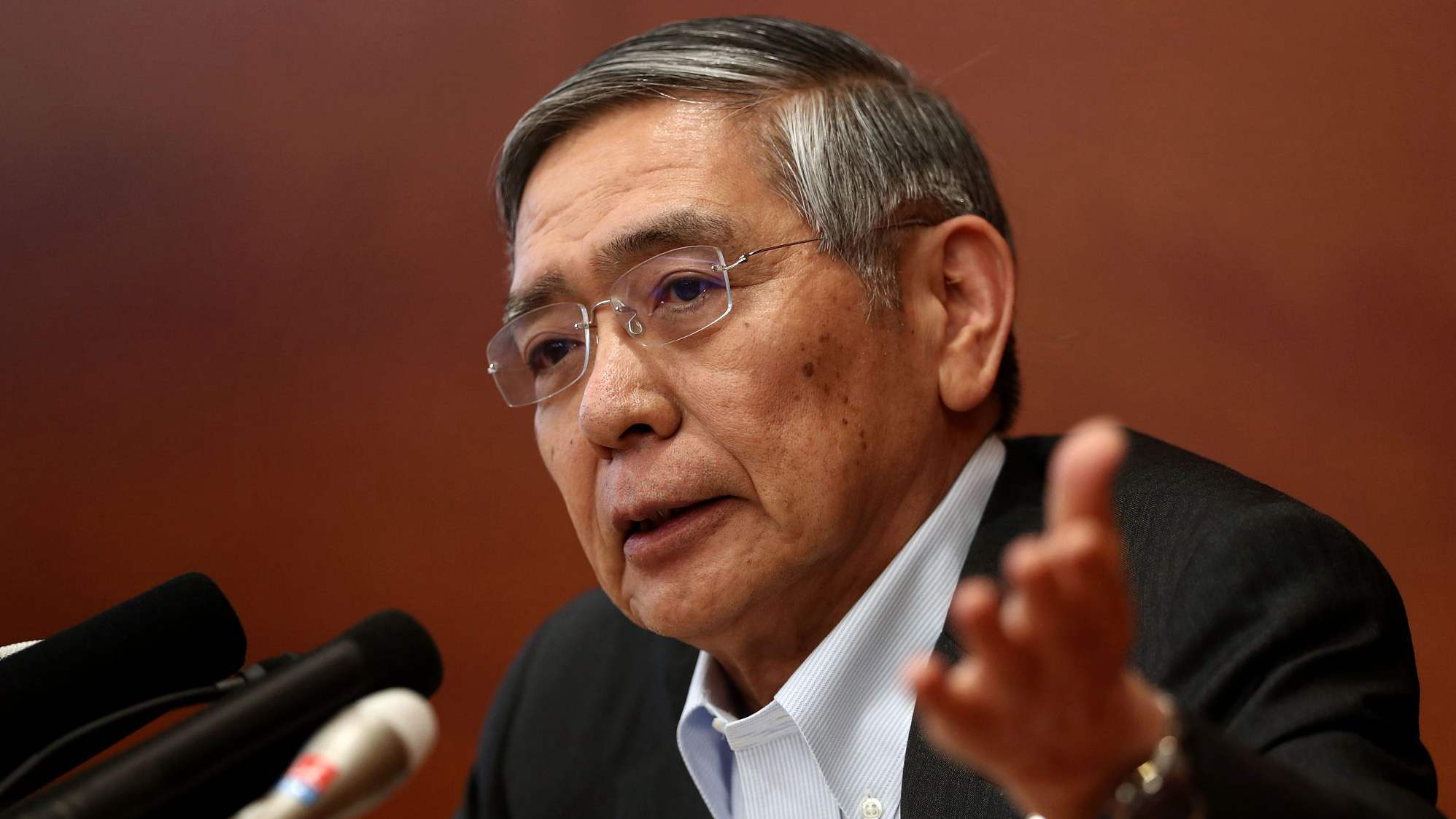
Bank of Japan Governor Haruhiko Kuroda speaks during a press conference in Tokyo on July 31, 2018. /VCG Photo
Bank of Japan Governor Haruhiko Kuroda speaks during a press conference in Tokyo on July 31, 2018. /VCG Photo
At a two-day rate review that ended on Tuesday, the BOJ decided to maintain its short-term interest rate target at minus 0.1 percent and a pledge to guide 10-year government bond yields around zero percent by a 7-2 vote.
But the central bank said it would allow long-term rates to fluctuate depending on economic and price developments, and conduct its asset purchases more flexibly.
“Yields may move upward and downward to some extent mainly depending on economic and price developments,” even as the BOJ guides them around zero, the central bank said in a statement announcing the policy decision.
The bank also said it will conduct bond purchases in a “flexible manner” in meeting a loose pledge to increase its bond holdings by around 80 trillion yen (720.27 billion US dollars) per year.
The Governor also mentioned the ETF buying policy. “The BOJ’s ETF buying could exceed or drop below 6 trillion yen at times. By allowing this to happen, the effect of our purchases will heighten,” said Haruhiko Kuroda.
Japanese shares pared losses while the yen fell and yields on Japanese and US bonds declined on Tuesday after the BOJ decision, which stayed away from making drastic changes to its accommodative policy.
The Nikkei turned positive while the dollar gained 0.25 percent against the yen to 111.33 yen.
Source(s): Reuters