
Animal
21:16, 21-May-2018
Six pygmy elephants found dead on Malaysian Borneo
 ["china"]
Share







Copied
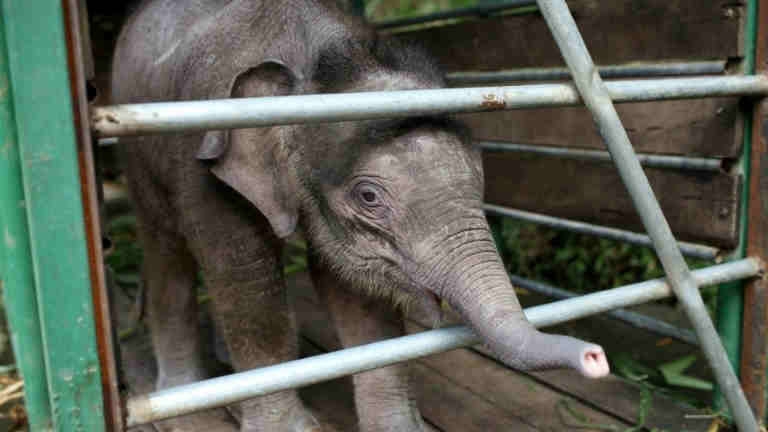
Six Borneo pygmy elephants have been found dead in Malaysian palm oil plantations in recent weeks, officials said Monday, the latest of the endangered creatures to perish as their rainforest habitat is devastated.
The carcasses of the elephants, aged between one and 37, were discovered at different locations in Sabah state on Borneo island, local wildlife department director Augustine Tuuga said.
"We are currently conducting tests on their internal organs," he said, adding the carcasses did not have any signs of gunshot wounds.
Tuuga said the elephants could have accidentally consumed fertilizer in the palm oil plantations, which could have poisoned them.
The Star newspaper, citing conservationists, said the creatures might have drunk from poisoned watering holes.
The pygmy elephants, the smallest type of elephant in Asia, are baby-faced with oversized ears, plump bellies and tails so long they sometimes drag on the ground as they walk.
There are about 2,000 pygmy elephants in the wild. Late last year three were killed by poachers.
In 2013, 14 pygmy elephants were found dead in Sabah – a Malaysian state occupying the northern part of Borneo island – and were thought to have been poisoned.
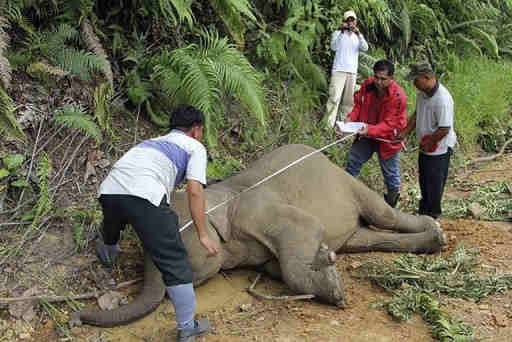
Januray 29, 2013: Malaysian wildlife department officials measure a dead pygmy elephant in Sabah state, after 14 Borneo pygmy elephants were found dead of suspected poisoning. /AFP Photo
Januray 29, 2013: Malaysian wildlife department officials measure a dead pygmy elephant in Sabah state, after 14 Borneo pygmy elephants were found dead of suspected poisoning. /AFP Photo
They are threatened by widespread logging of their natural habitat to make way for lucrative palm oil plantations, and are targeted by poachers as their ivory fetches a high price on the black market.
As the third largest island in the world, Borneo was historically covered by extensive rainforest and is home to a number of rare animals, including pygmy elephants. But as timber and palm oil industries came in the way since the 1960s, mass deforestation caused habitat loss, and human-elephant conflicts happen from time to time.
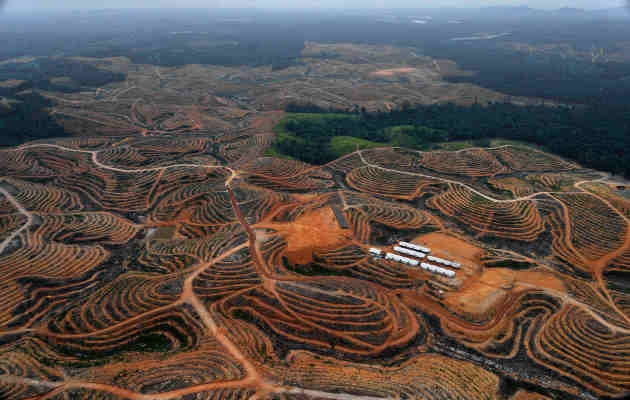
An area in Borneo's Central Kalimantan province cleared for palm oil plantations /AFP Photo
An area in Borneo's Central Kalimantan province cleared for palm oil plantations /AFP Photo
(Top image: File photo via AFP)
Source(s): AFP