
Art
14:44, 26-Mar-2019
Van Gogh’s painting ‘The Oise at Auvers’ is not as dreary as it looks
 ["china"]
Share







Copied
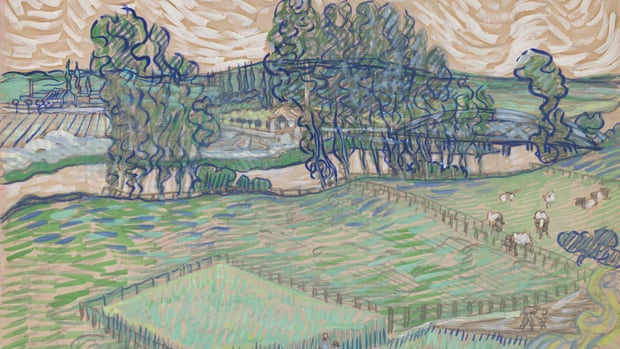
Van Gogh's watercolor “The Oise at Auvers”, which depicts a midday scene in the French countryside was revealed to not be as dreary as it looks when Van Gogh painted it, conservators at Tate Britain discovered.
According to the report of the Guardian, the sky and river in “The Oise at Auvers” is not the coffee-stain brown as it appears today, but vivid pink. The reason why the paints faded is because Van Gogh used cheap pin pigment as he was cash-strapped.
Conservators discovered this as they prepared for a show, which aims to examine Van Gogh's relationship with Britain. They removed the painting's frame and mount and the glorious pink leaped out.
“It is amazing, isn't it,” said Carol Jacobi, the lead curator of the exhibition. “The thing that fascinates me is that he has got this particular effect you get at the end of the day when the sky is lighter than the landscape but it will light up in the water that's in the landscape,” reported the Guardian.
The painting was created two months before Van Gogh shot himself in 1890, and was believed to be one of his final painted landscapes. The discovery fits with the depiction of his letter when he wrote: “I have seen the whole sky colored pink and bright orange.”
The show named "Van Gogh and Britain" will run from March 27 to August 11, and there will be more than 50 works displayed to explore how the painter was inspired by British culture.