
Opinions
17:44, 11-Jun-2018
The mission of SCO
 ["china"]
Share







Copied
04:28
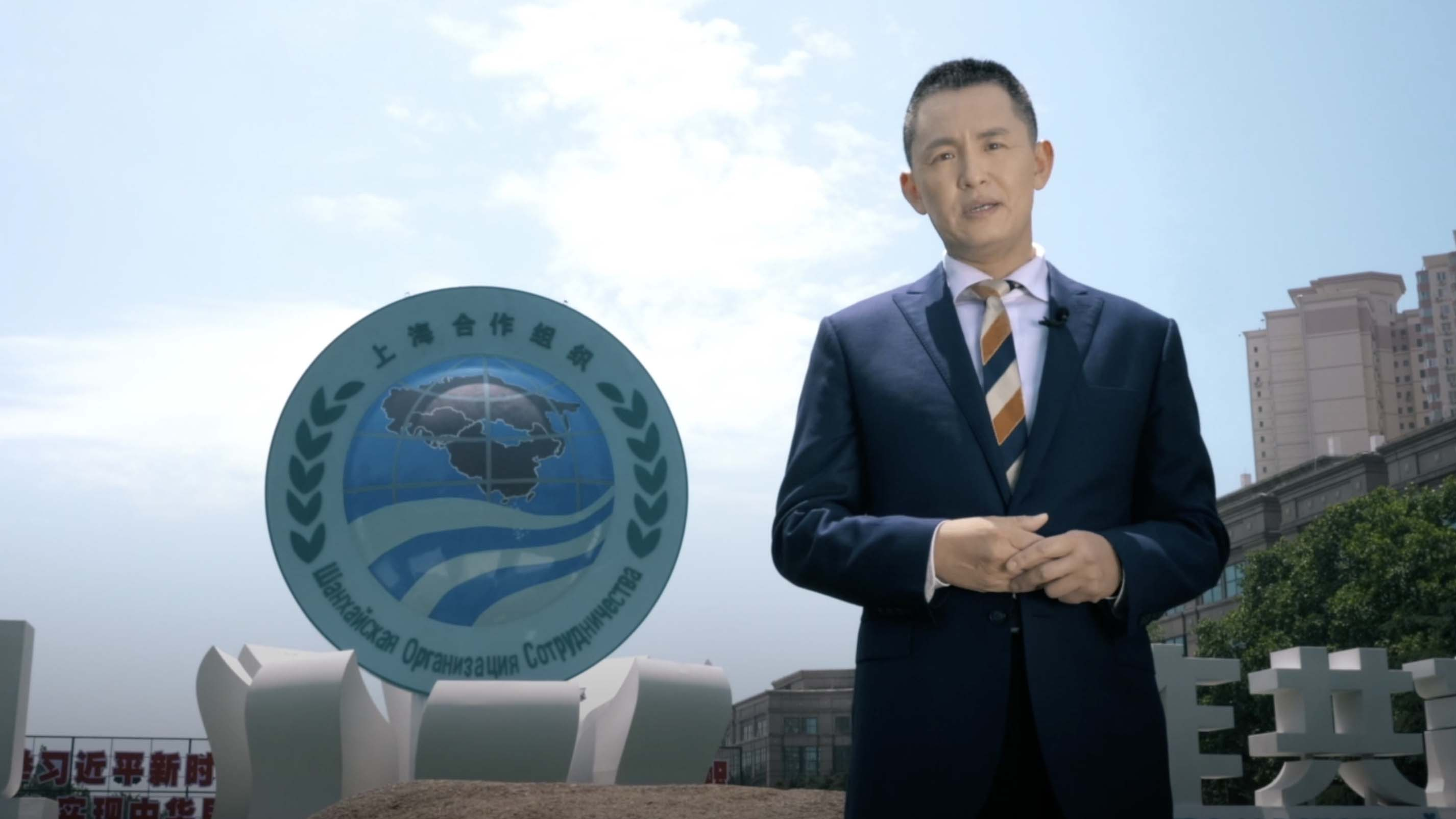
The Shanghai Cooperation Organization has just declared its vision for the next five years in Qingdao. The SCO has new members and new agendas. But why these countries, and what are their aims? Well, we can probably look back at history for some clues.
In 1271, an Italian visited many of the places we now call SCO countries. What he found was a trade route traversing the vast difficult geography of Eurasia; it was the Silk Road. His name is Marco Polo. But what is the new ethos of the Silk Road? The answer is also SCO: S for security, C for complexity and O for opportunity.
If security is a game, it is not chess of the West, it is Go of the East. There is no such thing as absolute security, all security is relative. In the game of Go, we don’t checkmate, we compare advantages.
The best security is mutual. Be it territorial, economic or social, no country is able to go it alone and be secure. And no one likes a bully who is always winning by forcing hands. And a lot of people saw one at the G7 gathering in Quebec. But in Qingdao, the parties tried to play a different game.
Then there is complexity. Complexity is a reality in Eurasia. There is complexity within – the countries are diverse and have lived in the shadow of war, conflicts and suspicion.
With the joining of rivals like India and Pakistan, the SCO itself must survive and can only thrive by being good at managing complexity. More than at anytime in history, humans need a fair world order. Institution-building has to catch up and the SCO could midwife a new order.
And there is complexity without. The US is not only becoming selfish, it is turning rogue. Any responsible country must look at complexity in the face. Simplicity is deceivingly sweet and "me first" may only serve you well for a while.
But it simply makes no sense to grandstand for political convenience like what the current American leader does. John F. Kennedy’s words still ring a bell. Building connectivity, boosting trade and bolstering security; China and other SCO countries chose to do these things not because they are easy but because they are hard. And complexity is always hard.
Opportunity means vision. As President Xi said, you can only scale the peak to get a wider view. In a matter of four decades, China overhauled its out-of-date infrastructure and enriched 700 million people. China realizes it can’t and shouldn’t succeed on its own.
In Eurasia, geography used to be the enemy of the people as the landmass was too vast and varied. Now geography is our friend. Technology and ingenuity changed everything. Asia and Europe can feed off each other. China’s success of connectivity can be copied elsewhere.
Our future should not be about building walls or fences, but bridges and roads; our debate should not be about how much you pay more to enter my market, but how big a market it will be if we open our own, and our wealth should come from linking arms, not parting ways.
China has proved connectivity is the animator for wealth and well-being, and it is trying to tell the world, there is a better option for all.
If Marco Polo was alive, he would root for the Shanghai Cooperation Organization and for security, complexity and opportunity.