
Economy
17:33, 25-Apr-2019
South Korean economy sees biggest slump since 2008
 ["other","South Korea"]
Share







Copied
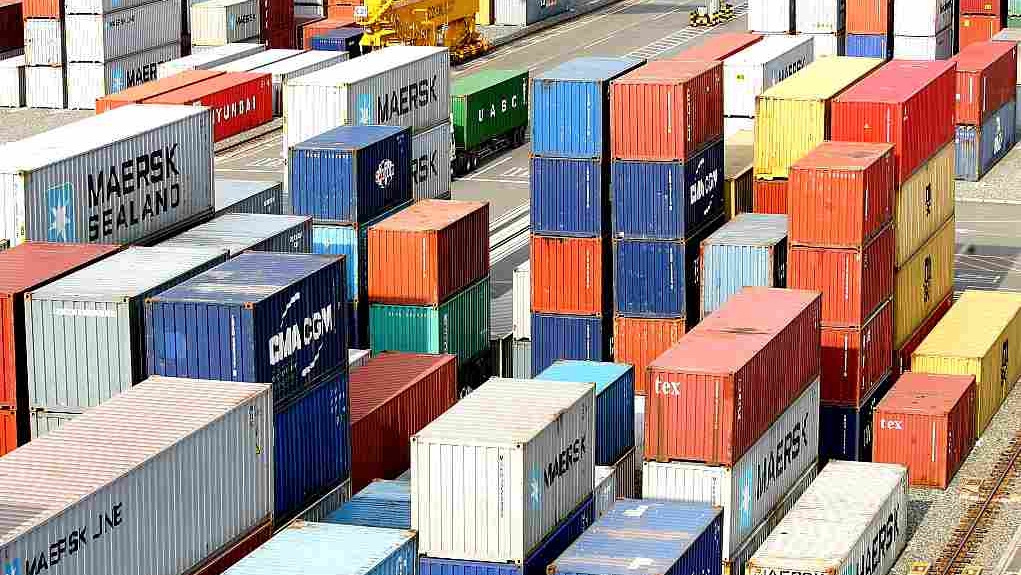
South Korea's economy contracted by 0.3 percent in the first three months of this year, marking the biggest slump in more than a decade as exports continued to fall.
The quarter-on-quarter contraction came after growth of one percent in the last three months of 2018, and will put further pressure on President Moon Jae-in and his plans to tackle high unemployment and restore economic growth.
According to data published by the Bank of Korea, exports in the first quarter slumped by 2.6 percent as demand for electronic components and products continued to fall.
Data suggested authorities need to address a major downturn in investor confidence, as capital investment fell by 10.8 percent to a level not seen since 1998.
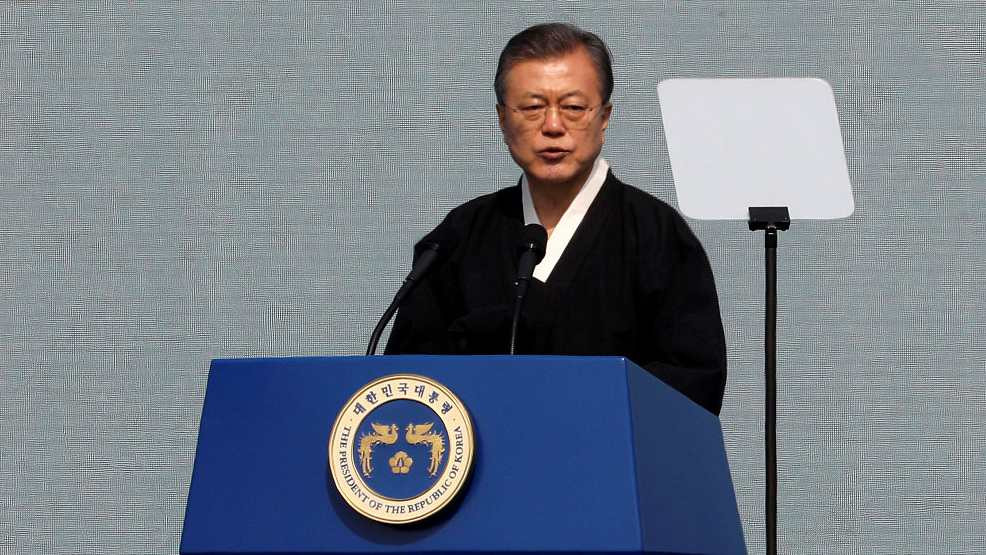
South Korean President Moon Jae-in. /VCG Photo
South Korean President Moon Jae-in. /VCG Photo
South Korea's central bank largely ignored economic jitters throughout 2018 by refusing to lower interest rates or implement monetary easing policies. However, this latest data will likely increase pressure on the bank to announce some form of economic stimulus.
Prior to the release of the quarterly data, Seoul announced on Wednesday it would spend an extra 6.7 trillion won (5.9 billion U.S. dollars) as a supplementary budget in order to boost employment and exports.
The South Korean Finance Ministry said that 4.5 trillion won would be spent on job creation and export finance, while the remainder would be spent on tackling air pollution in the country.
Unemployment hit a nine-year high in January, with 4.4 percent of South Koreans out of work. The supplementary budget announced earlier this week would look to create 73,000 new jobs, according to Finance Minister Hong Nam-ki.
President Moon has struggled to placate young South Koreans with his economic policies. In 2018, the government set in motion moves to gradually increase the minimum wage by 29 percent over two years, a measure which has in turn hit employment, with small businesses reluctant to take on more workers.
In 2018, youth unemployment hit a 19-year high, with more people aged 60 and over in the workforce than people in their twenties.