
Business
12:19, 29-May-2018
Malaysian PM to drop KL-Singapore rail link, renegotiate other projects
 ["other","Malaysia"]
Share







Copied
02:21
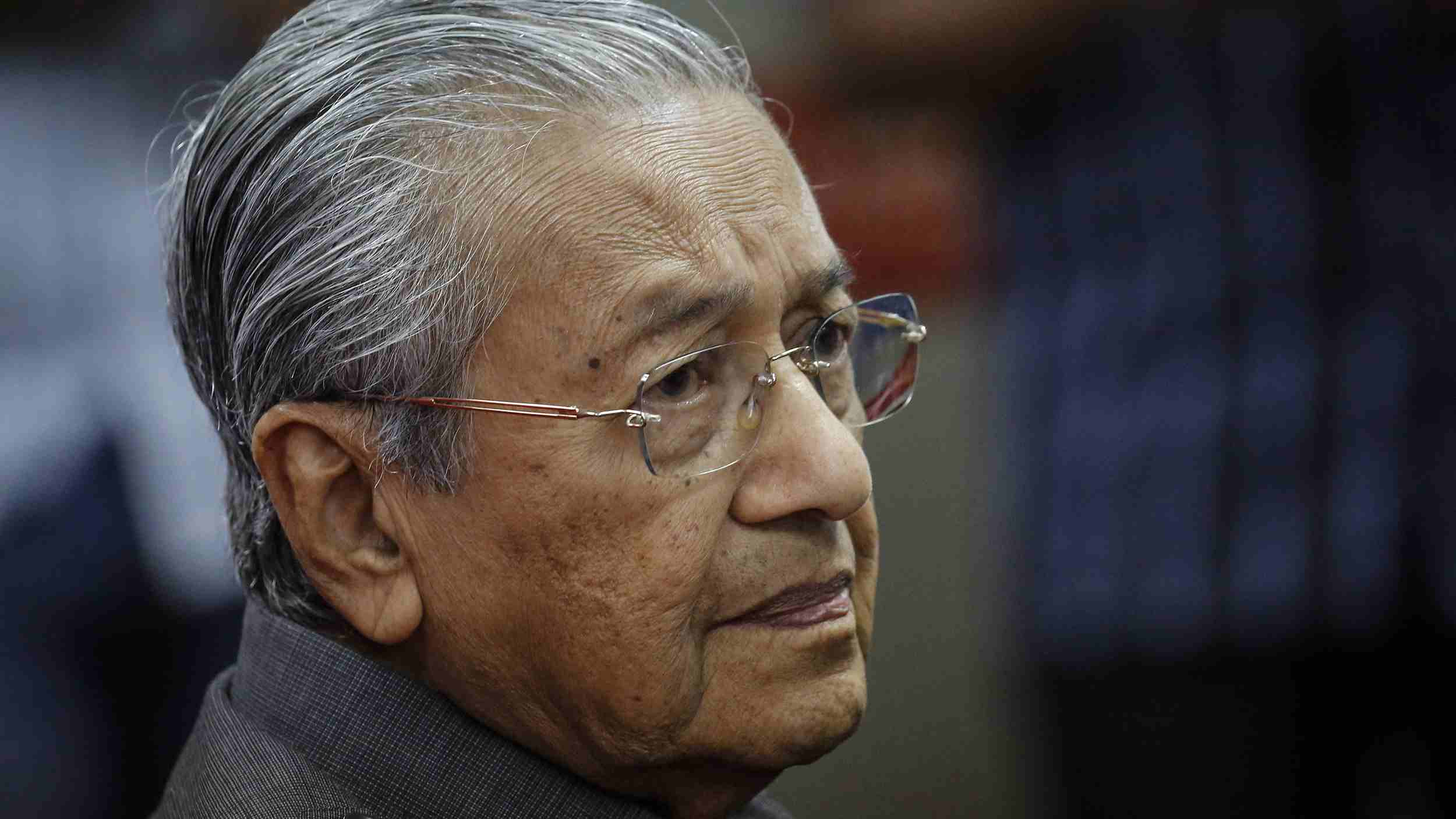
Malaysian Prime Minister Mahathir Mohamad has confirmed plans for a high-speed rail link with Singapore will be dropped, as the newly elected leader looks to tackle the country’s national debt ahead of a review of other major infrastructure deals.
Mahathir, who was sworn in as prime minister earlier this month after a shock election victory, said in an interview with the Financial Times, “We need to do away with some of the unnecessary projects, for example, the high-speed rail, which is going to cost us 110 billion ringgits (28 billion US dollars) and will not earn us a single cent. That will be dropped.”
The rail project had been slated for completion by 2026 after an agreement was signed in 2016. It had attracted construction bids from Chinese, Japanese and South Korean rail firms.
Mahathir told the FT that his government would “have to talk with Singapore about dropping” the project, despite several analysts claiming there is a strong demand for the rail link, given the high volume of traffic between the two countries.
The existing rail link between Kuala Lumpur and Singapore takes more than five hours – the proposed high-speed rail link would have cut that to 90 minutes.
A report released earlier this month by aviation consultancy OAG showed the flight route between the two cities was the world’s busiest, with 30,537 flights taking off between March 2017 and February this year.
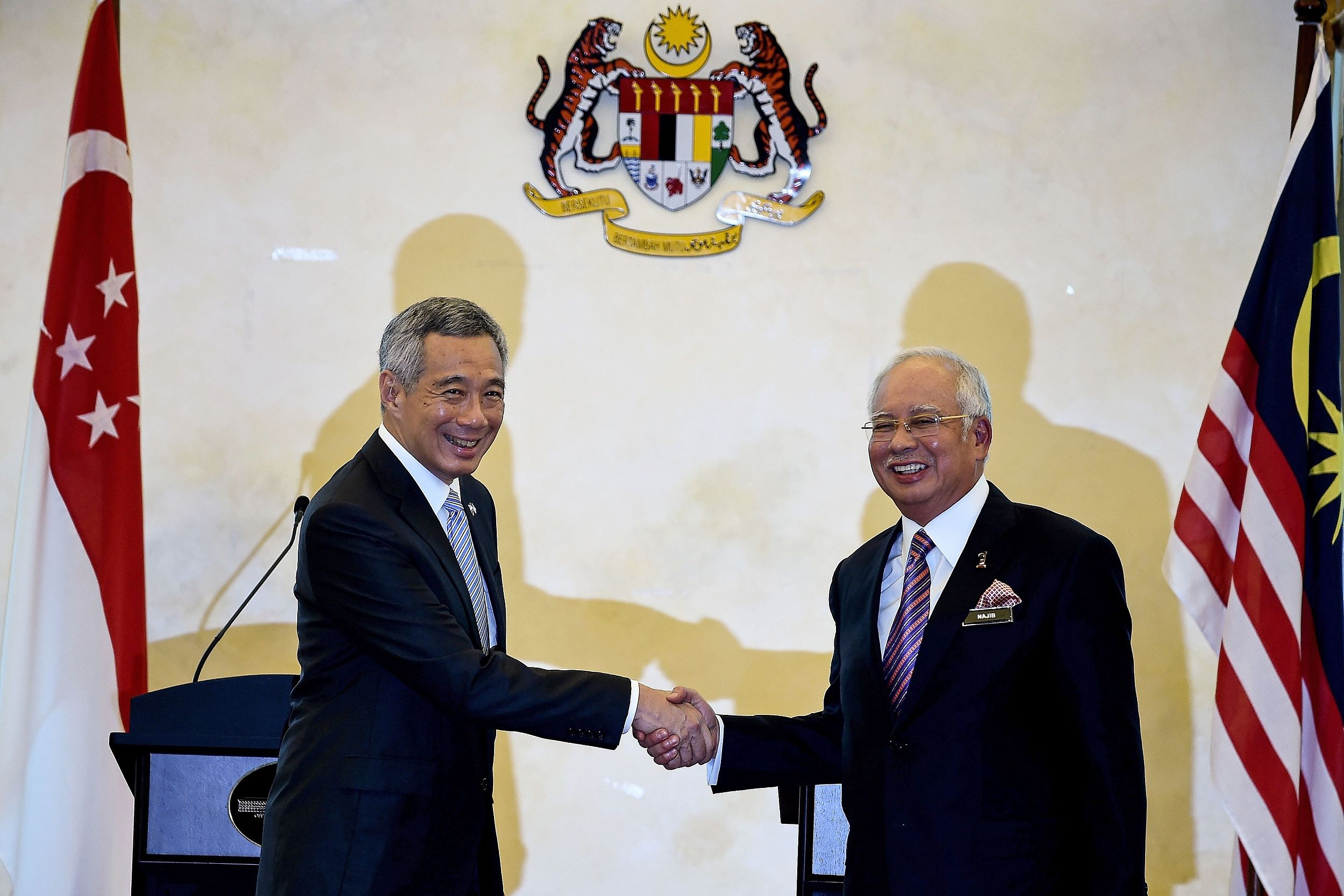
December 2016: Singapore's Prime Minister Lee Hsien Loong (L) shakes hands with then Malaysian Prime Minister Najib Razak following an official signing ceremony for the high-speed rail link. /VCG Photo
December 2016: Singapore's Prime Minister Lee Hsien Loong (L) shakes hands with then Malaysian Prime Minister Najib Razak following an official signing ceremony for the high-speed rail link. /VCG Photo
However, with Malaysia facing more than 270 billion US dollars’ worth of debt, Mahathir has promised to prioritize the economy to prevent the country from “being declared bankrupt.”
Other proposed measures to cut the deficit include plans to cut 17,000 civil servants, as well as a renegotiation of other major infrastructure projects.
Mahathir has said that he would look to renegotiate the terms of the East Coast Rail Link, a 13-billion-US-dollar project agreed in November 2016 with the China Communications Construction Company.
In the interview, Mahathir called many of Malaysia’s proposed infrastructure projects “not necessary at all,” dismissing them as vanity projects aimed at boosting the profile of predecessor Najib Razak.
Razak is currently being investigated for corruption related to the 1MDB scandal.
Mahathir, who is 92, has promised to step down within two years, and vowed to “try to accomplish as much as possible in the short time given to me.”
The prime minister’s skepticism towards the value of major infrastructure projects has divided opinion, with an investor note by Capital Economics saying on Monday if “projects are cancelled, investment growth would drop sharply, and GDP growth would likely slow.”
However, given Malaysia’s current “good infrastructure” and poor fiscal situation, Capital Economics warned some of the proposed projects being looked at by Mahathir could lead to “a rise in inflation” if the economy overheats.