
Opinions
11:27, 07-Aug-2018
Expert: Iran must try to stay in nuclear deal despite rising tensions with US
Updated
10:29, 10-Aug-2018
 ["china"]
Share







Copied
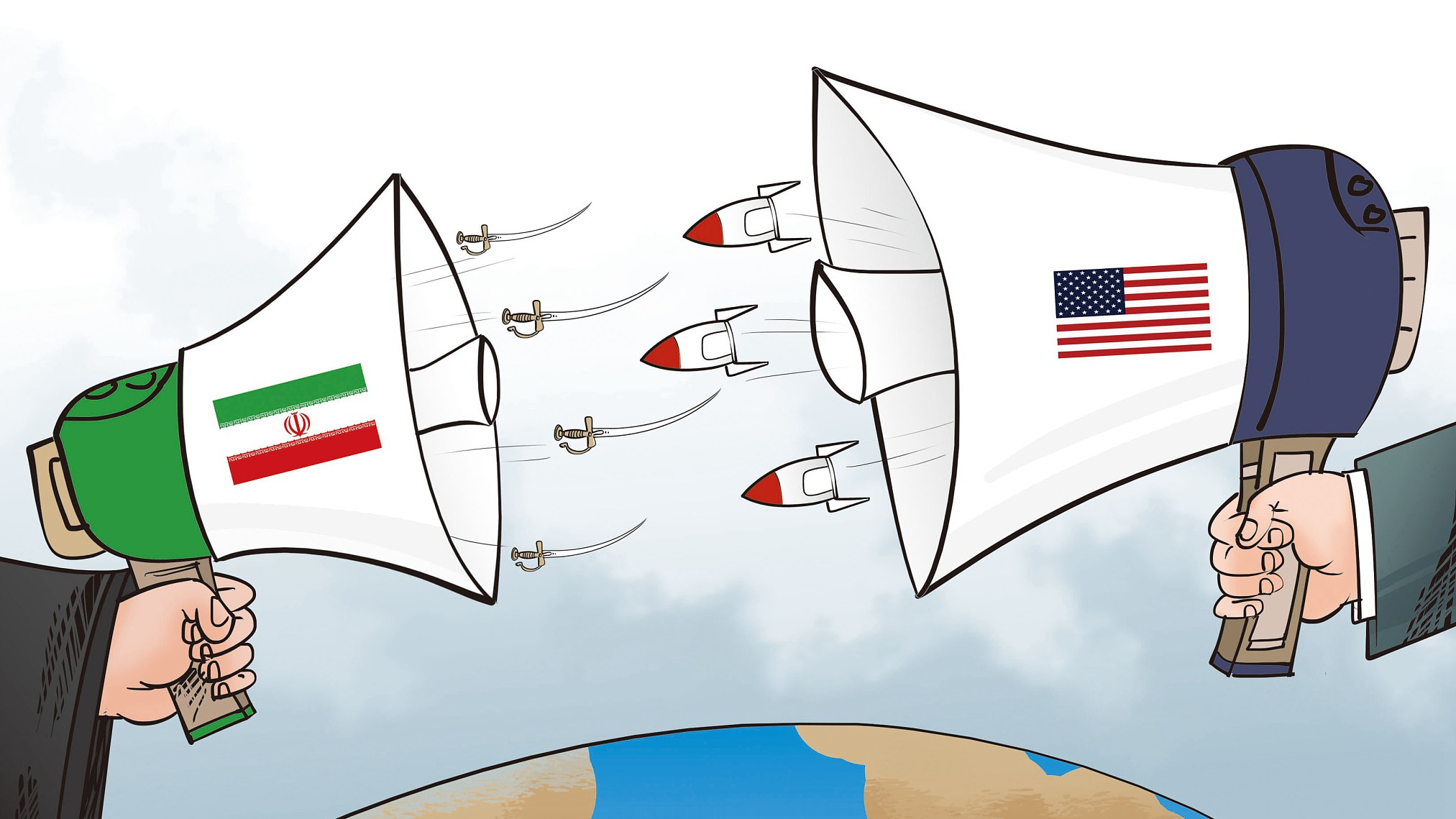
Tensions between Washington and Tehran are rising while the US resumes sanctions on Iran this week. The so-called snapback sanctions, due to come into force early on Tuesday, would target Iranian purchases of US dollars, metals trading, coal, industrial-related software and its auto sector.
The US is also planning to re-impose one more ban in November – the ban on Iran’s major exports of oil. That may serve as the last straw to break the camel’s back.
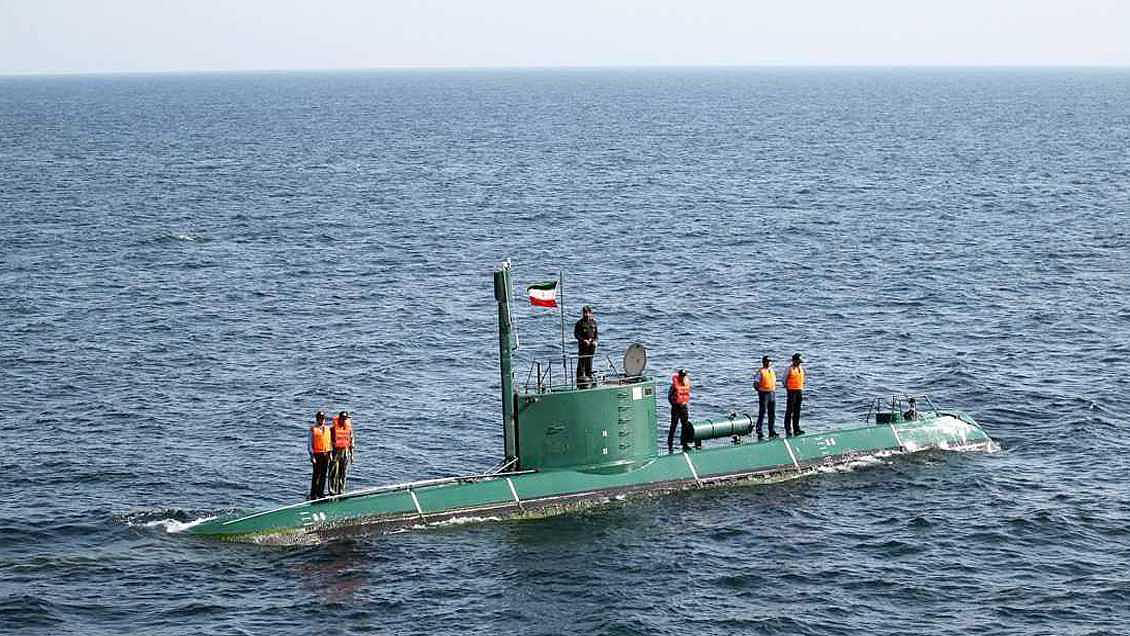
In July, Iranian President Hassan Rouhani threatened to shut the strategic Strait of Hormuz if its oil exports were strangled. One-fifth of the world’s oil passes in tankers through the strait. And just last week, Iran’s elite Revolutionary Guards, whose forces patrol the Strait of Hormuz, staged a massive naval drill there.
Experts say the military operations aimed to show that Iran has the ability to close key international waterways, though it’s not likely to do so now.
“I think it’s just to show Iran’s determination and confidence to safeguard its own independence and sovereignty against US sanctions,” said Wang Jin, research fellow with China’s Northwest University based in Xi’an.
“Closing the Strait of Hormuz, which is of strategic importance, might provoke hostilities between Iran and the rest of the world,” he added.
Wang continued by saying that Iran’s most urgent need is to find a way to maintain the historic JCPOA pact with the remaining signatories, including the EU, China and Russia.
01:23
But things may get more complicated. The Trump administration has threatened to impose sanctions against governments that don’t cut imports of Iranian oil to “zero” by Nov. 4.
The US threat has met with resistance. European foreign ministers say they "deeply regret" the re-imposition of US sanctions on Iran.
Asked how other countries may react to the US threat, Wang said countries may seek either immunity or revenge against Washington’s possible sanctions.
European companies have been trying to get immunity from the US, though no exception has been granted.
“On the other hand, we may see hard ways or measures by the international society… that is to [seek] revenge [against] the US sanctions,” Wang said.
01:26
But for the US, its unilateral sanctions can’t be justified, Wang said. “It’s a very clear challenge to international laws and regulations.”